So, there are two examples in front of Nepal now; one is Pakistan, and another Bangladesh, which one will they choose? writes Swadesh Roy for South Asia Monitor


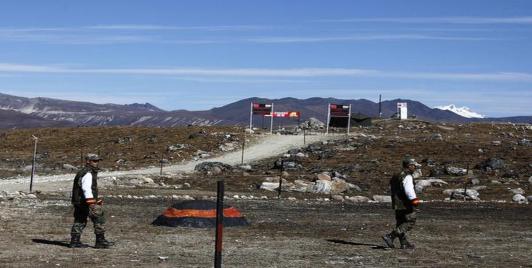
The Indian military views no disengagement in Arunachal Pradesh as part of a wider strategic recalibration, prompting India to match Chinese force rebalancing by shifting strike corps and resources equally across both northern and eastern fronts.
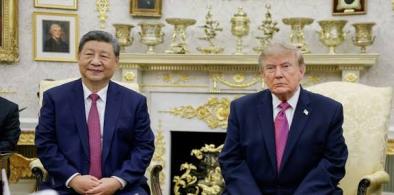
BRICS is acquiring greater visibility, while countries of the Global South continue to seek a greater voice in the international system. The desire for a more multipolar world is becoming increasingly evident. Over the next decade, this could produce a geopolitical configuration rather different from the one we have known since the end of the Cold War.
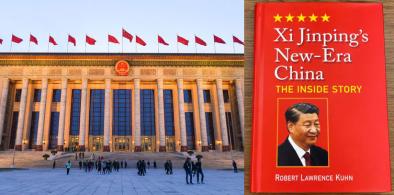
Kuhn says if the first half of this century is being defined by USA-China relations, the second half may well be defined by India-China relations and, in the New World Order, "India-China relations will likely become the most pivotal.....for the entire world".
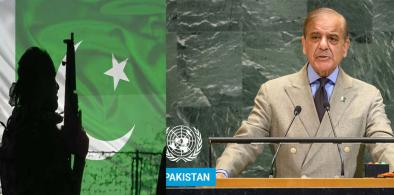
The strategic equation has irrevocably shifted. Pakistan’s long-standing attempt to separate itself from its proxies has failed, replaced by the reality of a state struggling with the infrastructure it created. As these groups operate with increasing autonomy, the world community is left with a clear conclusion
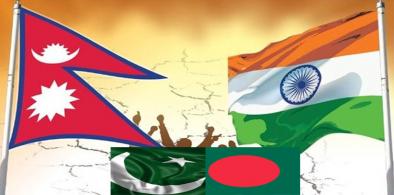
So, there are two examples in front of Nepal now; one is Pakistan, and another Bangladesh, which one will they choose? writes Swadesh Roy for South Asia Monitor

Trump needs to be seen as doing something to save the economy and American jobs. H-1B, which has been a bogeyman for the protectionists and economic nationalists, is an easy target during this downturn, writes Frank Islam for South Asia Monitor
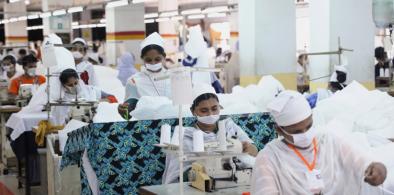
The Bangladesh government is trying its best to restore jobs abroad for the millions of migrant workers so that the large remittance flow continues, writes Dr. Mohammad Rezaul Karim for South Asia Monitor

India needs Modi to rediscover his inner ecumenical soul. To do that, Modi must become the leading proponent of and advocate for a “unifying nationalism,” writes Tom de Boor and Ed Crego for South Asia Monitor
We are approaching the 65th anniversary of the Bandung Principles this year and 60th anniversary of the NAM in 2021. There is a renewed call in the NAM communique for the revitalization and strengthening of NAM, writes Sayantan Bandyopadhyay for South Asia Monitor
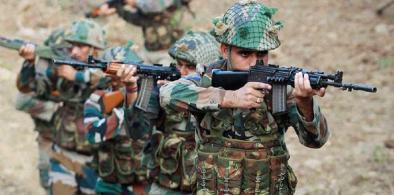
This is a defining moment in the history of India and its actions could well dictate its standing in the world, writes Lt Gen PR Kumar (retd) for South Asia Monitor
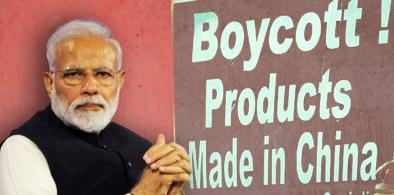
Can orchestrated symbolism of smashing Chinese TVs create a mass movement when no domestic alternatives are available to our extremely price-sensitive consumers? writes Brig Deepak Sethi (retd) for South Asia Monitor
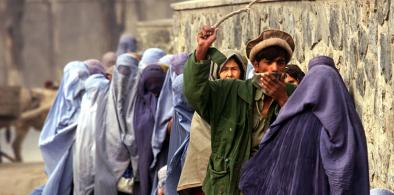
The February 29, 2020 deal between the US and the Taliban could pave the way for a peace that Afghans urgently pursue. But, then again there are huge risks for women’s rights in this process, as the Taliban remain deeply misogynistic, writes Dr. Sanchita Bhattacharya for South Asia Monitor
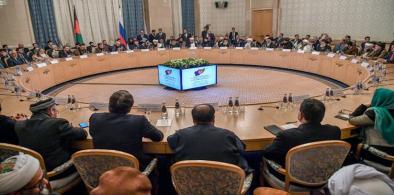
There are reports that the US will withdraw its forces from Afghanistan before the timeline. This will have bad consequences for the security of Afghanistan, the region, and the world, writes Mohamad Mosa Ahmadzai for South Asia Monitor
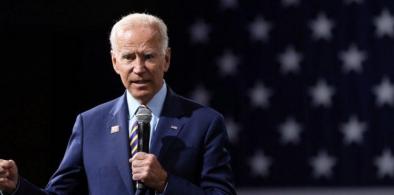
Of an estimated 3.5 million-plus Indian American community, about 70 percent are said to be the vote bank of Democrats, a number that the Biden campaign would not want to trifle with, writes Dr. Sridhar Krishnaswami for South Asia Monitor

Cross-border marriages, i.e., matrimony between Nepal's son/daughter and India’s son/daughter are very common in India's bordering districts of Uttar Pradesh and Bihar, writes Jivesh Jha for South Asia Monitor
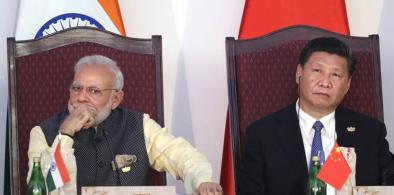
India needs to consolidate its relationship with the immediate neighbors by resolving the pending issues, particularly, the issue of immigration with Bangladesh and territorial disputes with Nepal, writes Dr. Arshad for South Asia Monitor

There has to be enough focus on the protection of children from sexual abuse and parents, guardians, teachers and all those who are stakeholders in children’s welfare should be really aware of this aspect to ensure a safe and healthy childhood for our children during this time of coronavirus pandemic, writes Sonal Kellogg for South Asia Monitor

With Pakistan becoming the vassal state of China, China plans to extend the China-Pakistan Economic Corridor into Afghanistan, writes Lt Gen P. C. Katoch (Retd) for South Asia Monitor
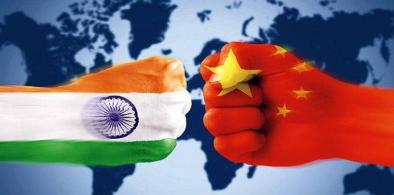
Let us accept this fact that India and China are potential rivals in the power hierarchy in South Asia and outside, writes Aneek Chatterjee for South Asia Monitor