Rao qualifies in more ways than one to be conferred with the nation's highest civilian award, the Bharat Ratna, which has become a political reward in recent years, writes C Uday Bhaskar for South Asia Monitor


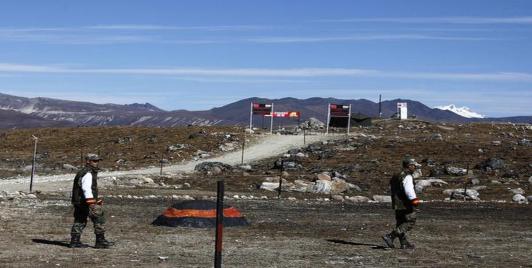
The Indian military views no disengagement in Arunachal Pradesh as part of a wider strategic recalibration, prompting India to match Chinese force rebalancing by shifting strike corps and resources equally across both northern and eastern fronts.
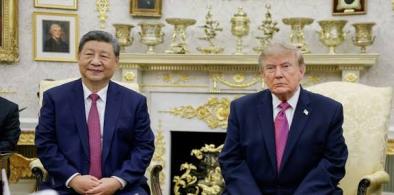
BRICS is acquiring greater visibility, while countries of the Global South continue to seek a greater voice in the international system. The desire for a more multipolar world is becoming increasingly evident. Over the next decade, this could produce a geopolitical configuration rather different from the one we have known since the end of the Cold War.
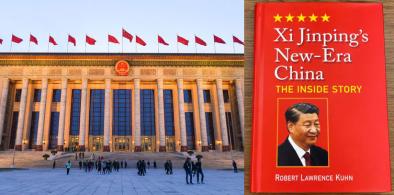
Kuhn says if the first half of this century is being defined by USA-China relations, the second half may well be defined by India-China relations and, in the New World Order, "India-China relations will likely become the most pivotal.....for the entire world".
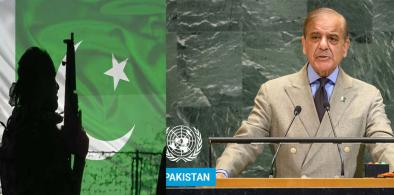
The strategic equation has irrevocably shifted. Pakistan’s long-standing attempt to separate itself from its proxies has failed, replaced by the reality of a state struggling with the infrastructure it created. As these groups operate with increasing autonomy, the world community is left with a clear conclusion
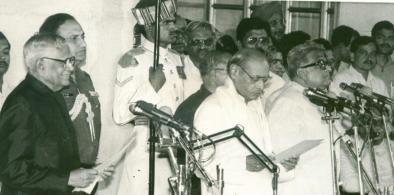
Rao qualifies in more ways than one to be conferred with the nation's highest civilian award, the Bharat Ratna, which has become a political reward in recent years, writes C Uday Bhaskar for South Asia Monitor

With deep societal, cultural, and religious links with our South Asian neighbors, the links and legacy coupled with the reach and charisma of Bollywood could be a win-win combination for regional collaboration in the art and craft of film making, if appropriated thoughtfully and strategically, writes Ram Krishna Sinha for South Asia Monitor
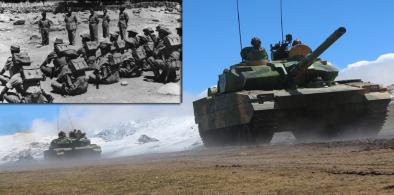
In the current scenario, although India being a peaceful country does not want war with anyone, especially with China, India has developed infrastructure at the borders, strengthened its defence forces and has strategic relations with several countries, writes Jai Kumar Verma for South Asia Monitor
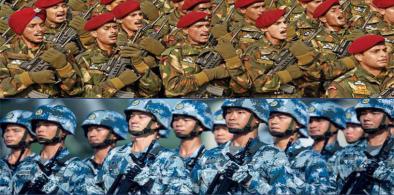
India's armed forces need to transform itself to deter and if necessary fight and win a two-front war, and ensure that both China and Pakistan will bear the consequences of military and national embarrassment, writes Lt Gen PR Kumar (retd) for South Asia Monitor
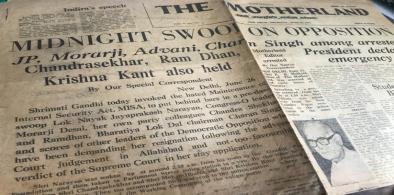
That fateful March 1977 election vindicated Indian democratic traditions and proved the triumph of freedom over bread, writes Tarun Basu for South Asia Monitor
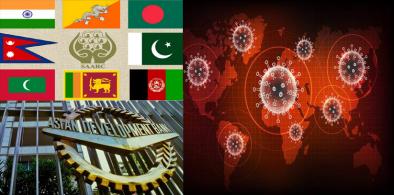
The distribution of the COVID-19 package across countries of the South Asian region shows that India has been one of the largest beneficiaries but the per capita package is lower than the Maldives and Bhutan due to the smaller population of these countries, writes Partha Pratim Mitra for South Asia Monitor
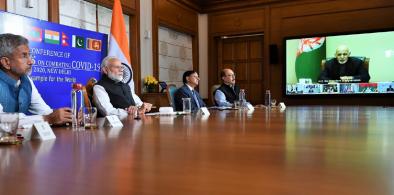
Although the COVID-19 crisis has provided an immediate context for Indian outreach, health has been for years on its foreign policy agenda and New Delhi has been quite active in promoting global health partnerships, writes Saroj Mohanty for South Asia Monitor
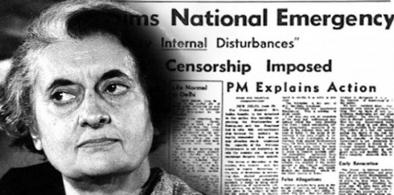
June 25, 2020, is the 45th anniversary of the infamous Emergency imposed on the country by Mrs. Gandhi, even while countrywide protests had erupted against her continuation in power, writes Vinod Aggarwal for South Asia Monitor
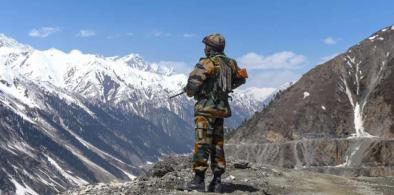
We need to step out of the stated and irrevocable positions taken, think out of the box, accept existing ground realities, create the right atmospherics amongst the people and international community and come up with a pragmatic solution, writes Lt Gen P R Kumar (retd) for South Asia Monitor

The gloves are indeed off. Now New Delhi must ensure that the Indian Army’s mountain corps is made fully ready to foil further Chinese military moves, writes Anil Bhat for South Asia Monitor
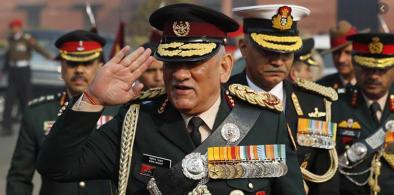
Potential Indian defence ministers will have to be qualified to carry out the duties and responsibilities of that office effectively. This will automatically generate a culture of strategic thinking in the political rank and file, writes Lt Gen (Dr) Yash Malhotra (retd) for South Asia Monitor
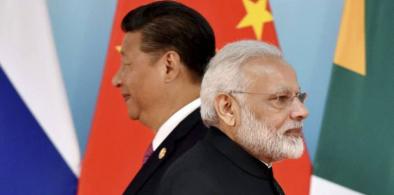
The Chinese are extremely wary and suspicious of India's growing closeness with the US and feel that the US was seeking to "draw a line" around China, writes Tarun Basu for South Asia Monitor
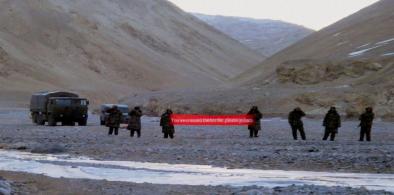
China’s message to India is loud and clear that it has absolutely no intention to withdraw soon. It has also proved that the collusive support of China and Pakistan to each other against India has been translated into reality, writes Lt Gen Rameshwar Roy (retd) for South Asia Monitor
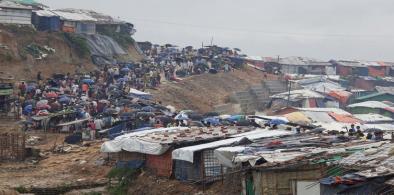
Since Bangladesh is among the lowest testing countries, Rohingyas living in these makeshift camps are largely deprived of testing for COVID-19, writes Shanjida Shahab Uddin for South Asia Monitor
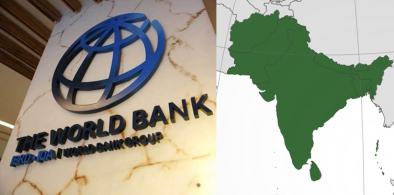
Experts feel that the outbreak of the COVID-19 pandemic has brought about new opportunities for regional cooperation in South Asia with the setting up of an emergency fund of $10 million to fight the pandemic with India's initiative, writes Partha Pratim Mitra for South Asia Monitor