
Gulf War Strains Bangladesh's Economic Fragility

Gulf War Strains Bangladesh's Economic Fragility, Test for New Government

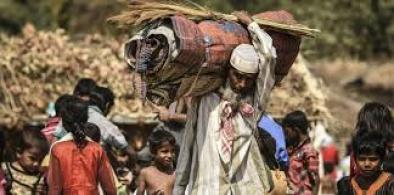
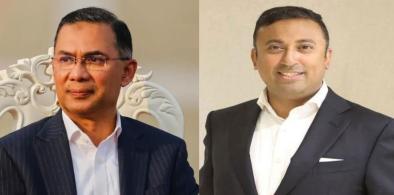
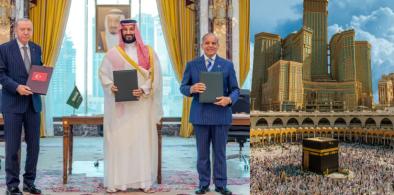
The current war has exposed Bangladesh’s structural vulnerabilities: dependence on imported energy, fragile reserves, and narrow fiscal space. For the new government, the stakes are clear—stabilize fuel and food supplies now while building resilience through diversified energy, broader exports, and stronger social protection. Wars in the Gulf may be fought thousands of miles away, but their economic shockwaves reach Bangladesh within days. In the end, the crisis will be felt in three simple pressures shaping everyday life: oil prices, food costs, and migrant jobs.

Re-imagining Pakistan’s Human Capital Crisis: It Must Dismantle Policy Structures That Serve Elite Interests

This crisis did not emerge overnight. It is a product of neglecting the foundational capacity to invest in human capital, where Pakistan hardly puts less than 2% of its national GDP on human capital factors. Meanwhile, the regional peers like Bangladesh and India invest more in education and health, and Pakistan is still trapped in a cycle of short-term fiscal thinking, political instability, and elite capture that is systematically hollowing out the nation’s potential to rise and grow.

The Delhi Tightrope: Can India Lead BRICS without Triggering a Trumpian Trade War?

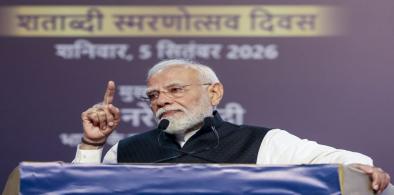
In 2026, the “strategic autonomy” that we so often discuss must evolve from a defensive crouch to a balanced offensive infrastructure play. India’s success will be measured by its ability to convince the Trump administration that a stable, digitally-sovereign BRICS is actually a better trade partner than a chaotic, bankrupt one.

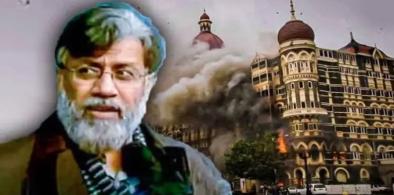
Bangladesh’s International Crimes Tribunal Under Fire: Serving Justice or Political Retribution?

Yunus created a suffocating atmosphere in Bangladesh by pushing the country towards the fate of a Caliphate, threatening the nation’s Bengali soul. Simultaneously, he weaponized the ICT and turned it into an instrument of targeting Sheikh Hasina by appointing Jamaat-e-Islami leaders into key positions in it. As a result, Hasina was handed death penalty in two cases, while she faces hundreds of murder charges—most of which were lodged by the activists of Bangladesh Nationalist Party (BNP) and Jamaat. 

More on Spotlight

India needs more operational reforms in its defence strategy

The military is trained to give advice based on professional considerations. This is for the good of the nation and should be appreciated, even if not in consonance with the thinking of higher-ups. A ‘Yes Minister' type of general/admiral/air marshal, who may become a favourite of the government in power, will be a danger to the nation, as happened in 1962. 

China will continue to loom large in South Asia's growth calculus; remains largest trading partner of India

According to information available from the Embassy of India, Beijing more than 100 Chinese companies have established offices/operations in India. Many large Chinese state-owned companies in the field of machinery and infrastructure construction have won projects in India and have opened project offices in India. 

What the results of Elections India 2024 are telling us

The last ten years of BJP rule in the country have exacerbated social tensions. All sections of Indian society need reassurance not for the enjoyment of special privileges, except that which is provided in the Constitution, but in each citizen being assured of freedom from economic, social, or political discrimination on whatever ground. Otherwise, Indian society is faced with fractures which cannot bode well for the lasting unity that the country was born to. This is a challenge for the incoming government.

Modi's third term offers unique opportunity to revitalize India-Bangladesh ties

As India assumes a more assertive role in regional and global affairs, it may look to Bangladesh for geopolitical support on critical matters such as maritime security in the Bay of Bengal and countering external influences. By aligning their interests and working together on these fronts, India and Bangladesh can further strengthen their partnership and contribute to regional stability and prosperity.

Politics and governance in post-election India: Will a new coalition government deliver?

The panorama of the political landscape will change in as much that the BJP as a party may be more in focus than the persona of PM Modi. BJP, while keeping progressive policies and development on track, should use this opportunity to emerge from being a Modi-centric party.

Deepening Russia-China ties will impact South Asian geopolitics; India needs to remain vigilant

China, however, continues with its efforts to restrict India in the South Asian region. Pakistan is virtually China’s colony and in recent years China has redoubled its infamous endeavours to rope in Bangladesh in its area of influence. 

Hasina’s India visit to attend Modi’s inauguration underscores significance of Dhaka-Delhi ties

The partnership between India and Bangladesh may get a lot of attention since it demonstrates a dynamic and evolving collaboration that goes beyond basic infrastructural assistance. A healthy and stable relationship serves both countries' interests and promotes peace and prosperity both regionally and globally.

Will the general elections ease the bloodshed in Manipur?

It is therefore no surprise that in the recent general elections the people of Manipur voted for Congress for all three Lok Sabha seats. This was also because the Modi government kept painting a rosy picture of normalcy in Manipur and the prime minister, who is generally omnipresent across India, did not visit Manipur even once or even mention it.

India’s voters send a sobering message to their leaders as democracy triumphs

The voters' message was widely seen to be against the "excesses" of the Modi era -- just like it was against Mrs Gandhi 47 years ago.

Bangladesh's stellar role in UN peacekeeping must not be undermined

Bangladesh's journey in UN peacekeeping stands as a testament to unwavering dedication, professionalism, and sacrifice. The nation's commitment to global peace and security is evident in its consistent troop deployments and active participation in the international discourse on peacekeeping.

India's election seen as a moral defeat for Modi despite his alliance’s victory

In many ways, once the final figures are certified, the 2024 election will be remembered as one where India’s hundreds of millions of ordinary people, a large percentage of them in grave economic distress, voted to create a stronger opposition of the kind they would like against an out-of-control prime minister.

India should not shy away from public debate on religion

India is the origin of Sanatana Dharma (later Hinduism) philosophy, which also gave birth to Jainism, Buddhism and Sikhism. India, since millennia, has absorbed Zoroastrianism and Judaism. The other two Abrahamic religions Christianity and Islam came to the shores of India within decades of their founding in the Middle East and took root. With such pluralistic beliefs and one culture, India needs to debate religions to make societies aware of their evolution. 

Where comparisons end: How Hamas could be winning a war it should have lost

Interestingly, a comparison was drawn by Israel between the October 7 attack and the 26/11 Mumbai terror attack in the hope that there would be an unqualified understanding of Israel’s action. What this supposed comparison fails to recognize is that there is a significant difference. 

Saving the Great Indian Bustard: Landmark judgement can be leveraged for stronger climate change legislation

This judgment not only addresses the immediate concern of protecting the GIB but also provides a strategic framework for balancing ecological conservation with sustainable development.

Are migration fears driving curbs on international education? Pent-up demand will create new student markets

Apart from the substantial loss in revenue, international students, especially from India who are aspiring to study abroad, are seeking out alternative destinations that are more welcoming, such as Germany, Japan, Ireland, Israel and Russia.