The Integrated Guided Missile Development Programme that began in 1983 under the stewardship of Prime Minister Indira Gandhi is an island of Indian perseverance and quiet success, writes Cmde C. Uday Bhaskar (retd,) for South Asia Monitor


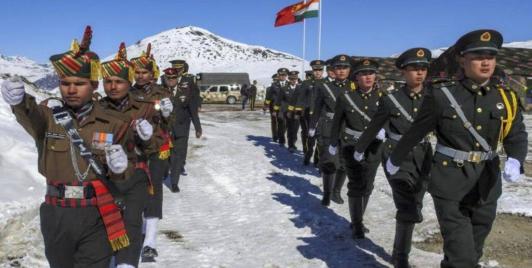
Hopes for Sino-Indian relations centre on a cautious diplomatic thaw, institutionalised border stability and renewed high-level engagement. Indian negotiators and defence planners are well aware that “trust must be verified”. While the activation of these eight points provides valuable channels to prevent an accidental kinetic clash on the ground, the real test of China’s sincerity will not be the joint statements signed in Beijing, but whether it ceases infrastructure build-ups and respects the historical patrolling rights of Indian troops along the LAC.
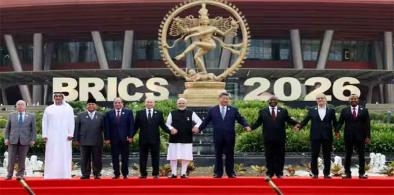
By removing the ‘Indo’ prefix from Indo-Pacific the US implicitly acknowledges that it no longer unilaterally defines the eastern strategic landscape. Regional organisations like BRICS continue to redefine the lexicon of ‘rules-based order’ to insulate themselves from western domination.
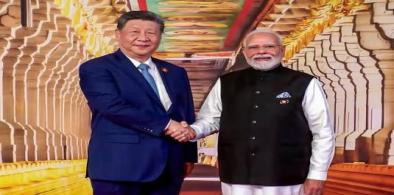
The bilateral discussion between Prime Minister Narendra Modi and Chinese President Xi Jinping on the sidelines of the 18th BRICS Summit indicates surge in mutual ties, particularly by way of trade. However, little can be expected by way of full settlement of the boundary dispute.
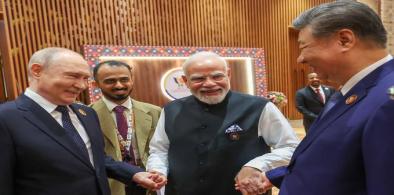
The timing of the EU announcement coincided with the BRICS+ Summit in New Delhi, creating speculation about whether the EU was seeking to reinforce its strategic engagement with India amid the growing influence of the BRICS grouping.
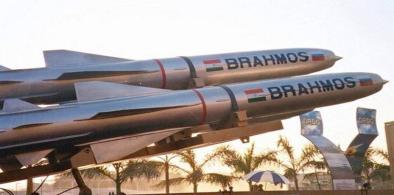
The Integrated Guided Missile Development Programme that began in 1983 under the stewardship of Prime Minister Indira Gandhi is an island of Indian perseverance and quiet success, writes Cmde C. Uday Bhaskar (retd,) for South Asia Monitor

While the Pakistani media is now asking its government to follow the Bangladesh model, it remains a sore point that Bangladesh was an exploited colony of Pakistan, writes Pathik Hasan for South Asia Monitor
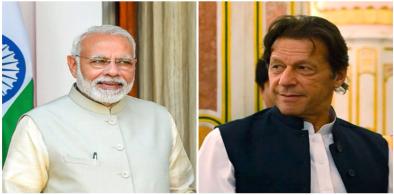
NGOs like South Asia Peace Action Network (SAPAN) and Aaghaz-e-Dosti deserves mention for relentlessly trying to end enmity and distrust between the two countries, writes Anondeeta Chakraborty for South Asia Monitor

As Sri Lanka descends deeper into economic chaos, the popularity of the President and his government have declined to levels never seen before for any political regime reaching midterm, writes Indika Hettiarachchi for South Asia Monitor
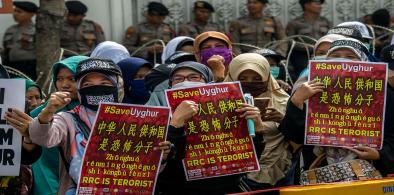
In the face of jihadi threats against it, it remains to be seen how China responds; or will it continue to fund and support nations like Pakistan that are the terror factories of many jihadist designs? writes Aparna Rawal for South Asia Monitor
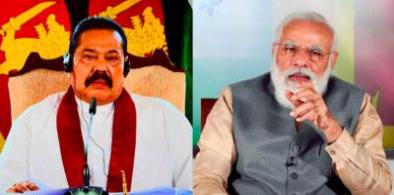
It is open to speculation what and how much India can do for the minority Tamils vis-à-vis Colombo, which is slowly again extending a hand of friendship to New Delhi after trying to prop up China as a counter, writes M R Narayan Swamy for South Asia Monitor
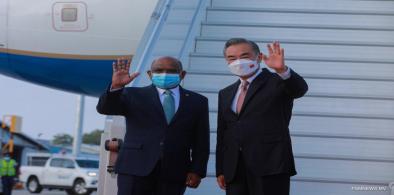
Beijing will try its level best to lure Maldives more into its debt trap and wean it away from India, writes Lt Gen P. C. Katoch (retd) for South Asia Monitor
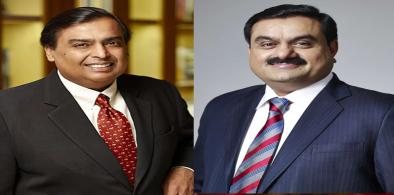
Scarcely a day passes without news of a big-ticket acquisition or investment by Reliance or Adani biting into every lucrative business venture in India and South Asia, writes N. Chandra Mohan for South Asia Monitor
Chances are that the churn in Afghanistan may end up singeing those who take an intrusive interest in its affairs, writes Amb Rajiv Dogra (retd) for South Asia Monitor

The values that are glorified today ironically are those that were always held anathema by classical Hindu society - majoritarianism, intolerance, hatred, and revanchism, writes Tarun Basu for South Asia Monitor
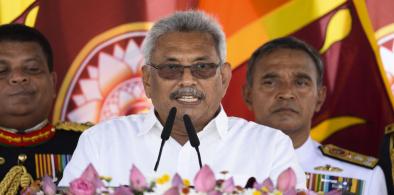
Amid shortages of even essential goods and runaway inflation, Sri Lankan President Gotabaya Rajapaksa’s image has taken a solid beating, writes P. Jayaram for South Asia Monitor
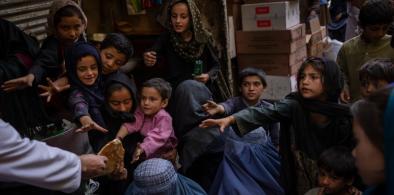
Bangladesh – which has in recent times extended loans to Sri Lanka and the Maldives – is also home to about 1.1 million forcibly displaced Rohingya refugees from Myanmar, writes Samina Akhter for South Asia Monitor
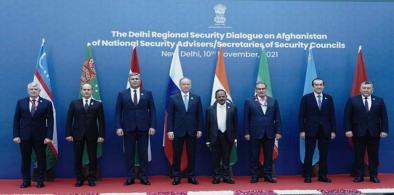
If Afghanistan does not witness a modicum of internal stability, adherence to human values and shuns terrorism of all hues, not only the region but beyond too will be impacted adversely, writes Lt Gen Kamal Davar (retd) for South Asia Monitor
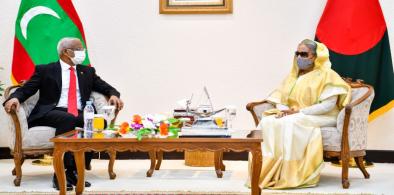
Hasina's visit to the Maldives is in keeping with Bangladesh's larger aspirations, writes Ozair Islam for South Asia Monitor

Fairness, sustainability and dialogue must be cornerstones of any climate change policy, not a dialogue bogged down by Westernized notions, write Nishtha Gupta and Aditya Matolli for South Asia Monitor