There was also a proposal for a plebiscite in Goa; Nehru stood the ground that Goa’s merger with India is non-negotiable, writes Ram Puniyani for South Asia Monitor


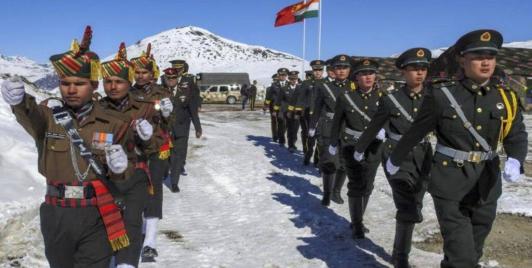
Hopes for Sino-Indian relations centre on a cautious diplomatic thaw, institutionalised border stability and renewed high-level engagement. Indian negotiators and defence planners are well aware that “trust must be verified”. While the activation of these eight points provides valuable channels to prevent an accidental kinetic clash on the ground, the real test of China’s sincerity will not be the joint statements signed in Beijing, but whether it ceases infrastructure build-ups and respects the historical patrolling rights of Indian troops along the LAC.
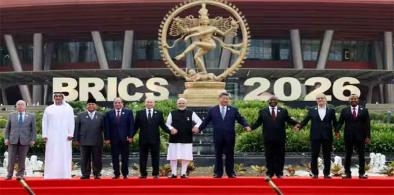
By removing the ‘Indo’ prefix from Indo-Pacific the US implicitly acknowledges that it no longer unilaterally defines the eastern strategic landscape. Regional organisations like BRICS continue to redefine the lexicon of ‘rules-based order’ to insulate themselves from western domination.
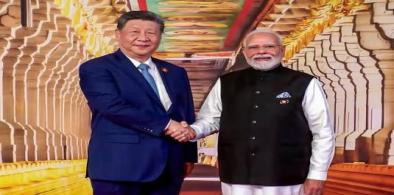
The bilateral discussion between Prime Minister Narendra Modi and Chinese President Xi Jinping on the sidelines of the 18th BRICS Summit indicates surge in mutual ties, particularly by way of trade. However, little can be expected by way of full settlement of the boundary dispute.
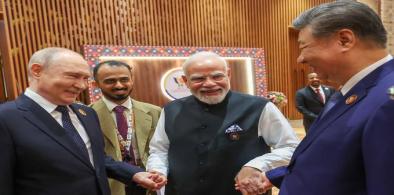
The timing of the EU announcement coincided with the BRICS+ Summit in New Delhi, creating speculation about whether the EU was seeking to reinforce its strategic engagement with India amid the growing influence of the BRICS grouping.
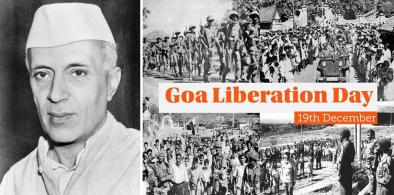
There was also a proposal for a plebiscite in Goa; Nehru stood the ground that Goa’s merger with India is non-negotiable, writes Ram Puniyani for South Asia Monitor
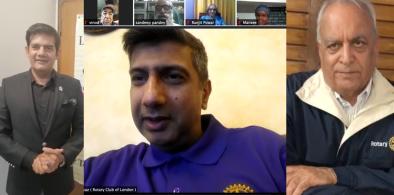
The upcoming meeting of Indian and Pakistani Rotary Club members and others at Kartarpur this week highlights Rotarian efforts to develop an Indus Peace Park near the Kartarpur entrance writes Beena Sarwar for South Asia Monitor

International communities should criminalize the intentional propagation of hatred towards a particular faith, write Monira Nazmi Jahan and Nusrat Jahan Nishat for South Asia Monitor
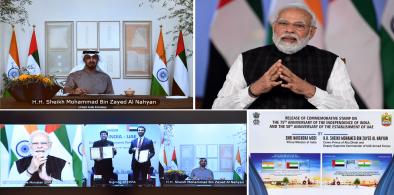
The CEPA’s larger significance is that it serves as a template for an FTA with the Gulf Cooperation Council (GCC) whose members include Saudi Arabia, Kuwait, Oman, Qatar and Bahrain, writes N. Chandra Mohan for South Asia Monitor
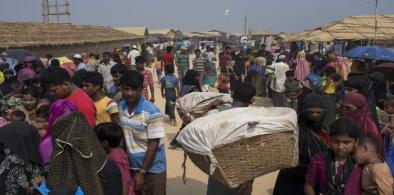
The junta will likely leverage the hearings to gain substantial de jure recognition as the legitimate government of Myanmar within other UN bodies and beyond, writes Parvej Siddique Bhuiyan for South Asia Monitor
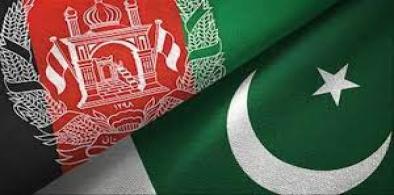
As of now, Pakistan’s much-sought ‘strategic depth’ with a friendly government in Afghanistan has proved elusive, writes Mahendra Ved for South Asia Monitor
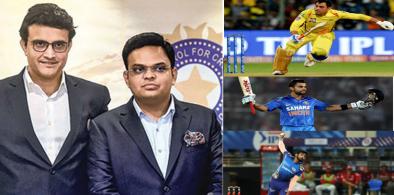
Millions of Indian cricket fans across the globe are the real foundation of the Indian cricket board's financial power, writes Qaiser Mohammad Ali for South Asia Monitor
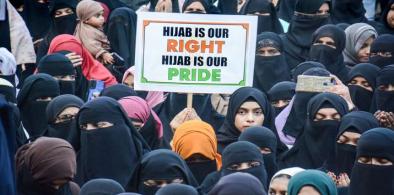
The Hindu rightwing gets its due provocation from Muslim communalism and extremism. Is there any role of Muslim communalists in fueling the hijab row?, writes Ram Puniyani for South Asia Monitor

Nepal will be permitted to export power to Bangladesh via India at a later time in order to fulfill the expanding energy demands of that country, writes Benedict B. George for South Asia Monitor
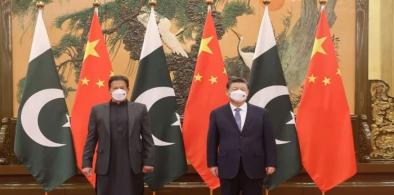
Russia is well aware of how Pakistan has been facilitating the movement of ISIS cadres from Iraq-Syria into northern Afghanistan at the behest of the US, writes Lt Gen P.C. Katoch (retd) for South Asia Monitor
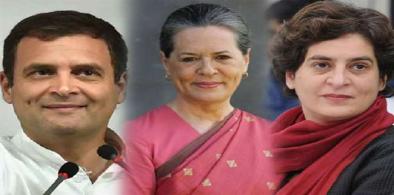
It takes no great political intelligence to point out that a tumultuous democracy like India desperately needs a credible national counter to Modi’s BJP, writes Mayank Chhaya for South Asia Monitor
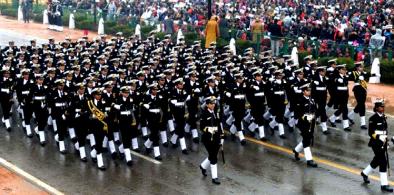
One major reason the Indian Army has not allowed women officers in fighting arms and would not like to do so is that it does not want them captured by the enemy, writes Col Anil Bhat (retd) for South Asia Monitor
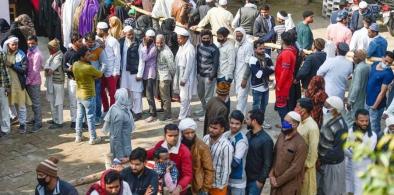
The recent trends in elections have shown undeniable evidence that women no longer remain passive voters, writes Shraddha Nand Bhatnagar for South Asia Monitor
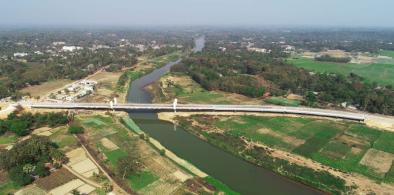
Connectivity and infrastructural development with Bangladesh will also open up new routes to India's Northeast, Bhutan and Nepal, writes Benedict B. George for South Asia Monitor
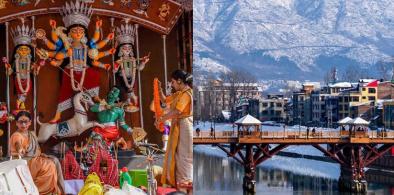
Such recognition by UNESCO, whether of Durga Puja or Srinagar as a Creative City, helps to underline that India’s culture is a living culture, writes Amb Bhaswati Mukherjee (retd) for South Asia Monitor