Numbers have defied easy recording, whether Lata sang 25,000 songs or 30,000, for an estimated 1,000 films, writes Mahendra Ved for South Asia Monitor


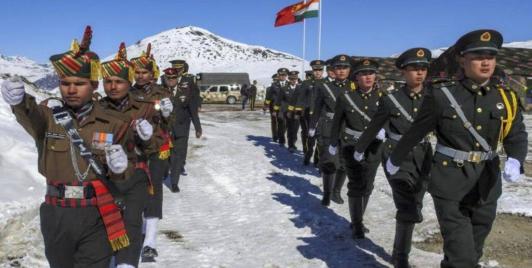
Hopes for Sino-Indian relations centre on a cautious diplomatic thaw, institutionalised border stability and renewed high-level engagement. Indian negotiators and defence planners are well aware that “trust must be verified”. While the activation of these eight points provides valuable channels to prevent an accidental kinetic clash on the ground, the real test of China’s sincerity will not be the joint statements signed in Beijing, but whether it ceases infrastructure build-ups and respects the historical patrolling rights of Indian troops along the LAC.
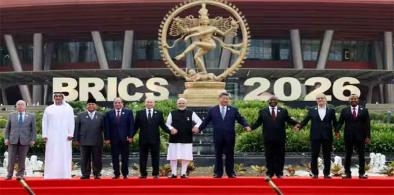
By removing the ‘Indo’ prefix from Indo-Pacific the US implicitly acknowledges that it no longer unilaterally defines the eastern strategic landscape. Regional organisations like BRICS continue to redefine the lexicon of ‘rules-based order’ to insulate themselves from western domination.
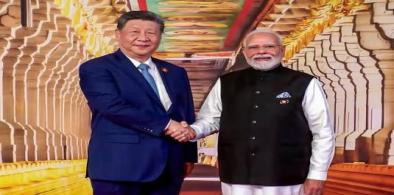
The bilateral discussion between Prime Minister Narendra Modi and Chinese President Xi Jinping on the sidelines of the 18th BRICS Summit indicates surge in mutual ties, particularly by way of trade. However, little can be expected by way of full settlement of the boundary dispute.
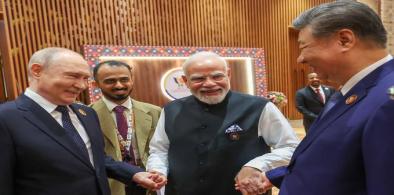
The timing of the EU announcement coincided with the BRICS+ Summit in New Delhi, creating speculation about whether the EU was seeking to reinforce its strategic engagement with India amid the growing influence of the BRICS grouping.

Numbers have defied easy recording, whether Lata sang 25,000 songs or 30,000, for an estimated 1,000 films, writes Mahendra Ved for South Asia Monitor
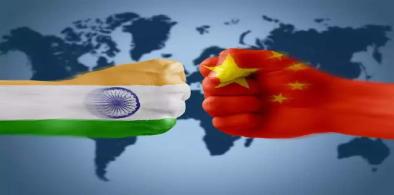
The fact remains that as long as India, Nepal and Bhutan do not protest Chinese aggressive moves because of political compulsions China will keep having its way, writes Lt Gen P. C. Katoch (retd.) for South Asia Monitor
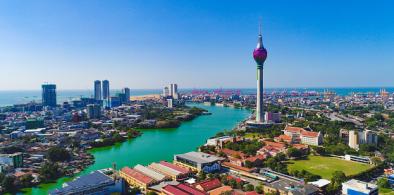
With heightened external geopolitical fissures in the region, balancing infrastructure diplomacy between China, India and the US is indeed a daunting challenge for Sri Lanka, writes Sugeeswara Senadhira for South Asia Monitor
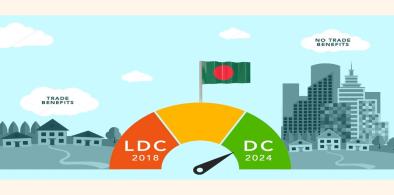
Although Bangladesh was a part of Pakistan, it has already surpassed Pakistan in almost all socio-cultural and economic indicators, writes Jebeda Chowdhury for South Asia Monitor

Bose was very clear that in independent India equal opportunities should be thrown open to all, irrespective of caste, creed or religion, writes Ram Puniyani for South Asia Monitor

What is the future of civil aviation and Air India? The immediate outlook is that it will take beyond 2022-23 to return to any semblance of pre-pandemic normalcy, writes N. Chandra Mohan for South Asia Monitor
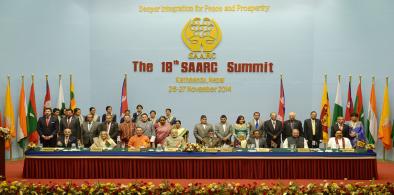
India with its huge numbers and relative political stability can play an influential role in the South Asian region, writes Nirupama Sekhri for South Asia Monitor
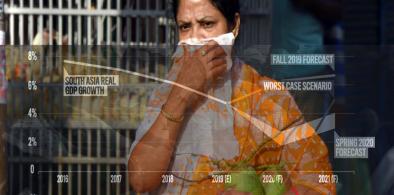
The pandemic is estimated to have caused 48-59 million people to become or remain poor in 2021 in South Asia, writes V.K. Varadarajan for South Asia Monitor
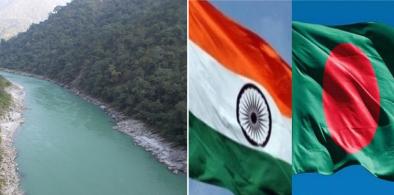
India should act quickly to reach an amicable solution to the Teesta dispute before Bangladesh embraces Chinese cooperation on the issue, writes Anup Sinha for South Asia Monitor
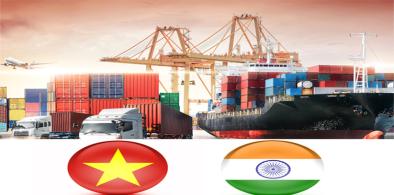
Even though Vietnam is reckoned as having an edge over India in the global supply chain, India’s demographic advantages override Vietnam, writes S. Majumder for South Asia Monitor
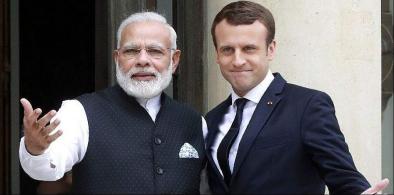
With a French Presidency, the strategic partnership between India and the EU could finally bloom to its full potential, writes Amb Bhaswati Mukherjee (retd.) for South Asia Monitor
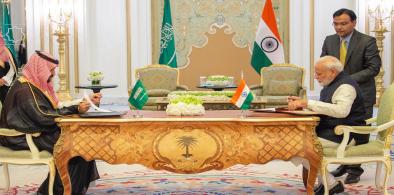
During a visit to India in 2019, the Saudi Crown Prince announced that the kingdom would be investing $100 billion in diversified sectors in India, writes N. Chandra Mohan for South Asia Monitor
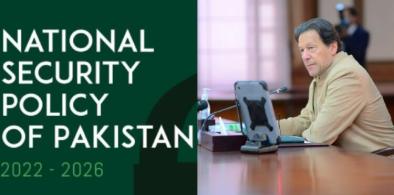
The NSP tosses a heads-I-win-tail-you-lose option for India; it announces its intent of seeking peace but leaves the onus on India, writes Mahendra Ved for South Asia Monitor
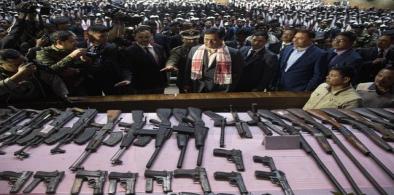
Using the Army to control insurgency in the Northeast has failed as a model, writes B.L. Vohra for South Asia Monitor

The US, Sri Lanka, India, the Maldives and others can work together with Bangladesh to deal with regional maritime problems, writes Jubeda Chowdhury for South Asia Monitor