Bhutan contributes little or zero to the climate crisis. Yet, it has not been justly rewarded for its noble and invaluable sacrifices, writes Rinchen Kinzang for South Asia Monitor


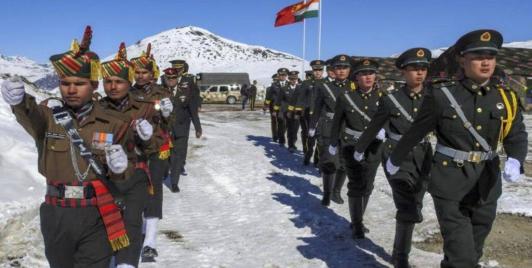
Hopes for Sino-Indian relations centre on a cautious diplomatic thaw, institutionalised border stability and renewed high-level engagement. Indian negotiators and defence planners are well aware that “trust must be verified”. While the activation of these eight points provides valuable channels to prevent an accidental kinetic clash on the ground, the real test of China’s sincerity will not be the joint statements signed in Beijing, but whether it ceases infrastructure build-ups and respects the historical patrolling rights of Indian troops along the LAC.
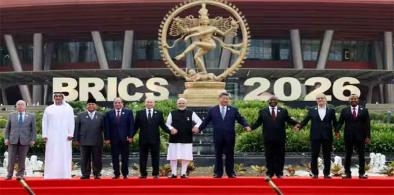
By removing the ‘Indo’ prefix from Indo-Pacific the US implicitly acknowledges that it no longer unilaterally defines the eastern strategic landscape. Regional organisations like BRICS continue to redefine the lexicon of ‘rules-based order’ to insulate themselves from western domination.
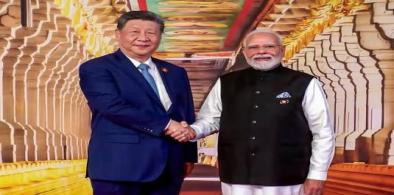
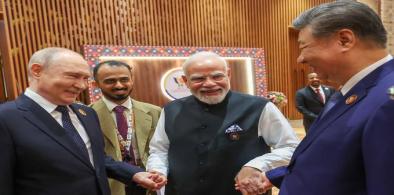
The bilateral discussion between Prime Minister Narendra Modi and Chinese President Xi Jinping on the sidelines of the 18th BRICS Summit indicates surge in mutual ties, particularly by way of trade. However, little can be expected by way of full settlement of the boundary dispute.
The timing of the EU announcement coincided with the BRICS+ Summit in New Delhi, creating speculation about whether the EU was seeking to reinforce its strategic engagement with India amid the growing influence of the BRICS grouping.
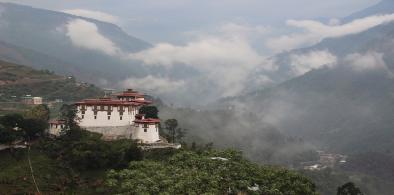
Bhutan contributes little or zero to the climate crisis. Yet, it has not been justly rewarded for its noble and invaluable sacrifices, writes Rinchen Kinzang for South Asia Monitor
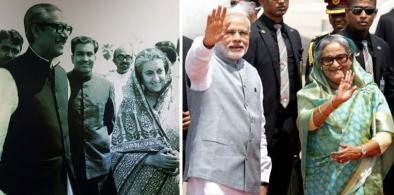
India and Bangladesh can show the world how neighbouring countries can become all-weather friends, writes Jubeda Chowdhury for South Asia Monitor
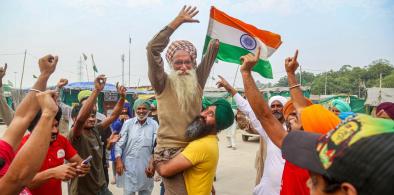
The repeal of the farm bill stretches the plight of poor farmers and hurts the potential growth of food processing in the country, writes S. Majumder for South Asia Monitor
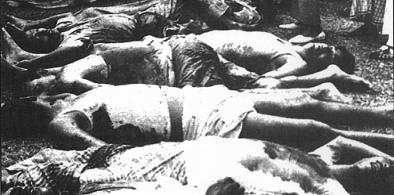
The 1971 massacre of innocents in to be Bangladesh by Pakistan was one of the most heinous and barbaric genocides in world history, writes Farabi Bin Zahir for South Asia Monitor
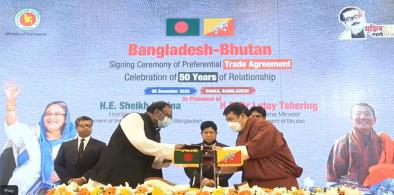
Sheikh Hasina and Lotay Tshering have agreed on building the necessary infrastructure to avail the maximum benefits of the PTA signed between Bangladesh and Bhutan, writes Pathik Hasan for South Asia Monitor
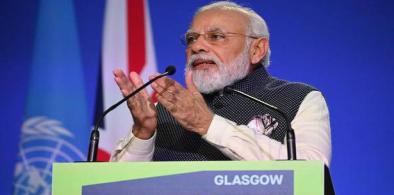
Carbon finance is expected to play a critical role in leveraging private sector finance for flourishing regional power trade between Bangladesh, Bhutan, India and Nepal, writes Partha Pratim Mitra for South Asia Monitor
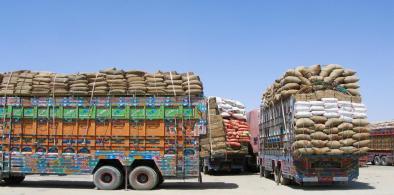
As Pakistan may play dirty with Indian aid to Afghanistan transiting its territory, India could consider the Iran route, writes Lt Gen P. C. Katoch (Retd) for South Asia Monitor

There’s no doubt we will see a growing number of Indians leading companies in America and around the world. And we hope that more of these leaders will be women, writes Raj L Gupta for South Asia Monitor
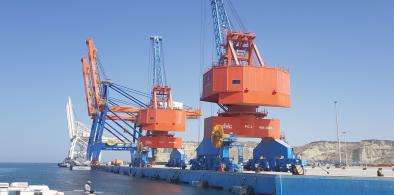
The success of the CPEC project, which is dubbed as a “game-changer” for the region, will be in question if the concerns of the people of Gwadar are not dealt with practically by the Pakistani establishment, writes Nizam Hassan for South Asia Monitor
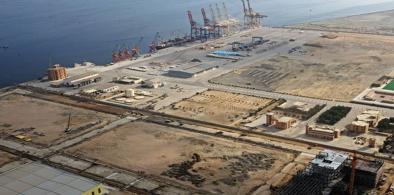
Disregarding Gwadar in particular and forsaking Balochistan in general is causing a sense of alienation among the people, writes Mannan Samad for South Asia Monitor
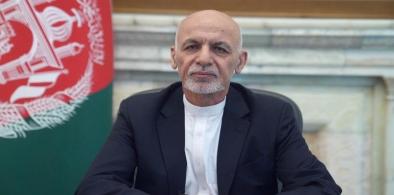
Many competent and high qualified individuals refused to work in Ghani's administration and quit their jobs in frustration, writes Qudratullah Karimi for South Asia Monitor

Technological domination by developed nations emerges as a new form of colonization as developing countries are the markets, writes Dr Mohammad Rezaul Karim for South Asia Monitor

Covid-19 led to disconnected efforts of governments, severely damaging global supply chain linkages, now leading to Omicron strain, writes Akshat Singh for South Asia Monitor
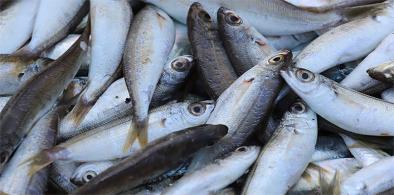
Overfishing by highly subsidized distant water fishing fleets threaten the low-income countries that depend on fish for food sovereignty, hurting livelihoods of fisherfolk of this region like India, Sri Lanka, Bangladesh and Pakistan, writes N. Chandra Mohan for South Asia Monitor
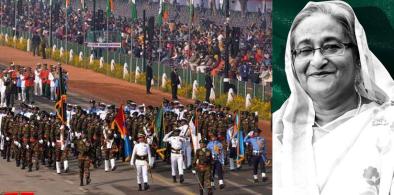
It remains unclear why no leader from India’s closest neighbour Bangladesh has ever been a chief guest at the Republic Day parade, writes Nilova Roy Chaudhury for South Asia Monitor