Indonesia sees Malaysia and Australia as key players, including Vietnam and the Philippines, in forming a stronger common cooperative platform in facing the challenges of China in the Indo-Pacific.


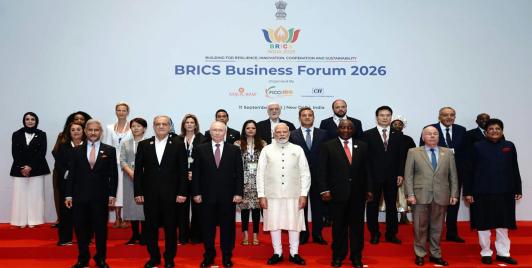
But the choice test applies to India as much as to the countries it hopes will follow its lead. If BRICS genuinely widens India's menu of markets, technology partners and financing sources without deepening its dependence on any one of them, it becomes a credible model for the rest of the Global South.
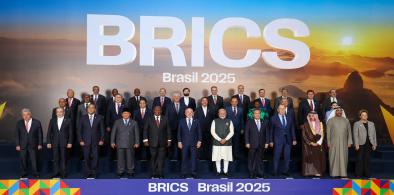
India’s stand for a dollar-based system is not a rejection of BRICS alignment or unity, but it is a determined choice to act in favour of self-interest like any other founding member. The key difference is India’s position has been the most transparent of all founding members rather than standing behind the collective rhetoric.
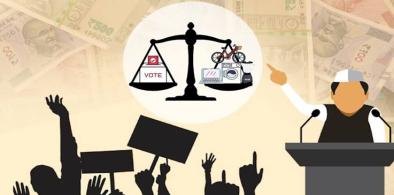
The evidence indicates that the increase in state borrowing over the past decade is best understood as the outcome of a changing fiscal federal system rather than simply an expansion of welfare politics.
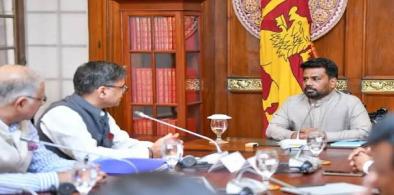
For India, delays in its strategic projects are not merely bureaucratic setbacks but a matter of national security. Colombo’s motives remain opaque, but for New Delhi, a presence in Sri Lanka’s North and East is non-negotiable.

Indonesia sees Malaysia and Australia as key players, including Vietnam and the Philippines, in forming a stronger common cooperative platform in facing the challenges of China in the Indo-Pacific.

The tunnel will link the Asian Highway network. Through this route, goods can be moved directly across the border between India, Bangladesh, and Myanmar.
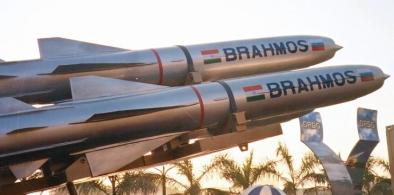
China’s English language publication Global Times had said these "observers" - euphemism for party apparatchiks - had warned New Delhi of “new barriers” in talks related to de-escalation if India were to go ahead with the transportation of its most advanced missile to the western side of the LAC. It was also reported that China was quite riled about widening of roads on the Indian side of the LAC for the purpose of transporting heavy equipment, including BrahMos missiles.
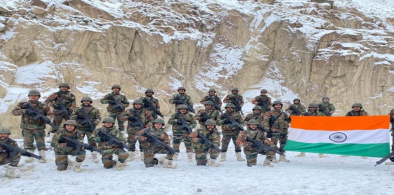
The implementation of this project in Eastern Ladakh and other sectors along the LAC is going to predictably rile the Chinese.
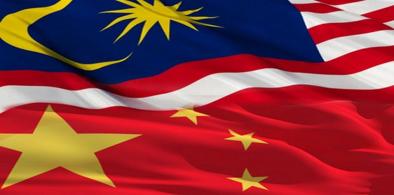
Domino effects seen in various countries at the receiving end of Beijing's political bearhug and economic penetration, from port takeovers to media influence, should warrant alarm bells in Kuala Lumpur. Policymakers here are in full awareness of this dilemma, but it takes more than political will to reimagine a new direction in Malaysia’s thinking and policy orientation.
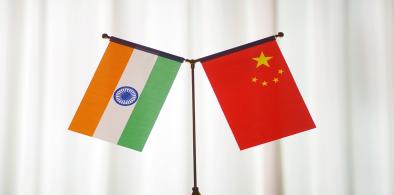
India’s narrative against China must be reviewed and reframed and the appropriate use of India’s military capability must get accepted by the political leadership.
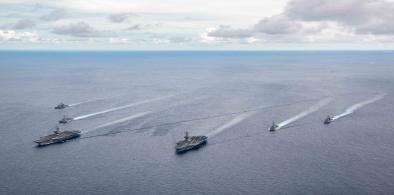
With the declining impact of deterrence measures, including dwindling effectiveness of confidence-building measures and a wide array of dialogue-building processes in trying to mitigate risks of conflicts, the question of a full-blown conflict stemming from the inevitability of Thucydides’ trapping would be a matter of when and where.
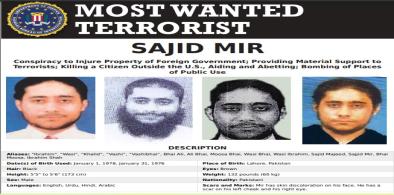
When the Security Council’s Counter-Terrorism Committee (CTC) met in Mumbai last month, an audio clip of Sajid Mir directing the 26/11 terrorists at the Chabad House Jewish cultural centre was played to focus on the role of the terrorist under Beijing protection at the UN.
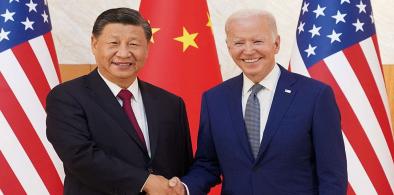
The rise of nationalist sentiments globally and in Europe, as seen in the premiership of Giorgia Meloni in Italy and Rishi Sunak in Britain, are conflating political circumstances for a global pushback against China’s actions where these countries are ready to call out China in a more forthright manner.
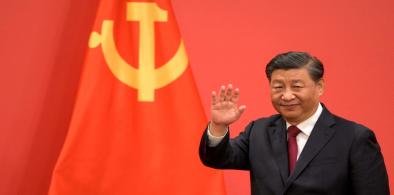
A forceful "unification" of Taiwan has been projected by most analysts as happening within the next five years of Xi’s new third term, as he will need this to cement a history-making legacy that will help him extend his rule for life

Bangladesh negotiated with India for 35 years, but the negotiations did not make any headway due to the river's importance to West Bengal. So Bangladesh has to look for other solutions where advanced Chinese technologies and experiences may have something to offer.
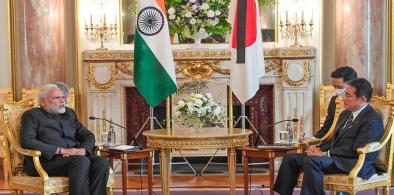
This partnership is also mutually driven by concerns over China’s territorial and naval expansion in its neighbourhood. As India prepares for the Malabar exercise being hosted by Japan this year, the focus should be on providing a stable, secure and prosperous Indo-Pacific.
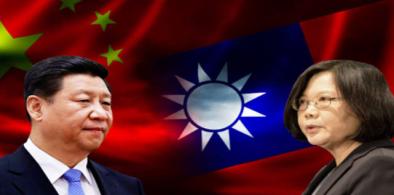
Taipei needs full regional support for its survival and in its efforts to repel a Chinese invasion; it cannot afford to be distracted by other lingering issues with other neighbours, including Japan, which Beijing is happy to exploit to its advantage.
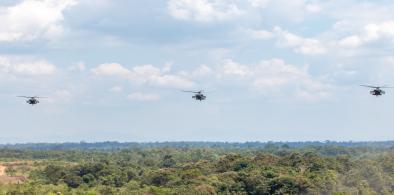
"The National Defense Strategy is really premised on this urgent need to sustain and strengthen deterrence with the focus on the People's Republic of China," the US official said.
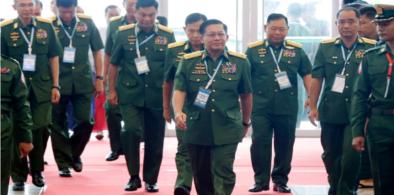
Myanmar's military junta is facing fierce resistance from various ethnic minorities. A shadow government, called National Unity Government (NUG), was formed to counter the military government. The shadow government has already appealed to the international community for support, to which the United States, the European Union and ASEAN member states have responded.