Ironically, the forced migration also laid the seeds of a diaspora in countries where Indians of another generation looking for better economic opportunities would not have normally settled.


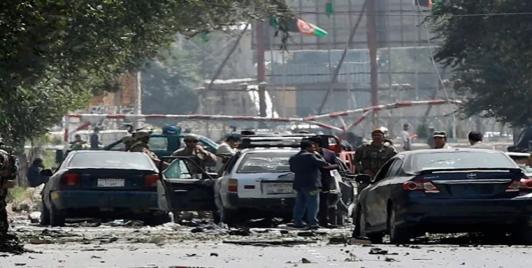
The Taliban may curate the museum. The newsroom must curate the context. Without that context, international television risks giving an extremist movement something it has always sought, not necessarily agreement, but attention; not necessarily legitimacy, but spectacle.
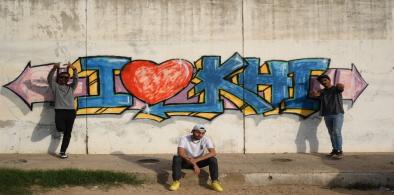
For an Indian audience, the most meaningful response to W.R.A.P. is not the comforting declaration that Indians and Pakistanis are identical. Such a claim can erase real histories and differences as readily as nationalism exaggerates them.
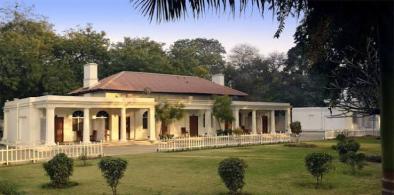
But tearing down a clubhouse will not lower a family's grocery bill or write a line of exportable code. India's chance to close the gap with the economies that outran it will not wait for a hearing date in September, and neither should the country's attention.
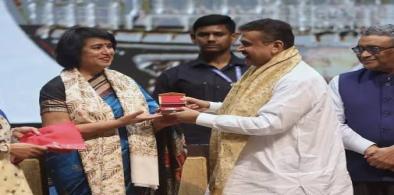
Taslima Nasrin’s homecoming deserves to be welcomed. A writer should be able to return to a city she considers home without fearing violence. The harder test will come when the symbolism fades. Will the government protect her if her criticism becomes inconvenient to the people now celebrating her return?
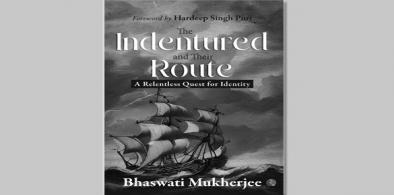
Ironically, the forced migration also laid the seeds of a diaspora in countries where Indians of another generation looking for better economic opportunities would not have normally settled.
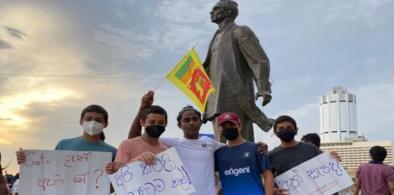
What had started as unrest – in response to decades of failed promises, nepotism – had been reduced to a mob seeking revenge. The question remains on how to preserve the spirit of the former whilst recognising the nature of the latter.
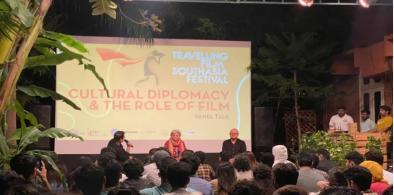
A well-connected and bonded youth of the region can ensure a much happier, more creative society and contribute to a better future.

After all how objective or desirable can the Nobel Prize for Peace be if Mahatma Gandhi, the greatest messenger of non-violence the world has seen for centuries, never got it? His name was nominated several times but Sweden did not want to annoy Britain.
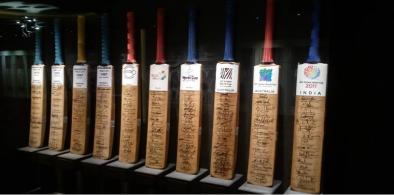
I am thrilled that Pakistan will be playing in India. I’m thrilled that this format allows an India-Pakistan encounter. Obviously, it’s something any cricket fan would look forward to. This is the World Cup and not a bilateral series, so it’s extra special.
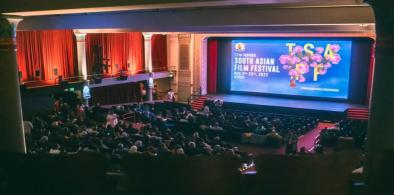
And now Rita’s idea for a Tasveer Art Center, a progressive, secular, and inclusive safe place that would house a state-of-the-art auditorium, filmmaker's studio, art gallery, and a hall to hold up to 300 people among other cutting-edge facilities, is her latest dream project.
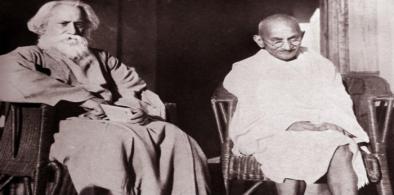
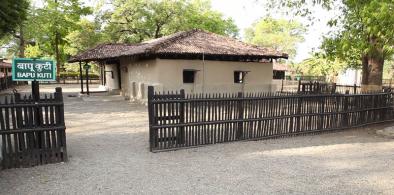
As we think of the relevance of ashram ideals in the thought of both Tagore and Gandhi, we realise that they were ecologically inspired. Gandhi Jayanti 2023 may help us consider the importance of an education engaging with our natural environment.
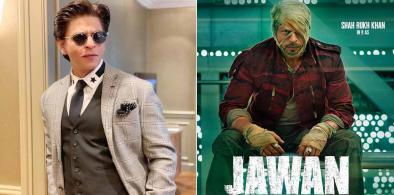
The industry prefers a winning formula to creative exploration, particularly in big-budget films populated by rocking stars with fancy fees. Will that change from hereon with the success of ‘Jawan’? We have on offer a new path for Bollywood, a path that can use its huge and unrivalled soft power to drive home some significant messages of the kind and in a way it has rarely attempted in a big-budget extravaganza.
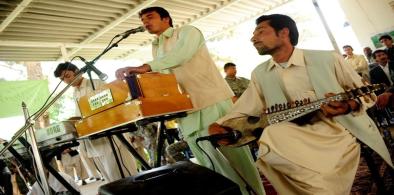
The famed Afghanistan National Institute of Music, the country’s only music school, had to shut down its campus in Kabul after the Taliban's crackdown. It has temporarily relocated to Lisbon, Portugal, where 273 students, faculty members and staff have been granted asylum.
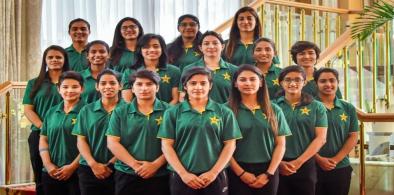
That the writer is Indian and male makes this book all the more remarkable. Puthran has captured not just the state of the sport in Pakistan but also the social, political, religious and administrative challenges women cricketers here face at every step.
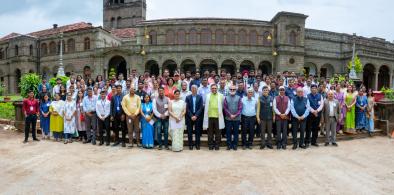
India's pledge to attain Net-Zero carbon emissions by 2070, articulated by PM Modi at COP26 in Glasgow, UK underscores the nation's determination to combat climate change. In this context, higher education institutions take center stage for moulding future-ready policymakers.

In India alone, some 150,000 people lose their lives to road crashes every year, with more than five times that number injured or maimed for life. Pakistan, Bangladesh, Nepal and Sri Lanka have equally dismal or worse statistics in the matter of road safety.

Too much planning brings misery because we cannot predict the forces of the future and hence have no control over them. This obviously leads us to worry about the outcome. We should therefore follow the American maxim; “We will cross the bridge when we come to it”.
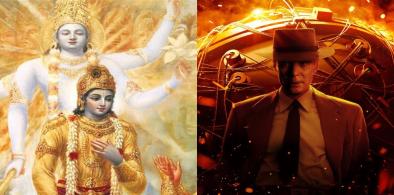
There was something profoundly moving to note that a deep philosophical insight given by Krishna Dvaipayana better known as Ved-Vyasa, the creator of the Gita and the Mahabharat, many millennia ago, should come to underpin the most defining event of the 20th century and beyond.
What we see in the problematic use of folk culture in Modern Indian art is the way the celebration of nature has been privatised and turned into a consumer item that becomes a part of the art industry.