Well known Pakistani TV host and actor Fahad Mustafa has donated Rs 2 million for the life-saving surgery of a three-year-old Hindu boy, Dipesh, according to a Dawn report


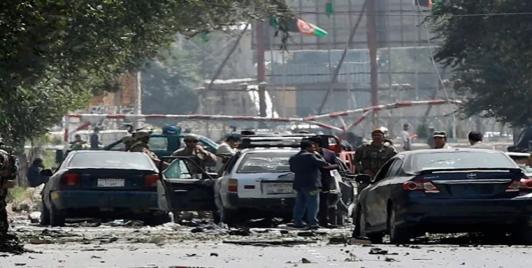
The Taliban may curate the museum. The newsroom must curate the context. Without that context, international television risks giving an extremist movement something it has always sought, not necessarily agreement, but attention; not necessarily legitimacy, but spectacle.

For an Indian audience, the most meaningful response to W.R.A.P. is not the comforting declaration that Indians and Pakistanis are identical. Such a claim can erase real histories and differences as readily as nationalism exaggerates them.
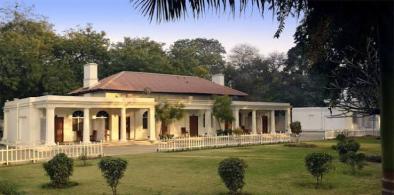
But tearing down a clubhouse will not lower a family's grocery bill or write a line of exportable code. India's chance to close the gap with the economies that outran it will not wait for a hearing date in September, and neither should the country's attention.
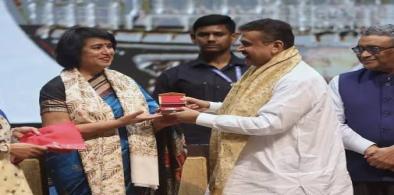
Taslima Nasrin’s homecoming deserves to be welcomed. A writer should be able to return to a city she considers home without fearing violence. The harder test will come when the symbolism fades. Will the government protect her if her criticism becomes inconvenient to the people now celebrating her return?

Well known Pakistani TV host and actor Fahad Mustafa has donated Rs 2 million for the life-saving surgery of a three-year-old Hindu boy, Dipesh, according to a Dawn report

DhakaYeah, a platform created by a group of anonymous illustrators, won the Alliance Française Pakistan - People's Choice Award for their work The Break

The ICC World Test Championship finalists India, New Zealand remain the top two teams in the MRF Tyres ICC Men’s Test Team Rankings after the annual update

Sabre Fencer Bhavani Devi, who created history by becoming the first Indian fencer to qualify for the Olympic Games, said she was looking forward to giving off her best performance in Tokyo2020

Three Nepali sisters, attempting to set a world record by climbing the highest mountains of all seven continents, on Wednesday successfully scaled the world's highest peak Mount Everest

It was decided to continue such discussions among stakeholders in the coming days to draw up a comprehensive road map for the promotion of the priceless Pashmina craft

The International Cricket Council (ICC)’s independent Anti-Corruption Tribunal has unanimously cleared former Sri Lanka player Avishka Gunawardene of two charges of match-fixing and failing to disclose corrupt approaches

Pakistani filmmaker Shoaib Sultan's short film Darya Kay Iss Par (Across the River) has bagged three awards at the New York City International Film Festival (NYCIFF)
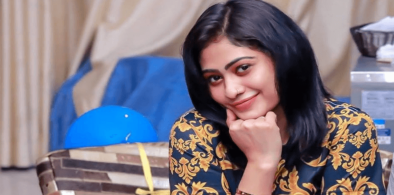
Sri Lankan model-turned-actress Piumi Hansamali will be sharing screen space with veteran actor Jackson Anthony for a Malayalam production in India

Superstar Amitabh Bachchan has donated Rs 2 crore/ 20 million rupees for the Covid-care center at Rakab Ganj Gurdwara in Delhi, scheduled to operate from Monday, said Delhi Sikh Gurdwara Management Committee president Manjinder Singh Sirsa

The representation of the sex worker in Indian celluloid seldom displays an attempt at non-voyeurism. Satyajit Ray, on the other hand, took a more nuanced look at the sex worker

Kami Rita Sherpa has become the only person to summit the 8848.86 meters tall Mt. Everest for the 25th time, breaking his own record set in 2019
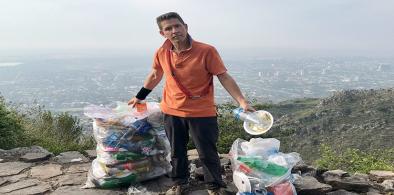
A top British diplomat went for an early morning walk in the green-capped Margalla Hills in Pakistan’s capital Islamabad hoping to catch some fresh air, but came back with two bags full of garbage he collected on the trail

Sana Ramchand has become Pakistan’s first Hindu woman to be appointed as an Assistant Commissioner, Daily Pakistan reported

Sri Lanka Cricket (SLC) – the apex supervisory body of the sport in the island nation - has offered to host the remaining matches of the cash-rich Indian Premier League, which has been suspended due to Covid outbreak among players and support staff