

Climate Migration: The Next Global Humanitarian Crisis?
Climate migration isn’t just about the loss of land. It is about the loss of memory, culture and home. When people are driven out of the places where they were born, few things that matter are merely economic. Over the next decades, the world will confront a fundamental dilemma. Can humankind handle the climate crisis in a surer way? Or will the future consist of millions searching for a new place to call home?
 May 09, 2026
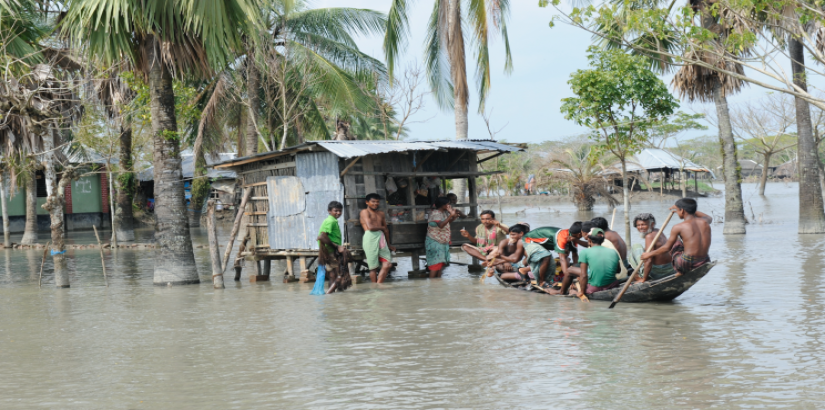
Human beings have always migrated from one place to another. Sometimes for jobs. Sometimes for safety. Sometimes for a better life. But today a new and ever more urgent reason is developing. That reason is the shifting climate. Because of Climate Change, Billions can no longer safely stay in their own homes. Rising seas, powerful storms, floods, drought and river erosion are driving people away. This migration is now known as climate migration.
Climate migration refers to people abandoning their homes because the surrounding environment has become either unsafe or uninhabitable.This issue is now being seen around the world. In many small island nations, higher sea levels are slowly eroding land. In regions of Africa, extended droughts wipe out crops and livestock. Strong storms across Latin America often wipe villages off the map. People have little option when land is lost and jobs go. They have to go somewhere else to live.
Experts expect this problem to worsen in the coming decades. Environmental changes could force millions of people to move. Bangladesh occupies an extremely precarious position in the context of this global crisis. The country has low-lying terrain and a very dense population. As a result, millions of people are afflicted by climate disasters.
In coastal areas, salt water is gradually flooding farmland. It destroys crops and lowers food production. Farmers who used to rely on their land are now losing their primary source of income. River erosion is yet another major issue. Each year rivers inundate homes, farmland and roads. Families find themselves losing everything they own, all at once. Cyclones and storm surges likewise destroy coastal communities. People have no choice but to move when homes are gone. Most of them leave their villages and come to big cities. Dhaka is the most visited destination.
City Life is Difficult for Climate Migrants
But life in the city is difficult. The majority of climate migrants come with almost no money. They typically take on informal jobs, like construction work, driving rickshaws or running small street businesses. Housing becomes another challenge. Many families settle in cramped slums. These regions tend to grapple with inadequate sanitation and health services as well as limited access to clean water.
So climate migration also poses new challenges in cities. Urban areas become more crowded. Jobs become harder to find. Infrastructure does not keep pace with a growing population. Villages also lose working people, however. Agricultural production may fall. Local economies become weaker. It shows that climate migration is not just an environmental problem. But it is also a social and economic challenge.
The problem is garnering attention around the world. Received wisdom dating back years now has it that climate migration could be one of the great humanitarian challenges of the century, according to many international organizations.
Yet there still is no clear international law governing people forced to move because of climate change. The term “climate refugee” is well known, but it has little legal standing — yet. As a result, thousands of displaced persons continue to be at risk. Their rights and protection often remain in question.
Rich Nations Have Larger Responsibilty
To overcome this crisis, the global community must come together and act. Rich industrial nations have historically been the biggest emitters of carbon. For that reason, they have a greater responsibility to resolve the climate crisis. Wealthy nations can help vulnerable countries adapt to environmental change with financial support, climate funds and technology sharing.
Bangladesh has already moved in some of these directions. Cyclone shelters, coastal embankments and disaster preparedness programs have saved countless lives. Still, long-term planning is essential. Coastal communities need stronger protection. Farmers need climate-resilient crops. Alternative livelihoods must be created. Urban planning also needs improvement. Prepare for future migration in cities.
Climate migration isn’t just about the loss of land. It is about the loss of memory, culture and home. When people are driven out of the places where they were born, few things that matter are merely economic. Over the next decades, the world will confront a fundamental dilemma. Can humankind handle the climate crisis in a surer way? Or will the future consist of millions searching for a new place to call home?
(The author is a student of Folklore and Social Development Studies, University of Rajshahi, Bangladesh. Views expressed are personal. He can be contacted at Shihab.fsds@gmail.com.)







Post a Comment