Amid Sri Lanka’s crippling shortages, Hirunika Premachandra Yatowita, daughter of a slain SLFP MP and herself a former MP from Colombo, is being seen as a new leader, writes P. Jayaram for South Asia Monitor


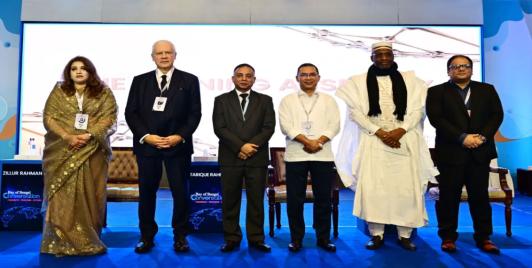
Three days of dialogue, debate, and engagement in Dhaka reinforced a sobering reality: despite ongoing discussions about multipolarity, middle powers, and strategic autonomy, great powers continue to shape the choices available to smaller states.
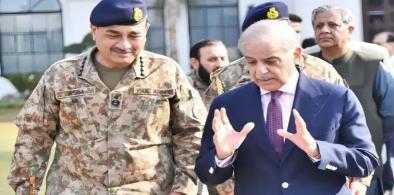
It would be simplistic to assume that every retired general appointed as an ambassador is an instrument of Asim Munir's influence. It would be equally complacent to dismiss the wider institutional implications of placing so many former military officers in diplomatic positions across several regions.
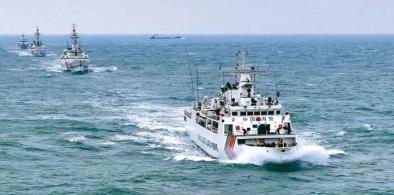
Arunachal Pradesh presents a particularly important dimension of the problem. China claims the northeast Indian state, refers to it as Zangnan, or South Tibet, and periodically challenges India's sovereignty through statements and the assignment of Chinese names to places within the state.
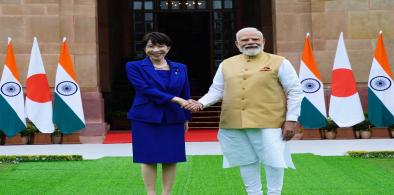
India and Japan should conduct regular stress tests involving scenarios such as disruption to an energy route, a cyberattack on logistics infrastructure, loss of an undersea cable or the unavailability of a specialized defense component.

Amid Sri Lanka’s crippling shortages, Hirunika Premachandra Yatowita, daughter of a slain SLFP MP and herself a former MP from Colombo, is being seen as a new leader, writes P. Jayaram for South Asia Monitor

Some major countries of South Asia have recently had Article IV consultations with the IMF since the onset of the pandemic in early 2020, writes Partha Pratim Mitra for South Asia Monitor
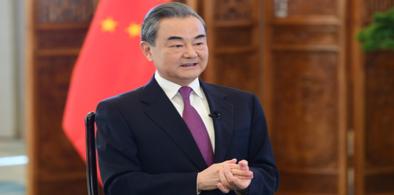
Xi has been quick to grab the opportunity to launch his own diplomatic blitzkrieg by sending his Foreign Minister Wang Yi to South Asia, writes Amb Dilip Sinha (retd) for South Asia Monitor
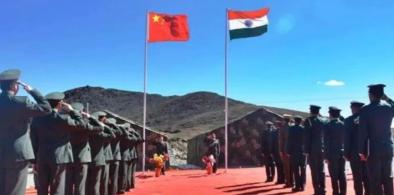
China needs to seriously think whether it wants to continue the confrontation with India or settle the border with irrevocable guarantees, writes Lt Gen P.C. Katoch (retd) for South Asia Monitor

Governments across South Asia need to display stronger political will against violence and unrest over communal and religious issues, writes Shubham for South Asia Monitor

The film lives to its own dialogue that showing wrong is as dangerous as hiding the truth; it totally hides the murders and exodus of Muslims, writes Dr Ram Puniyani for South Asia Monitor

The film has soured Hindu-Muslim relations to an extent in Kashmir - and also in the rest of the country - that the Pandits will be unable to settle down as before in close proximity with their Muslim neighbours, writes Amulya Ganguli for South Asia Monitor
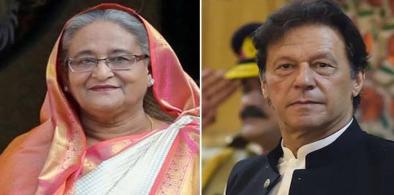
The younger generation of both countries is keen to forge stronger ties between these two Muslim-majority countries in the region, writes Mehjabin Bhanu for South Asia Monitor
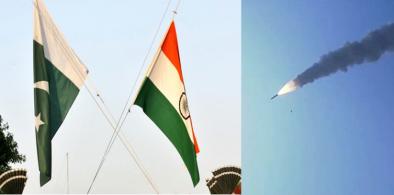
Fortunately, Pakistan never went ballistic and their reaction has averted what could have potentially led to a disastrous escalation, writes Maj Gen Jagatbir Singh (retd) for South Asia Monitor

Afghanistan owes a measure of its progress to the India cricket board and its generosity in providing to the embattled Afghan cricketers the use of ‘home’ grounds in India, writes Qaiser Mohammed Ali for South Asia Monitor

The Japan Bank for International Cooperation listed India as the most attractive investment destination, yet Prime Minister Fumio Kishida’s visit to Delhi failed to generate that investment buzz, writes S. Majumder for South Asia Monitor
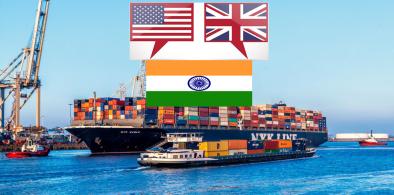
With its strategic position in the Indian Ocean, India has a vital role in America’s Indo-Pacific Strategy, writes Lt Gen P. C. Katoch (retd.) for South Asia Monitor
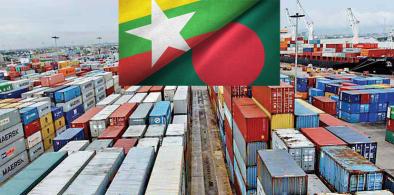
Enhanced ties between Bangladesh and Myanmar can contribute to the growth of trade and investment relations with ASEAN and BIMSTEC countries, writes Jubeda Chowdhury for South Asia Monitor

The international community needs to appreciate that against all odds and the trauma of partition, India’s culture is composite and represents her civilizational heritage, writes Amb Bhaswati Mukherjee (retd) for South Asia Monitor
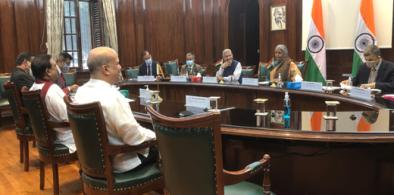
After Basil Rajapaksa's current visit, Modi is likely to fly from New Delhi to Jaffna to mark the reopening of Palaly Airport for commercial operations, writes Sugeeswara Senadhira for South Asia Monitor