In a world when COVID-19 has brought humanity to its knees and exposed the haughty posturing of many nation-states the lesson of its interconnectedness in combating the pandemic is in stark contrast to the situation four months ago


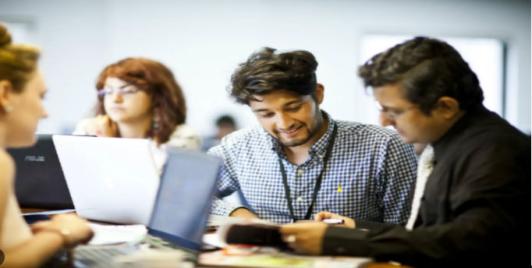
South Asia often discusses youth mobility after a student has already decided to leave the region. A stronger regional system would give students another option before that point: international experience that is close enough to be practical, but different enough to change what they learn.
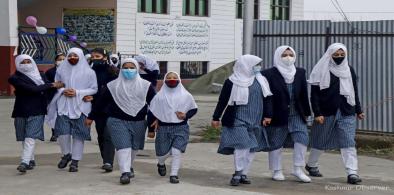
If dummy admissions, prolonged school absenteeism, and an unregulated coaching culture continue unchecked, we may end up producing students who have spent enormous amounts of time and money on education without actually receiving the education they need.
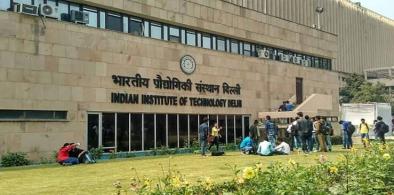
If South Asian governments urgently review and reform their education systems, the region can all benefit within 15 years from our demographic dividend and unleash the region's immense knowledge and growth potential within a generation.New education systems must be interactive and inter-operative to allow free movement of professionals, capital and labour around the region
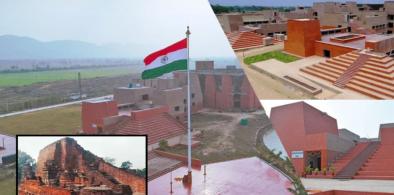
Nalanda serves as a counterweight to the historic monopoly of Western universities over social, political, and ecological theory. It invites Asian and African scholars to address regional dilemmas such as resource sovereignty, post-colonial statehood, and sustainable modernization using indigenous analytical categories.
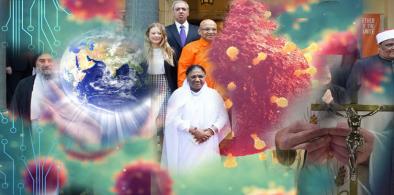
In a world when COVID-19 has brought humanity to its knees and exposed the haughty posturing of many nation-states the lesson of its interconnectedness in combating the pandemic is in stark contrast to the situation four months ago
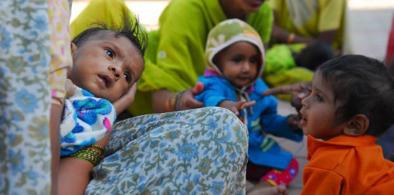
This initiative was launched in 2015 as a collaborative effort between the Indian Council of Medical Research, Public Health Foundation of India, Institute for Health Metrics and Evaluation, and a number of other key stakeholders in India, including academic experts and institutions, government agencies and other organizations, under the aegis of the Ministry of Health & Family Welfare
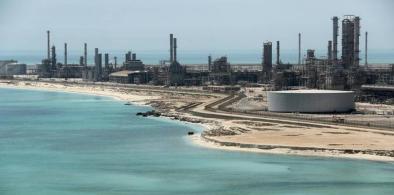
India’s ties with the Gulf countries that have been robust in the past have come under strain owing to a number of factors
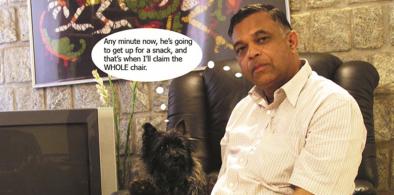
I slept a lot, but I was doing that in any case before the lockdown. I read some but it is becoming increasingly difficult to focus for long with my failing eyesight
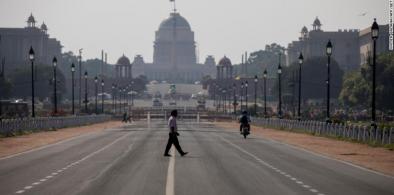
Prime Minister Narendra Modi declared lockdown all over India around 40 days back, which caught the countrymen by surprise and led to a feeling of uncertainty
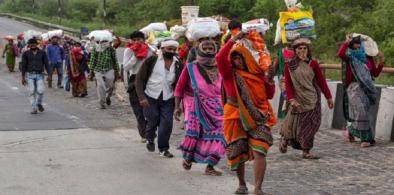
If I could swim the meadows and walk the rivers
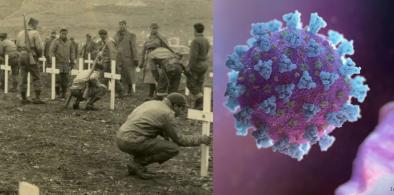
In living memory, the worst disaster and miseries took place during the World War II. A large number of manufacturing units, airports, and seaports were destroyed and buildings demolished. Japan suffered the worst when the atomic bomb was dropped on Hiroshima and Nagasaki, causing the death of millions of innocent people
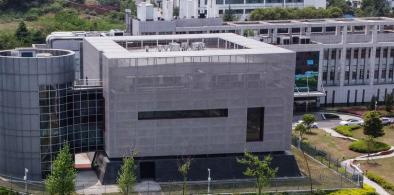
There are indications/allegations that COVID-19 or coronavirus was accidentally released from a Wuhan lab
Pakistan’s health crisis could explode, gravely crippling the economy and national security, if the lockdown is lifted prematurely. The whole world is grappling with the lives vs. livelihoods debate
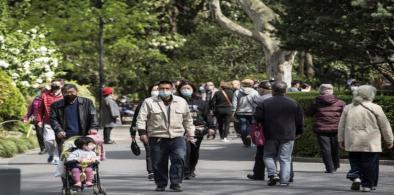
At a time when America’s role is tragically missing and as the world steps up its scrutiny of China, global leadership is suffering from a crisis. It is India that can step in to fill this void in leadership

As the world is under the grip of coronavirus, there appears to be a universal breach of social contract. World leaders in democracies, autocracies or monarchies have grossly failed to give birth to a clear roadmap to mitigate the despair and desolation amid the COVID-19 outbreak
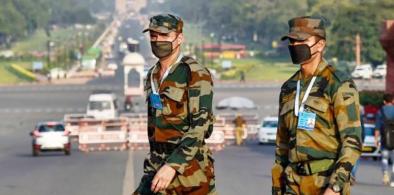
India’s Armed Forces and Defence Ministry production units continue their countrywide assistance in combating the effects of COVID-19, a dirty and deadly biological 'weapon', which allegedly emanated from a laboratory in Wuhan, China and spread infection worldwide, though there has been no authoritative corroboration of this so far
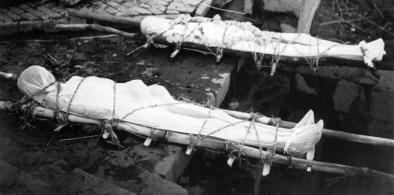
In India, during the 1918 influenza pandemic, a staggering 12 to 13 million people died, the vast majority between the months of September and December. According to an eyewitness, “There was none to remove the dead bodies and the jackals made a feast.”
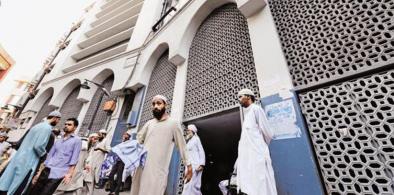
Arthur Koestler, a Hungarian British author, and journalist, once observed that “Man's deadliest weapon is language. He is susceptible to being hypnotized by slogans as he is to infectious diseases
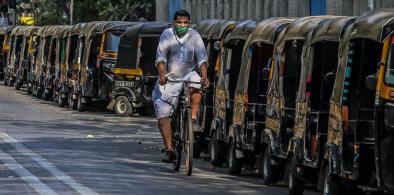
India’s coronavirus lockdown of 1.3 billion people is unprecedented in size and scope, particularly in a country where city streets are so thronged with life in all its guises