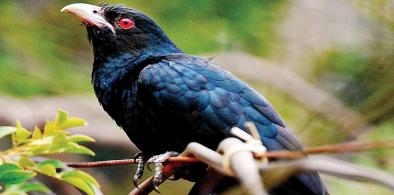
O’ Koel why do you sing today?
The virtues like civic discipline or gender sensitivity in India are not at premium. Basic civic sense is conspicuous by its absence. It gets manifested as indiscriminate littering, spitting, traffic indiscipline, vulgar or derogatory comments against women etc. Such attitudes find manifestation in foreign destinations as well.
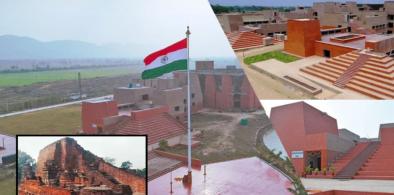
Ties between India and East and Southeast Asia are bound to strengthen, given the growing synergies in strategic areas such as defence, critical technology and higher education. It is important for Indian students, professionals, and skilled workers to harness educational and work opportunities in that region that is open to receiving Indian students and techies. This is especially important given that countries in the Anglosphere, not just the US but also Canada and to an extent Australia, are adopting increasingly insular immigration policies and tightening student and work visa regulations.
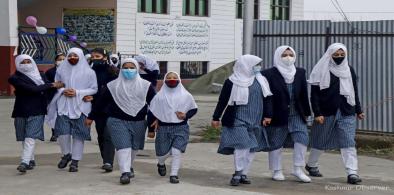
Across Kashmir, the image of crowded reading rooms alongside empty classrooms should compel us to reflect on the direction our education system is taking. Reading rooms may help students prepare for examinations, but schools and colleges prepare them for life.
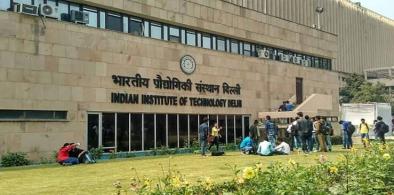
The future of Indian higher education may depend not on greater central control, but on creating autonomous institutions operating within a strong framework of accountability.
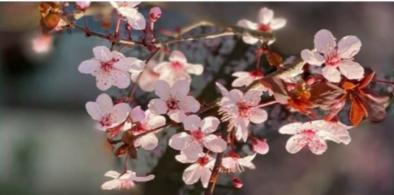
O’ Koel why do you sing today?
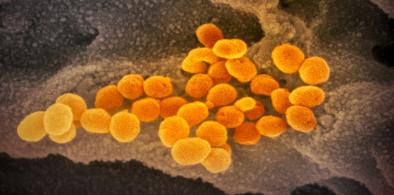
The Indian Council of Medical Research (ICMR) has come up with an easy frequently asked questions (FAQ) to dispel myths and bring out facts about the coronavirus
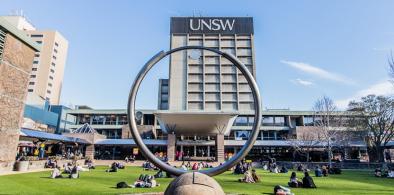
Epidemiologist and data scientist, Dr Kalinda Griffiths at UNSW, Australia explains how accurate and timely “data is power” for aboriginal and native communities, that offers critical lessons to South Asian governments to understand the impacts of COVID-19 on their own marginalised, remote and indigenous communities
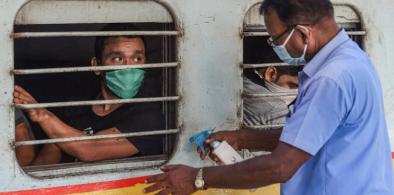
As the world confronts the coronavirus pandemic, experts say that a key way to minimize the odds of getting sick is by washing your hands thoroughly and frequently.
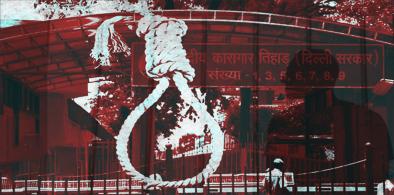
After more than seven years of protracted judicial proceedings, four criminals who abused ‘Nirbhaya’ - a media moniker for a young paramedic who was gang-raped and killed in December 2012 - have been finally hanged in India
There is a worldwide scare about coronavirus. Such viruses in one form or the other have been with us through eternity
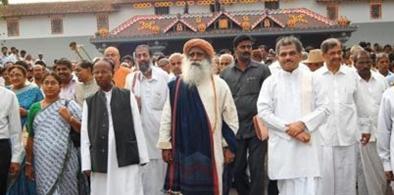
At a time when coronavirus outbreak has impacted economies around the globe and mega industries like aviation, travel and hospitality suffer financially, Sadhguru, the founder of Isha Foundation, has brought the focus back to one of the most important, yet ignored sections - the daily wage earners
The National Conference (NC) leadership is making a fuss over dropping the Sher-e-Kashmir prefix from the name of the Convention Centre, despite knowing that the administration is meeting its constitutional obligation, mandated by Article 18 of the Indian Constitution
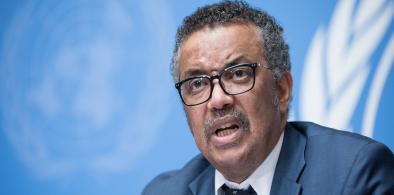
The World Health Organization on March 17 called on member states in South-East Asia Region to urgently scale-up aggressive measures to combat COVID-19, as confirmed cases cross 480, and the disease claims eight lives
When the coronavirus attacks started in the Wuhan region in China, many governments and people around the world thought it was a localized affair and the Chinese government would tackle it
To quote a proverb from the English speaking world: “Every cloud has a silver lining”. Such wisdom, of course, applies to all aspects of life
Disgracefully, for years, rape has been considered as a property crime. Men treated women as their property and, being aggressors, they used their organ as a weapon against women, to suppress them
This morning when I got up to open my laptop again after an interval of months spent by me in hospitals, medical check-ups etc
The 29 February Agreement may well set in motion a process bringing peace to Afghanistan and an end to America’s longest war
A coalition of human rights groups today reminded the National Human Rights Commission (NHRC) of India of its statutory mandate, which empowers the Commission to take suo motu action in the face of human rights violations, particularly acts of omission and commission by public servants