For Bangladesh, the challenges of hosting the Rohingyas are only growing amid the resource crunch, a growing rate of crimes, and drug smuggling in the refugee camps.


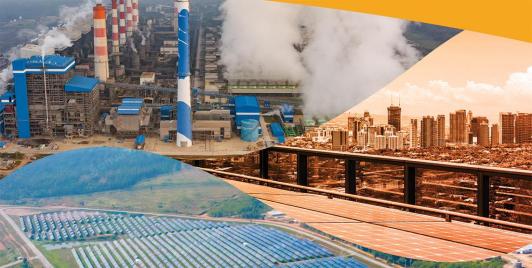
The larger economic choice for South Asia is therefore broader than whether to participate in carbon trading. The region can remain primarily a supplier of relatively inexpensive mitigation outcomes, or it can also develop the technology, professional capacity, financial products and verification systems that determine what those outcomes are worth.
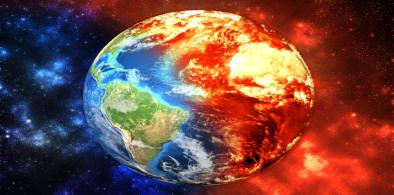
On top of that is our own unsustainable living that is creating large-scale havoc on the planet. They include construction of large dams, roads, and tunnels in the fragile Himalayan region. These activities together with the melting of glaciers due to global warming are bound to create worse natural disasters in the coming years.
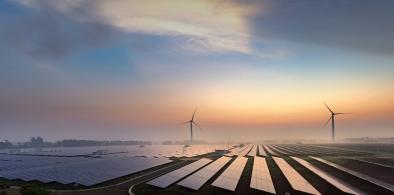
The regional opportunity is particularly significant in electricity. Nepal and Bhutan can potentially export hydropower; India can provide the scale of demand and investment required to create a regional electricity market; Bangladesh can become an important electricity consumer; and Sri Lanka and Pakistan can expand solar and wind. Greater cross-border electricity trade could allow countries to exploit complementary renewable resources and reduce the need for expensive domestic backup capacity.
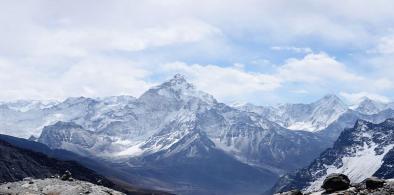
A genuinely regional approach could eventually include - besides Nepal, China and India - Bhutan and, where relevant, downstream institutions in Bangladesh. Organisations with established Himalayan expertise, particularly the International Centre for Integrated Mountain Development in Kathmandu, could offer scientific and institutional support.
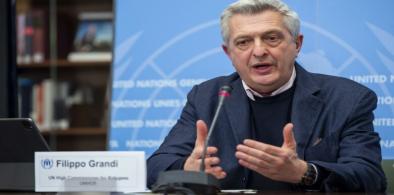
For Bangladesh, the challenges of hosting the Rohingyas are only growing amid the resource crunch, a growing rate of crimes, and drug smuggling in the refugee camps.
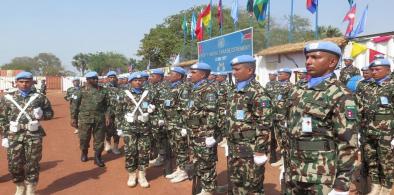
Nepal is the second largest contributor of uniformed officers to UN Peacekeeping, as over 5,700 of its military and police personnel are deployed to the UN operations in different conflict zones, according to the United Nations.
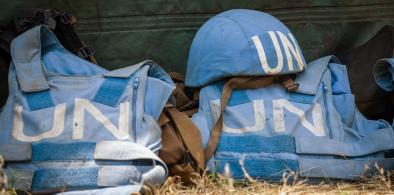
Recent reports showed how inspectors from the Taliban’s moral policing ministry had now intensified patrolling around public spaces like malls, bazaars, and other places, enforcing their socially conservative codes.
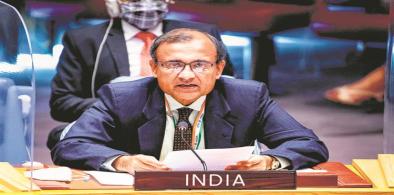
Tirumurti spoke of the dangers from terrorist exploitation of the new financial technologies like virtual currencies, non-fungible tokens (NFTs) that create monetary value out of non-physical entities, crowd-funding platforms and new payment methods like prepaid phone cards, mobile payments and online payment systems
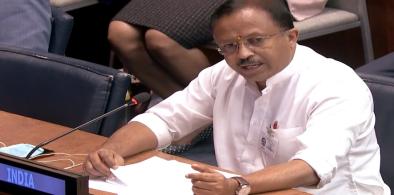
India “has never been found wanting” when it came to helping countries in distress, whether it was the Covid pandemic or conflicts. “We have provided food aid in the form of thousands of metric tonnes of wheat, rice, pulses, and lentils to several countries, including our neighbourhood and Africa, to strengthen their food security”, he said
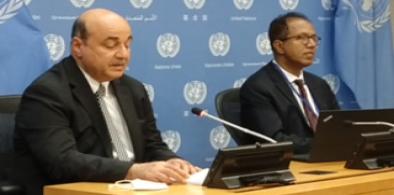
South Asian countries faced risks from higher prices and shortages of farming inputs including fertilisers, it said. “This will probably result in weaker harvests and exert further upward pressures on food prices in the near term”, according to the WESP
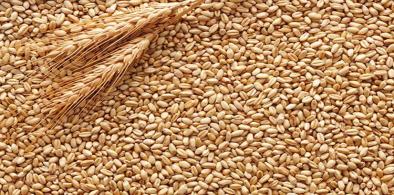
India, which is the world’s second-largest wheat grower and has a big stockpile, ordered an end to most purely commercial wheat transactions, while leaving room for some exports to neighbouring countries and governments of countries in need
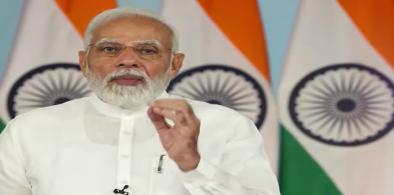
Giving a progress report on vaccinations, Modi said that India’s programme is the largest in the world hving fully vaccinated almost 90 per cent of the adult population, and more than 50 million children
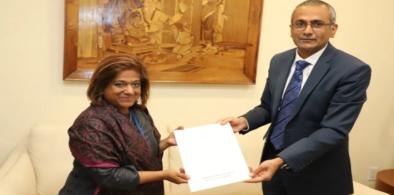
While Hindi is yet to be one of UN’s official languages, Prime Minister Narendra Modi has made sure he uses the medium to promote the language on international platforms, including the UN
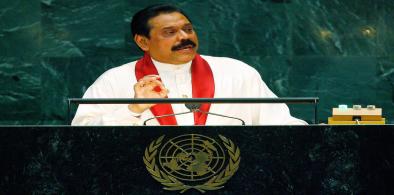
“We've also been concerned about the recent violence against peaceful protesters, and we urge calm and restraint, as well as respect for democratic rights, including the right... the freedom of expression and the right to peaceful assembly”, the spokesman said
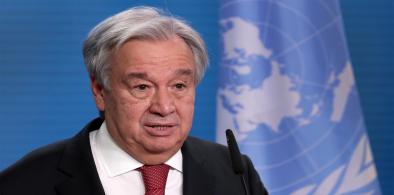
Guterres followed it up with his own statement: Today, for the first time, the Security Council spoke with one voice for peace in Ukraine. As I have often said, the world must come together to silence the guns and uphold the values of the UN Charter”
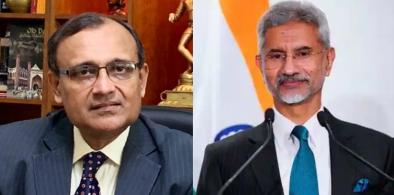
Earlier at the Raisina Dialogue in New Delhi last month, Jaishankar had stated that India should engage the world on the basis of its confidence in its identity rather than trying to please the global community
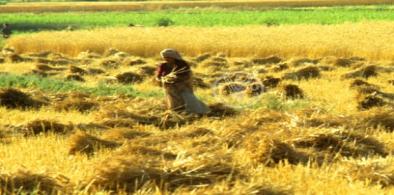
Earlier this year, India began sending wheat to Afghanistan through the WFP via Pakistan after initial opposition from Islamabad. India has pledged 10 million tonnes of wheat donations to Afghanistan
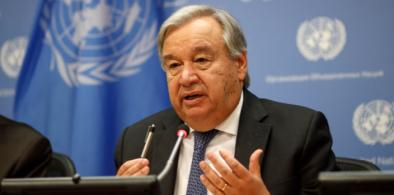
Guterres' appeal comes in the wake of reports sporadic community violence across many areas in India, including capital New Delhi, as Hindu and Muslim religious festivals overlapped in the last couple of weeks
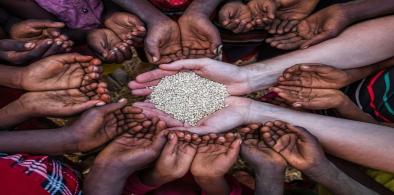
Cooperation between the US and India on averting a food crisis figured in talks between the leaders of the two countries last month. India is sitting on a wheat stockpile estimated at about 100 million tonnes, far in excess of a safety net