UN General Assembly President Abdulla Shaid of the Maldives said, “Cyberspace and social media together with the proliferation of disinformation and fake news have aggravated the effects of hate speech to unprecedented heights”.


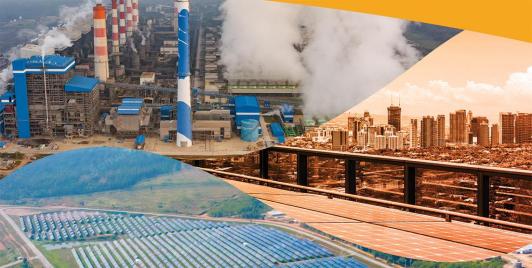
The larger economic choice for South Asia is therefore broader than whether to participate in carbon trading. The region can remain primarily a supplier of relatively inexpensive mitigation outcomes, or it can also develop the technology, professional capacity, financial products and verification systems that determine what those outcomes are worth.
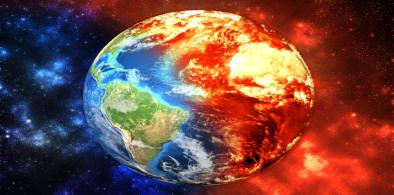
On top of that is our own unsustainable living that is creating large-scale havoc on the planet. They include construction of large dams, roads, and tunnels in the fragile Himalayan region. These activities together with the melting of glaciers due to global warming are bound to create worse natural disasters in the coming years.
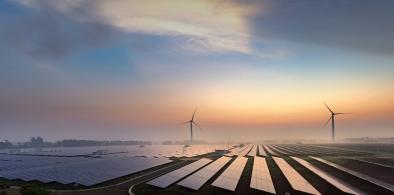
The regional opportunity is particularly significant in electricity. Nepal and Bhutan can potentially export hydropower; India can provide the scale of demand and investment required to create a regional electricity market; Bangladesh can become an important electricity consumer; and Sri Lanka and Pakistan can expand solar and wind. Greater cross-border electricity trade could allow countries to exploit complementary renewable resources and reduce the need for expensive domestic backup capacity.
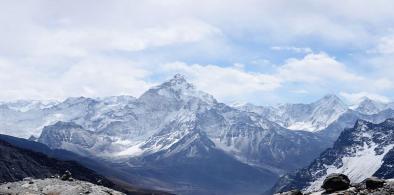
A genuinely regional approach could eventually include - besides Nepal, China and India - Bhutan and, where relevant, downstream institutions in Bangladesh. Organisations with established Himalayan expertise, particularly the International Centre for Integrated Mountain Development in Kathmandu, could offer scientific and institutional support.
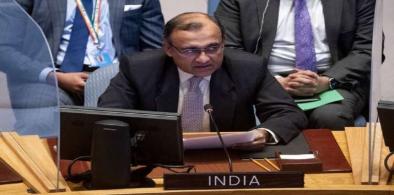
UN General Assembly President Abdulla Shaid of the Maldives said, “Cyberspace and social media together with the proliferation of disinformation and fake news have aggravated the effects of hate speech to unprecedented heights”.
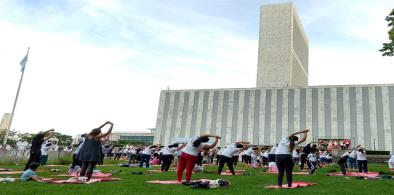
At the UN, where the celebration was held a day earlier, most of the attendees, including Shahid, wore white Tshirts emblazoned with the Yoga Day and “75 Azadi ka Amrit Mahotsav” (75th Independence Day) logos and participated in yoga exercises on the lawn of the UN headquarters next to the East River.
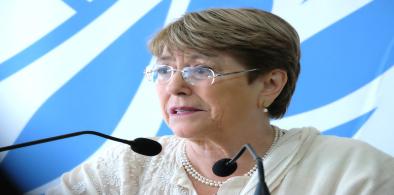
Her visit to China last month and her statements there were seen as allowing Beijing to exploit it for publicity and whipped up criticism from the US as well human rights groups.
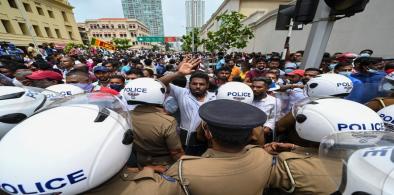
Significantly, in a recent interview to WION TV, Prime Minister Ranil Wickremesinghe said that Beijing hadn't responded to Colombo's request for the debt restructuring.
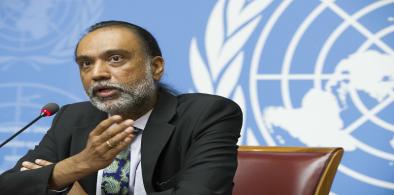
Dujarric said that Gill “ helped secure high-impact international consensus recommendations on regulating artificial intelligence (Al) in lethal autonomous weapon systems in 2017 and 2018, the draft Al ethics recommendation of UNESCO in 2020, and a new international platform on digital health and Al”.
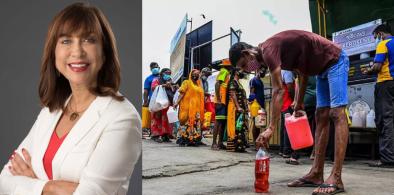
Asked about the causes of the crises, Singer-Hamdy said that while the Ukraine conflict had a ripple effect, there were other factors like the Covid pandemic, the tax cuts that cut the government revenue, the foreign exchange shortage, the currency devaluation and the ban on chemical fertilisers which cut agricultural production by 50 per cent.
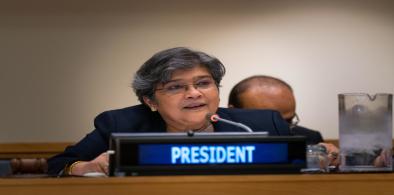
Fatima joined her country’s diplomatic service in 1989 and served in various capacities in the Ministry of Foreign Affairs and in Bangladesh Missions in New York, Kolkata, Geneva and Beijing.
After taking power, the new government of Ranil Wickremesinghe has been reaching out to the international community. The relative political stability that his government has brought following the resignation of the previous government of Mahinda Rajapaksa has also boosted the confidence of the international community.
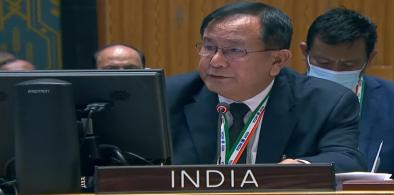
Singh said, “The tools to address the serious violations of international law need to be used judiciously, without any selectivity, in line with principles of the UN Charter”. He stressed that countries should primarily be responsible for prosecuting serious violations of international law.
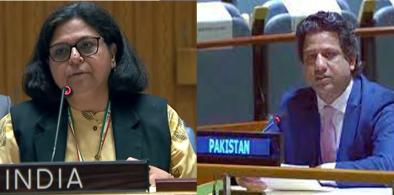
During the debate, Pakistan’s Acting Permanent Representative Aamir Khan had accused India of “grave breaches of international criminal law” in Kashmir and of trying to change its demographics from Muslim majority to Hindu majority by cancelling its special constitutional status.

“The growing capabilities of terrorist and other non-State groups to access delivery systems like missiles and unmanned/uncrewed aerial systems [drones] have compounded the risks of terrorism using WMDs”, the Indian representative said.
The report comes amid ongoing peace talks between the TTP and the Pakistan government as the violence has increased since August last year. Earlier attempts of peace talks, mediated by the Afghan Taliban, had failed to produce any significant result. This year alone, the TTP carried out 46 attacks, mostly targeting security forces, and killed 79 people, according to the Pakistan Institute of Peace Studies data.

Without naming the two countries, India’s Permanent Representative T. S. Tirumurti told the Council on March 25, “India also believes that there is a pressing need to address the proliferation of nuclear and missile technologies related to DPRK (North Korea) in our region. These linkages have an adverse impact on peace and security in the region, including on India”.
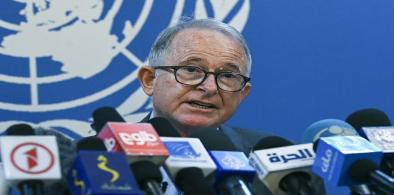
At a press conference in Kabul on Thursday, the UN envoy said that the advancing erasure of women from public life was especially concerning and urged the authorities to immediately reverse policies and directives that negatively impact women and girls.
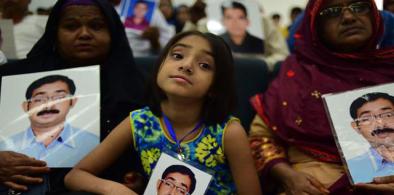
Bangladesh’s move to respond to the UN group’s queries came almost two months after the US State Department sanctioned seven top serving and retired RAB officials in December last year, citing human rights violations and other abuses by it, a move that was viewed very disapprovingly by Dhaka as an unfriendly act.