From Bangladesh to India and to Sri Lanka, the natural rubbers producers are getting squeezed under lockdowns and social distancing. It is sounding the death knell of the region’s rubber economy, writes K S Nayar for South Asia Monitor


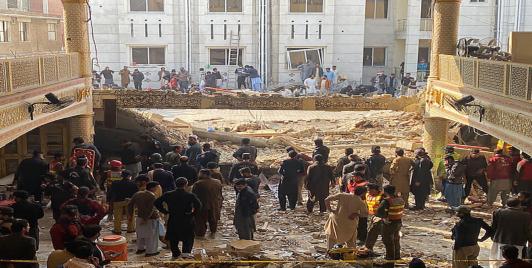
India must also recognise that Pakistan's internal security crisis has wider regional implications. Escalating Pakistan–Afghanistan tensions could create additional uncertainty along the western frontier, while attacks on Chinese projects could affect regional connectivity and investment.
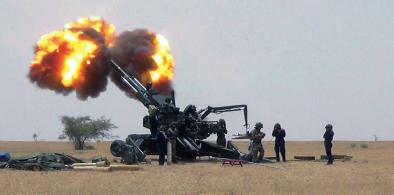
India has demonstrated that it can develop and manufacture modern artillery systems. What needs reassessment is how quickly we acquire, integrate and field them, and how effectively we ensure that new technologies communicate and operate together.
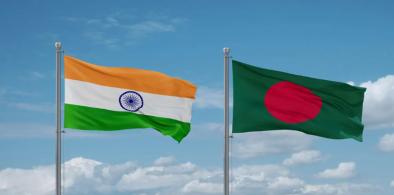
If India says the security of its Northeast, border management, trade and connectivity matter, Bangladesh can equally say that water sharing, deaths at the border, market access, energy security, river management and sovereign equality matter to it.
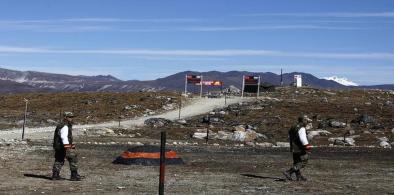
The Indian military views no disengagement in Arunachal Pradesh as part of a wider strategic recalibration, prompting India to match Chinese force rebalancing by shifting strike corps and resources equally across both northern and eastern fronts.
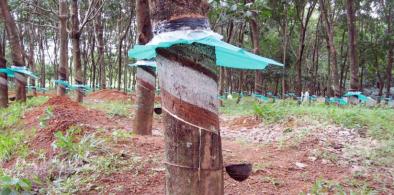
From Bangladesh to India and to Sri Lanka, the natural rubbers producers are getting squeezed under lockdowns and social distancing. It is sounding the death knell of the region’s rubber economy, writes K S Nayar for South Asia Monitor

Banks are generally very traditional in nature even though all the banks and financial institutions are going digital. Traditional nature change is again a challenge. The lockdown has come as a blessing in disguise as the changeover to digital systems can now pick pace, as it becomes the need of the day, writes Ashim Kumar Goswami for South Asia Monitor

Indian policy towards Nepal has been lackadaisical. Belief of mutual Hindu traditions should be viewed in the context of power in Nepal lying with the communists for whom religion is anathema, writes Lt Gen P. C. Katoch (retd) for South Asia Monitor
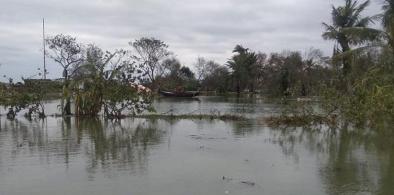
The question that arises uppermost is that are we learning the right lessons from these recurring weather episodes or just concentrating on immediate short-term disaster relief without taking any steps to make the regions ecologically sustainable and disaster resistant, writes Partha Pratim Mitra for South Asia Monitor

The coronavirus outbreak has hit the Maldivian economy hard, as travel restrictions and other preventive measures affected the country’s lucrative tourism industry, which contributes to the bulk of the island nation’s state revenue and foreign reserves, writes Kavita Bajeli-Datt for South Asia Monitor

On April 23, 2020, in a virtual conference ‘Enhancing regional cooperation in South Asia to combat COVID-19 related impact on its economics’ organized by the World Economic Forum, Bangladesh PM Sheikh Hasina placed five-point proposals to combat this global crisis with collective responsibility and partnership from every society, writes Dr. Mohammad Tarikul Islam for South Asia Monitor
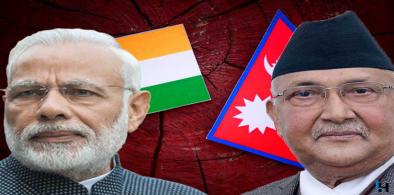
The Kalapani issue first came into prominence in 1997 when the Indian and Chinese governments came to an agreement to open a route for the annual Kailash-Mansarovar yatra through Lipulekh pass. Nepal objected to the use of Lipulekh, writes Shubha Singh for South Asia Monitor
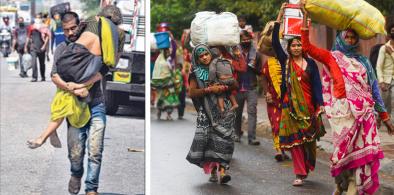
Bihar is the poorest state of the country in per capita terms. Can it find the enormous resources required to fight the virus and its impact on the economy? writes Gulrez Hoda for South Asia Monitor

The row between the two nations heated up when Nepal’s Communist Prime Minister K P Sharma Oli on May 20 vowed before the country’s Parliament to reclaim the three “disputed areas” from New Delhi., writes Kavita Bajeli-Datt for South Asia Monitor
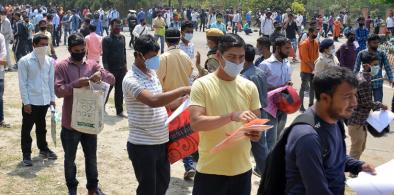
South Asia is home to over 1.8 billion people and houses half of the world’s impoverished communities, writes Aashish Kiphayet for South Asia Monitor

Honour killing has been part of social traditions in Pakistan’s deeply conservative tribal society, but not confined to it. Killings have been reported in Lahore, Karachi and other places as well, writes Mahendra Ved for South Asia Monitor
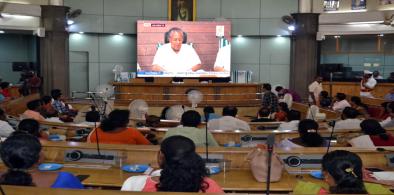
There is a need for a radical attitudinal change in governance and also among Malayalees. Skilling graduates, who are mostly unemployable, should be top priority, writes K S Nayar for South Asia Monitor
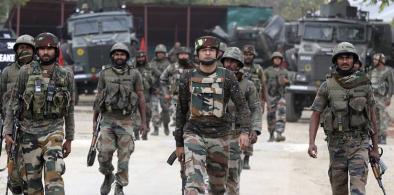
The shift in the approach towards terrorism is mildly indicative of India's assertive and uncompromising stance in dealing with terrorism, writes Jay Maniyar for South Asia Monitor
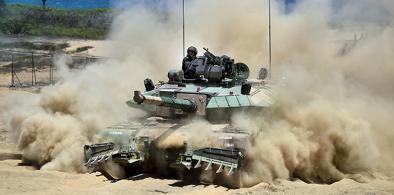
India’s political establishment seems to have utterly failed to appreciate the need for self-sufficiency in military hardware. Consequently, no roadmap or grand strategy has ever been drawn up, for attaining autonomy in defence-production, writes Admiral Arun Prakash (retd) for South Asia Monitor
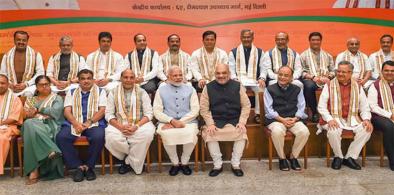
The pandemic has revealed the Jana Sangh-BJP’s basic faultline which marks the breach between the affluent and the non-trader lower castes and the lower middle and working classes, writes Amulya Ganguli for South Asia Monitor