Irrespective of whether they succeed in convincing the foreigners, the reactions in India to the minister’s assertion will range from amusement to derision, writes Amulya Ganguli for South Asia Monitor


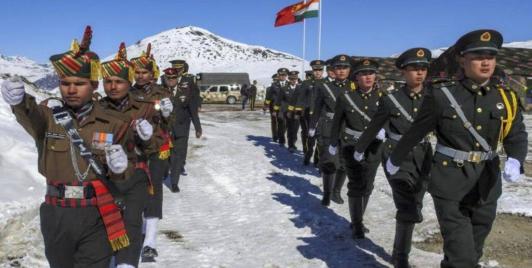
Hopes for Sino-Indian relations centre on a cautious diplomatic thaw, institutionalised border stability and renewed high-level engagement. Indian negotiators and defence planners are well aware that “trust must be verified”. While the activation of these eight points provides valuable channels to prevent an accidental kinetic clash on the ground, the real test of China’s sincerity will not be the joint statements signed in Beijing, but whether it ceases infrastructure build-ups and respects the historical patrolling rights of Indian troops along the LAC.
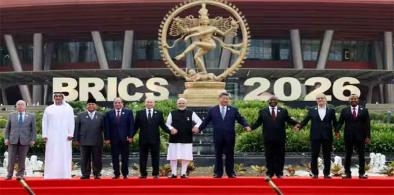
By removing the ‘Indo’ prefix from Indo-Pacific the US implicitly acknowledges that it no longer unilaterally defines the eastern strategic landscape. Regional organisations like BRICS continue to redefine the lexicon of ‘rules-based order’ to insulate themselves from western domination.
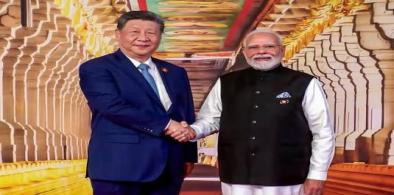
The bilateral discussion between Prime Minister Narendra Modi and Chinese President Xi Jinping on the sidelines of the 18th BRICS Summit indicates surge in mutual ties, particularly by way of trade. However, little can be expected by way of full settlement of the boundary dispute.
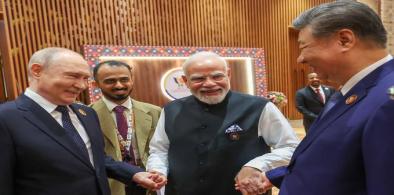
The timing of the EU announcement coincided with the BRICS+ Summit in New Delhi, creating speculation about whether the EU was seeking to reinforce its strategic engagement with India amid the growing influence of the BRICS grouping.
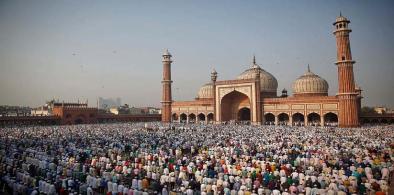
Irrespective of whether they succeed in convincing the foreigners, the reactions in India to the minister’s assertion will range from amusement to derision, writes Amulya Ganguli for South Asia Monitor
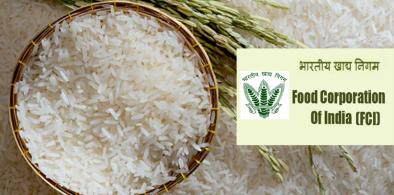
This abundant food-in-the-granary exigency will unfold even as a large number of Indians are grappling with hunger pangs and are stuck in varying degrees of deprivation, writes C Uday Bhaskar for South Asia Monitor
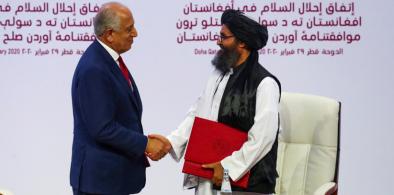
The wider consequences of the agreement between the US and Taliban remain ambiguous, writes Iqbal Dawari for South Asia Monitor
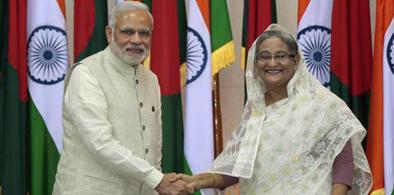
The Indian government’s decision to pass and enact, in December 2019, the Citizenship Amendment Act, naming Bangladesh as a country where minorities are persecuted, had an extremely negative fallout in that country, writes Nilova Roy Chaudhury for South Asia Monitor
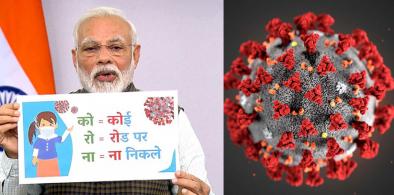
India is poised for an all-out war and, like in any war, this is not the time for partisanship. It’s in this scenario that Modi will find himself at a fork in the road, writes E.D. Mathew for South Asia Monitor
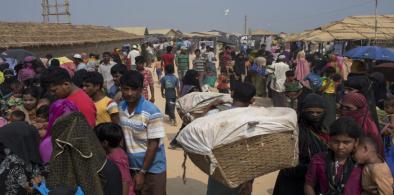
Indeed, if anyone is serious about the plight of the Rohingyas and is looking for sustainable solutions to the crisis, then the person ought to put her gaze not on Bangladesh but on Myanmar, writes Imtiaz Ahmed for South Asia Monitor
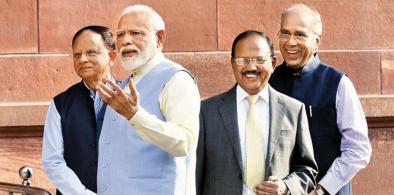
When the first COVID-19 case came to public notice in India in January this year, questions in concerned quarters have been raised as to why did it take almost two months to prepare for lockdown and that too with a notice of a few hours to leave many citizens unprepared and more so the migrant and the poor, writes Partha Pratim Mitra for South Asia Monitor
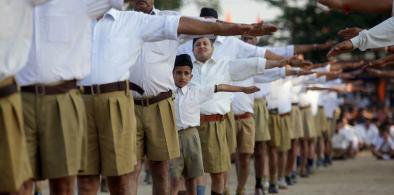
RSS remains quite optimistic about the way the new world order is going to pan out post-COVID-19. It feels that it is the beginning of a new golden era for India, writes Arun Anand for South Asia Monitor

The consequence of continuing the lockdown, even under present conditions, could be grave, as the self-employed people like vendors, plumbers, auto drivers, small automobile workshops etc. as well as poor senior citizens, visually impaired/differently-abled people, who are millions in number all over the country, would be badly hit, writes N S Venkataraman for South Asia Monitor
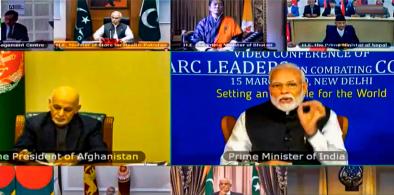
The legitimacy of a regional organization like SAARC and others alike will be uncertain if strategic measures and procedures to control COVID-19 do not work in South Asia, writes Maj. Gen Binoj Basnyat (retd) for South Asia Monitor
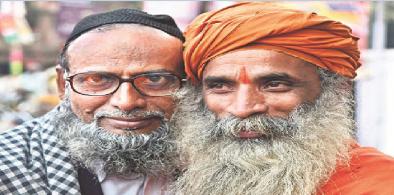
No one can predict what the trajectory of communal relations will be when it is clear that so much will change in the post-corona period not only with regard to Hindu-Muslim ties, but in every other field that the scene in India will be quite different from what it is today writes Amulya Ganguli for the South Asia Monitor
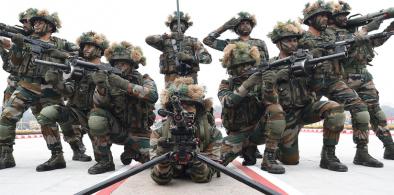
The armed forces, after decades of clamouring, have been accorded a historic opportunity to usher in change and reforms. It is imperative that this opening is utilized with sagacity and deliberate forethought writes Admiral Arun Prakash (retd) for the South Asia Monitor
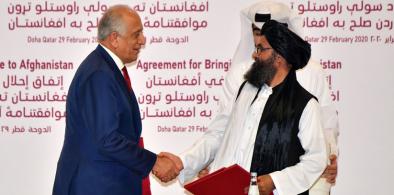
How much the talk of sharing power with the Taliban is realistic - that raises doubts, as it is impossible for the Taliban to be diverted from their ideology, writes Monira Nazmi Jahan for the South Asia Monitor
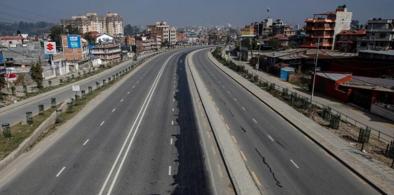
We, the people of Nepal should understand that if an unfortunate incident can befall one, it can befall others too. That’s why we all need to stand together, writes Jivesh Jha for the South Asia Monitor
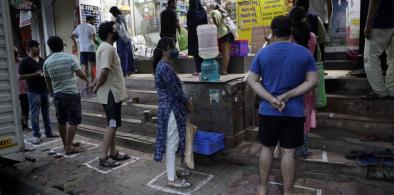
While the South Korean model of aggressive and maximum testing has proved successful; the world is also studying and appreciating the Indian model wherein a densely and an overpopulated nation with limited resources and a not very advanced health infrastructure has been able to control the exponential spread of the pandemic, writes Brig Anil Gupta for the South Asia Monitor