Now India and Bangladesh have to look for a new foundation to take the relationship between the two countries to a higher level. And deepening of economic ties can create that new foundation.


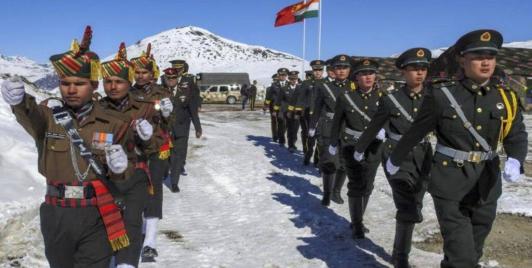
Hopes for Sino-Indian relations centre on a cautious diplomatic thaw, institutionalised border stability and renewed high-level engagement. Indian negotiators and defence planners are well aware that “trust must be verified”. While the activation of these eight points provides valuable channels to prevent an accidental kinetic clash on the ground, the real test of China’s sincerity will not be the joint statements signed in Beijing, but whether it ceases infrastructure build-ups and respects the historical patrolling rights of Indian troops along the LAC.
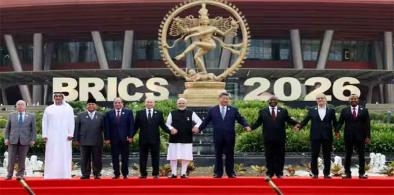
By removing the ‘Indo’ prefix from Indo-Pacific the US implicitly acknowledges that it no longer unilaterally defines the eastern strategic landscape. Regional organisations like BRICS continue to redefine the lexicon of ‘rules-based order’ to insulate themselves from western domination.
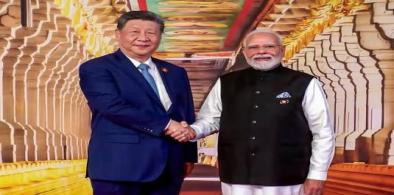
The bilateral discussion between Prime Minister Narendra Modi and Chinese President Xi Jinping on the sidelines of the 18th BRICS Summit indicates surge in mutual ties, particularly by way of trade. However, little can be expected by way of full settlement of the boundary dispute.
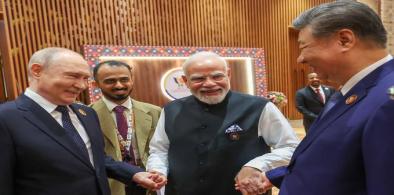
The timing of the EU announcement coincided with the BRICS+ Summit in New Delhi, creating speculation about whether the EU was seeking to reinforce its strategic engagement with India amid the growing influence of the BRICS grouping.
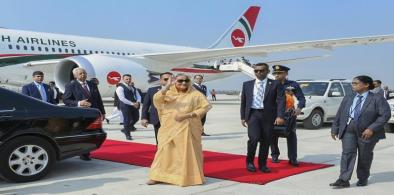
Now India and Bangladesh have to look for a new foundation to take the relationship between the two countries to a higher level. And deepening of economic ties can create that new foundation.
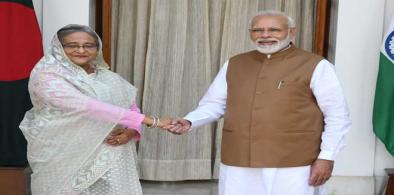
Overall, many of the vexing problems of long standing can be mitigated quickly by bold and quick measures, denying ammunition to detractors of India-Bangladesh ties on both sides and letting our relationship flourish to its full potential
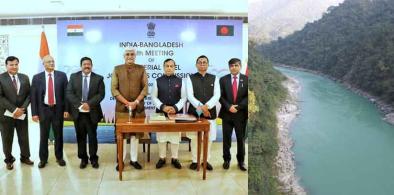
The JRC discussion should have recognised the sufferings of the people of both sides because of the water scarcity during the lean season flows of the Teesta river and struck a win-win deal that was beneficial to both sides
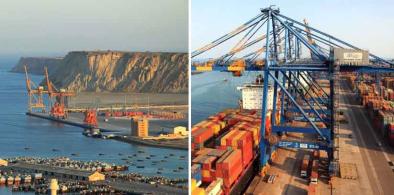
Both Gwadar and Mundra ports are close to a turbulent region that is violent and militancy-prone. If Gwadar has security problems from within, Mundra has them from without
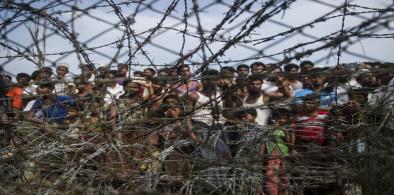
India has repositioned its earlier policy of providing a home to refugees from Tibet, Afghanistan, Bhutan and Sri Lanka and is forcefully deporting Rohingya refugees
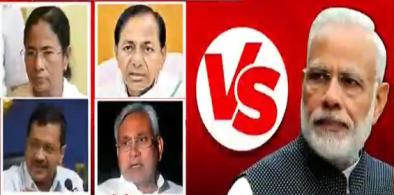
Given these roadblocks, it is not a surprise that the BJP, led by Prime Minister Narendra Modi, is a runaway winner in every opinion poll to the dismay of its adversaries who wonder why the economic difficulties of inflation and unemployment are not holding it back

While this exercise was a long overdue and necessary measure, the whole gamut of India’s coastal security in view of terrorist threats and other crimes must function effectively and consistently as there have been instances of breaches in coastal security after 26/11
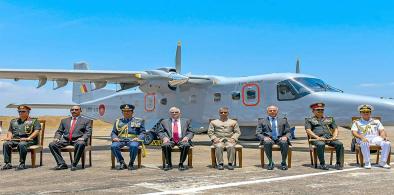
Defence sources said it was significant that the Dornier was handed over to Sri Lanka by India a day before the high-tech Chinese satellite tracking ship docked at Hambantota

India should also project the values and aspirations of the Indo-Pacific into Atlantic waters to help global development. The SAGAR (Security And Growth for All in the Region) model can be extended to a much larger canvas of mutual cooperation and benefit

If Australia is to emerge as the destination of choice for Indian students, its India strategy needs to be rethought. If this were to happen, international education and institutional collaboration would emerge as a critical building blocks in the bilateral space

The world must remember the refugees’ lives depend on how the international community responds to caring for them as Bangladesh alone cannot afford to support this huge Rohingya population
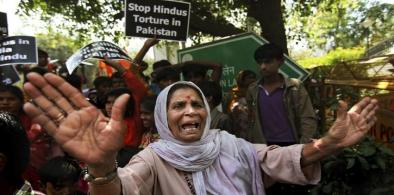
The question being raised in Pakistan@75 should be welcomed, that how come Pakistan, carved out as a safe home for the Muslim minorities of the Indian subcontinent, has failed to provide safety to its own minorities? Only Pakistan has the answer
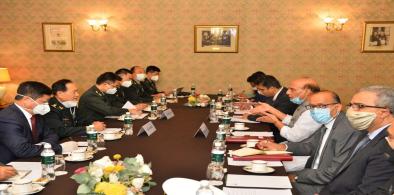
We need to learn a lot from China’s foreign policy; and when our own response to China is weak-kneed, how do we expect Sri Lanka to take up cudgels with Beijing?
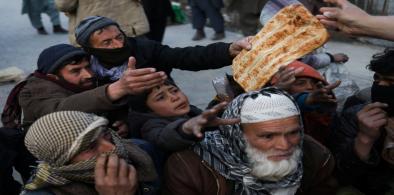
If the Taliban’s original purpose in taking over Kabul last year was to gradually gain some international recognition for what it calls the Islamic Emirate of Afghanistan, it now stands fully destroyed
The ideological shift in politics towards prioritizing the majority religious denomination that has morphed into assertive political Hindutva goes against the fabric of the 'Idea of India' enshrined in the constitution