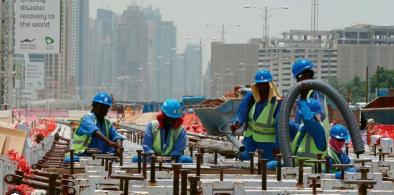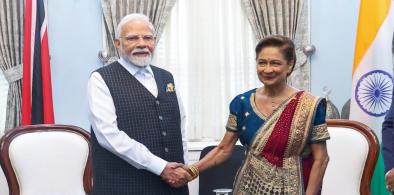


Some of us are aware of the beginning of indentureship but we need to acknowledge the end of this horrible system. They faced racism, religious discrimination, were exploited and endured inadequate housing, low wages and physical abuse.
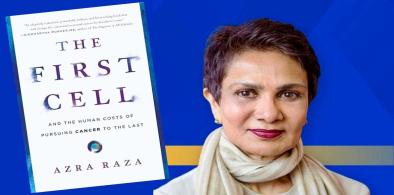
As friends, colleagues, mentees, and admirers gathered in Cambridge, Massachusetts, to celebrate her 80th birthday in November 2025, what became clear was that the accolades tell only part of the story and don’t explain why a roomful of people from across the world came to honour her.
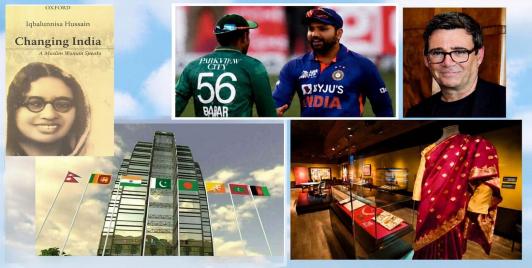
The exhibition also sits in conversation with an earlier project co-curated by Hashmi and Walia, exploring the creative and political possibilities of South Asia through art and film. That curatorial lineage expands the meaning of this library project, situating it within a broader feminist and regional tradition of asking uncomfortable questions.
Mamdani represents a different era — one less interested in fitting in, and more in standing firm. Obama deflected when his middle name became a slur in the mouths of opponents. Mamdani pronounces his own name slowly until others get it right. Obama avoided being read through a Muslim lens. Mamdani says being Muslim, African-born, and South Asian is the story — not a liability.
Mamdani’s performance becomes even more striking when the kind of coalition he built in the world’s most multicultural and multilingual city is brought into consideration. Early analysis shows that apart from South Asian American voters, including Indian, Pakistani, Bangladeshi, Afghan, Sri Lankan and Nepalese, he also won over White, Black and Latino voters in excess of expectations. He did particularly well in the demographic below 45 years in age
Some of us are aware of the beginning of indentureship but we need to acknowledge the end of this horrible system. They faced racism, religious discrimination, were exploited and endured inadequate housing, low wages and physical abuse.
As South Asia stands at a crossroads, the path forward lies not just in political accords but in confronting the shadows of its past. Healing requires more than ceasefires — it calls for courage, empathy, and the willingness to rewrite inherited narratives.
As Pakistan's first Sikh representative in the Punjab Assembly in more than 60 years, Sardar Ramesh Singh Arora has continuously pushed for inclusive policies and legislative changes, serving as a ray of hope for minorities.
Chickens are incredibly intuitive. They can sense your mood, your energy. And in return, they’ve taught me to slow down, to be present. In moments of stillness, my hens are calm and responsive, and in their peaceful company, I’ve learned that there’s no need to rush.
Public perception is arguably the biggest political obstacle Muslim Americans face. Islamophobia has fueled unfavorable preconceptions since 9/11, which has hindered Muslim candidates' ability to win widespread support. While religiously driven opposition is uncommon for Jewish and Hindu politicians, Muslim candidates frequently face allegations of being "anti-American" or "radical."
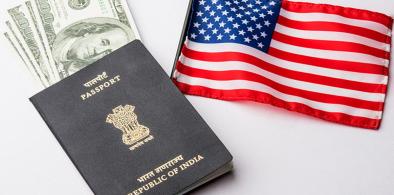
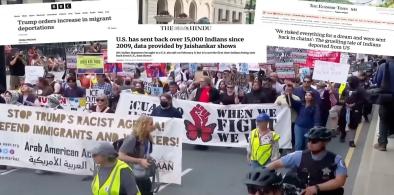
The manner and time span in which the 18,000 Indians are deported can serve to embarrass the Narendra Modi government and hurt Indo-US ties. It will bring new questions for an image-sensitive government that projects India as a growth engine while an increasing number of Indians, as alleged by the US, look to settle in a foreign land. For now, India is right in asserting that it will take back deportees after verifying that they indeed are Indian citizens.
Sajid Tarar is a divisive figure in American politics, particularly among Muslims. While his support for Trump defied traditional political alignments, it also sparked debate about the diversity of political thought among Muslim Americans. His rise from Pakistani immigrant to political influencer in Republican circles highlights the intricacies of identity, philosophy, and political allegiance in modern America
Noting that the talks were held unusually on a weekend in the Belgian capital, Indian minister Goyal said this only goes to demonstrate the importance the European Union and India place on this partnership.
Dr. Piracha made unmatched efforts to strengthen the Pakistani-American community. He put forth endless effort to meet the needs of immigrants, especially physicians, and promote a feeling of community since he understood the particular difficulties they faced.
His parents, Norbu Wangdu and Dolma Tsering, fled Tibet in the 1960s after China’s occupation in the late 1950s. Born in 1982 in Kathmandu, Nepal, Rigdol came to the United States in the late 1990s to study at the University of Colorado, Denver. He earned a BFA in painting and drawing and a BA in art history in 2005. He simultaneously studied traditional Tibetan sand painting and butter sculpture at the Shekar Chorten monastery in India and thangka painting under Phenpo Tenthar at the Tibetan Thangka Art School in Kathmandu.
Elon Musk took a personal approach, posting on X, “The reason I’m in America along with so many critical people who built SpaceX, Tesla, and hundreds of other companies that made America strong is because of H-1B”. He warned that the US would “LOSE” without attracting the world’s best talent.
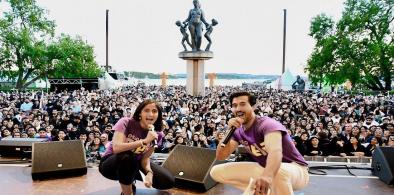
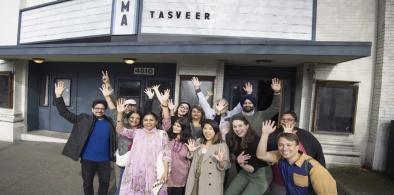
The power of storytelling shone through at the Tasveer Film Festival, a key player and pivotal stakeholder in the global South Asian film market. Since its inception in 2002, the festival has consistently amplified South Asian narratives and boosted their visibility on the world stage.
When small groups of individuals abroad resort to violent or disruptive protests, it tarnishes the collective image of the Pakistani community. These actions reinforce negative stereotypes about Pakistanis being politically volatile, emotionally charged, or prone to extremist behavior.
There was a consensus on the importance of allowing people to meet across borders, revive dialogue and sporting ties -- including cricket -- as well as SAARC, the South Asian Association for Regional Cooperation, and cooperate on all matters, especially the environment.
The celebration of Diwali, the Festival of Lights, has gained much national and international prominence in Trinidad, where the annual Divali Nagar at Chaguanas sees over 100,000 people thronging the nine-nights carnival spread over a 27-acre site from all over the Caribbean, the United States and beyond.