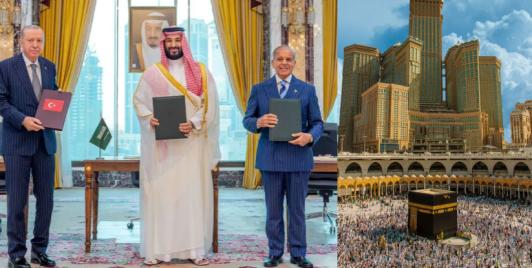
The Mecca Pact: A Mirage of Islamic Unity, A Pact on Paper?
The Mecca Pact, barely a month old, has already been discredited. Its authenticity is in question, its efficacy doubtful. The very notion of an “Islamic Nato” has been exposed as a mirage. Collective defence requires not just declarations but capabilities, coordination and political will. None of these are evident in the pact’s functioning.
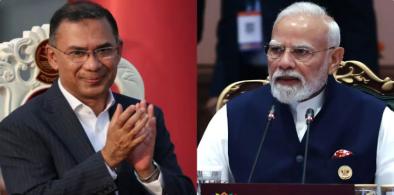
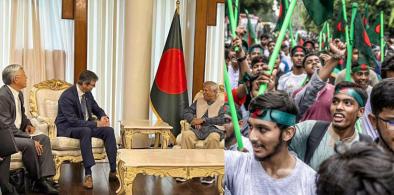
Diplomacy Cannot Wait: The Case for an Immediate Bangladesh–India Bilateral Visit
A more sensible and balanced engagement with India might help Bangladesh maintain its national interests while boosting its competitiveness in the region as it moves into the post-LDC transition period. A bilateral visit should happen soon to address Bangladesh's food, fertiliser and fuel shortages.
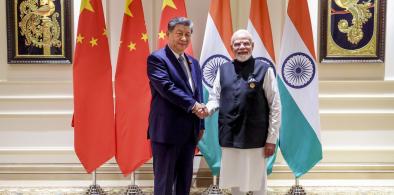
India Through a Different Lens: Post BRICS Summit, a Nuanced Change in Outlook Towards India in Chinese Media and Policy Circles
The real change, then, is not merely that Chinese media sounded friendlier towards India. It is that they assigned India a different place in the story. New Delhi appeared as a complex but consequential partner, whose strategic autonomy and cooperation matter to China's imagining of a changing world order.
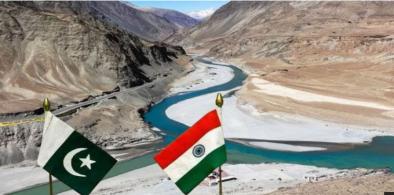
The Indus Waters Treaty: What Comes After The Hague Ruling?
Pakistan, for its part, will have to recognise that the old assumption of an immutable treaty operating independently of the broader India-Pakistan relationship has become untenable. Islamabad cannot expect the water relationship to remain insulated indefinitely from terrorism
More on Geopolitics, Security and Strategic Affairs
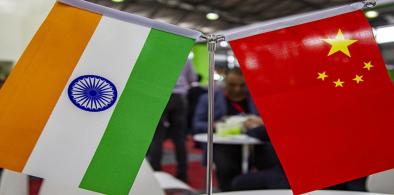
China-India agreement: West will need to adapt to a new reality
The broader message of the Sino-India pact is clear: the world is moving toward a multipolar order where the dominance of Western powers is increasingly being challenged by the rise of nations like China and India. This agreement exemplifies the ability of non-Western nations to resolve their conflicts without Western interference
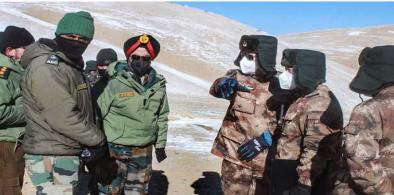
India-China military disengagement in Eastern Ladakh: New Delhi should always be ready for a surprise
China has been saying that the border question should be left separate from the bilateral relationship, implying it should be kept on the back burner. Resumption of patrolling in Ladakh, in whatever form, will be good, But the reversion to pre-April 2020 posture by China is out of the question.

Nepal Supreme Court’s landmark ruling sets benchmark for LGBTQI+ rights
Nepal made history with its 2007 judgment, becoming the first South Asian nation to formally register same-sex marriage, with a trans woman and a gay man legally marrying in the Lamjung district. It also passed affirming laws regarding sexual orientation and gender identity, including the legal recognition of a third gender over ten years ago, placing Nepal ahead of many other countries.
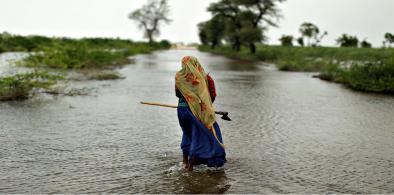
Building climate resilience in Pakistan: The SAFER project’s role in addressing water and ecosystem vulnerabilities
The SAFER project achieves two goals, by prioritizing participation of women, children, youth, and resilience of vulnerable communities, and by achieving gender equality and social justice. This ambitious project by Pakistan sets a precedent for other developing nations to follow, showing the importance of community driven, ecosystem based approaches to climate adaptation.
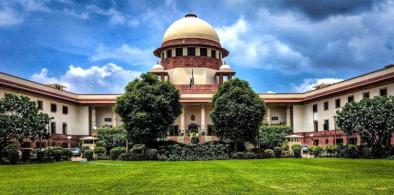
Alternative Dispute Resolution should be encouraged to reduce burden on courts
ADR law aims to make justice more accessible and reduce the burden on courts, which currently have over 4.48 crore (nearly 45 million) cases pending from District Court to Supreme Court, 1.08 crore of which are civil disputes and 3.40 crore of which are criminal cases. According to the National Judicial Data Grid, these cases have been pending for anywhere from one year to more than 30 years.
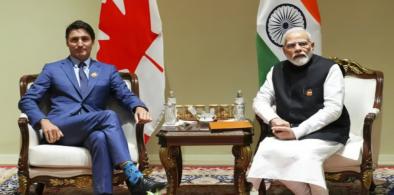
Hardened positions in both capitals has India-Canada ties on the edge
Beyond the immediate flare up, the fact that Trudeau is sticking to his guns so publicly without offering any actionable evidence could mean that internally he is certain of the damaging nature of what his law enforcement has gathered. If not, then he is playing a dangerous game prompted by domestic political compulsions.
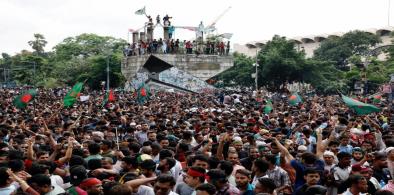
Mob justice: A growing threat to Bangladesh’s stability
The current government came to power with promises of systemic reform and state reorganization. However, the alarming rise of mob justice across Bangladesh suggests a shift from reform to revenge. Since the police returned to duty on August 11, 21 people have been beaten to death in 38 days, with only eight arrests. This highlights the failure of law enforcement to curb mob violence
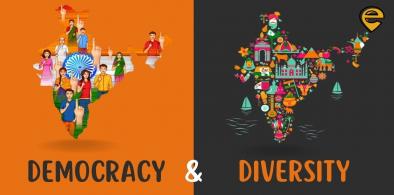
Diversity and democracy: Why India remains politically stable in a volatile South Asian neighbourhood
The rise of populism, religious polarisation, and centralization of power have raised concerns, especially concerning freedom of speech. While India's framework of democracy is more vibrant and institutionalized compared to its neighbors where fear of authoritarianism or military interventions is constant, it requires sustained efforts to put that democracy on a solid foundation.

A silent struggle of India’s ageing population: Can entrepreneurs see an opportunity in the elderly?
A growing concept in India, known as silver economics, aims to empower elderly individuals to become entrepreneurs, enabling them to take control of their own solutions and challenging the notion that entrepreneurship is reserved exclusively for the younger generation.
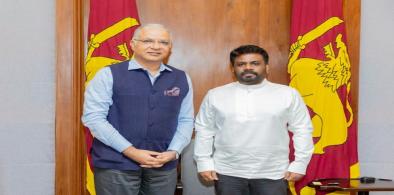
Jaishankar's visit to Colombo: Will it signal continuity or change in bilateral ties under Dissanayake government?
Analysts believe that Jaishanakar's visit will be a significant opportunity for India to reinforce its commitment to providing development support for its strategically situated Indian Ocean neighbor amid worries about a shift in its foreign policy under the new president.
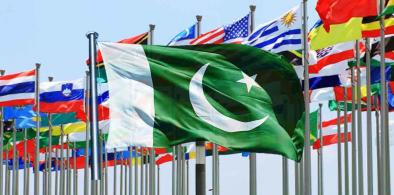
Pakistan seeking to reshape regional dynamics through stronger Central Asia, Azerbaijan ties
Pakistan’s pivot to geo-economics has gained significant momentum, particularly in the context of its deepening ties with Central Asian Republics and Azerbaijan, aligning with the country's goal of becoming a regional trade hub
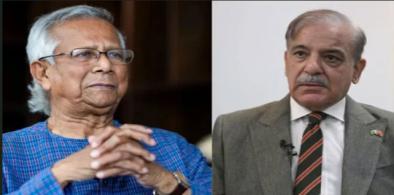
Can Pakistan and Bangladesh overcome historical grievances to redefine relations?
For India, Pakistan and Bangladesh's defence cooperation is reason for concern. The long, porous border between India and Bangladesh, along with New Delhi's historical position as a vital supporter of Dhaka, make any reconciliation between Islamabad and Dhaka a sensitive matter. The weapons agreement, in particular, has fuelled suspicion in India about a potential shift in Bangladesh's outlook, particularly in light of the anti-India rhetoric that surrounded the protests that led to Hasina's removal.
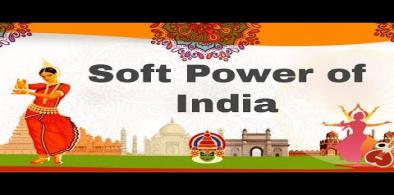
Knowledge diplomacy: India’s missing soft power tool
India’s superpower ambitions require a comprehensive strategy to use the Indian education sector, both private and government, towards advancing India's strategic aims and objectives. A starting point to experiment such knowledge/education diplomacy lies in its neighbourhood.
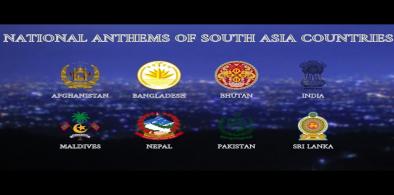
National anthems and identity crises continue to haunt South Asia
However, religion, domestic compulsions and failure to improve political conditions, with or without national elections, have embroiled Afghanistan, Pakistan and Bangladesh, all compounded by economic woes, in issues that impinge on their national identity.