Afghanistan need not immerse itself in the Pakistan-China camp, as it would provoke India and the US. Afghanistan’s foreign policy now requires preparing for a multilateral relationship, prioritizing the economically driven interests of Afghanistan.


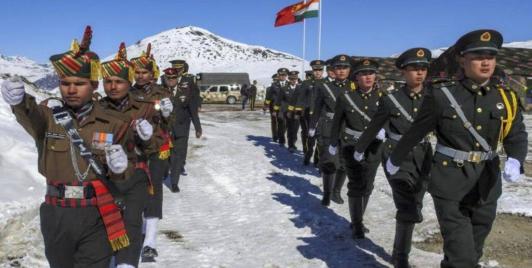
Hopes for Sino-Indian relations centre on a cautious diplomatic thaw, institutionalised border stability and renewed high-level engagement. Indian negotiators and defence planners are well aware that “trust must be verified”. While the activation of these eight points provides valuable channels to prevent an accidental kinetic clash on the ground, the real test of China’s sincerity will not be the joint statements signed in Beijing, but whether it ceases infrastructure build-ups and respects the historical patrolling rights of Indian troops along the LAC.
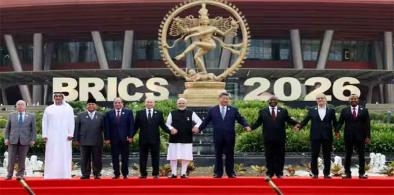
By removing the ‘Indo’ prefix from Indo-Pacific the US implicitly acknowledges that it no longer unilaterally defines the eastern strategic landscape. Regional organisations like BRICS continue to redefine the lexicon of ‘rules-based order’ to insulate themselves from western domination.
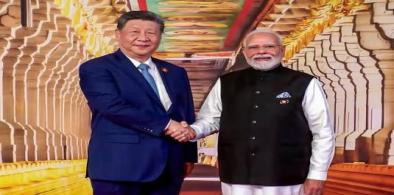
The bilateral discussion between Prime Minister Narendra Modi and Chinese President Xi Jinping on the sidelines of the 18th BRICS Summit indicates surge in mutual ties, particularly by way of trade. However, little can be expected by way of full settlement of the boundary dispute.
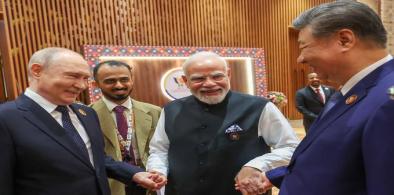
The timing of the EU announcement coincided with the BRICS+ Summit in New Delhi, creating speculation about whether the EU was seeking to reinforce its strategic engagement with India amid the growing influence of the BRICS grouping.
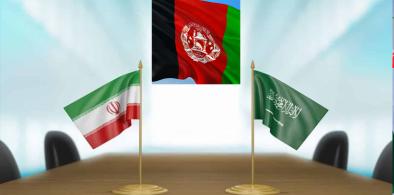
Afghanistan need not immerse itself in the Pakistan-China camp, as it would provoke India and the US. Afghanistan’s foreign policy now requires preparing for a multilateral relationship, prioritizing the economically driven interests of Afghanistan.
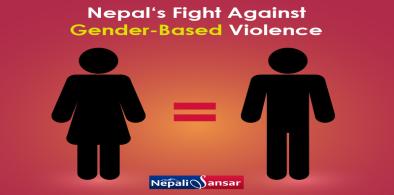
After the 2015 earthquakes in Nepal, human trafficking spiked. There were even early and forced marriages and widows were at risk of receiving unwanted sexual attention. Since there is hardly any gender-neutral discourse to the mitigation of gender-based violence after climate change, attempts are increasingly being made to change the gender-blind discourse on climate change and disaster management.
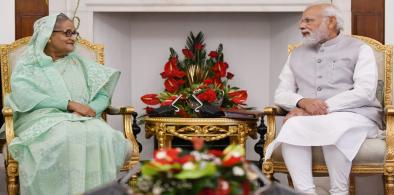
With Bangladesh gaining a strong presence within South Asia, India has also sought to increase energy cooperation with Bangladesh. This is evident from the Modi-Hasina summit in September last year and India’s aim to expand cooperation and dialogue amongst the BBIN countries (Bangladesh, Bhutan, India and Nepal).
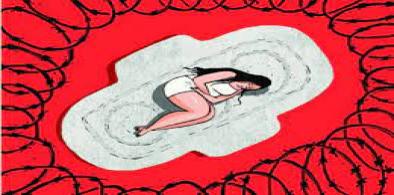
The severity of the period poverty crisis in Sri Lanka calls for immediate action to ensure that the right to dignity of Sri Lankan girls and women is secured. Much responsibility lies in the hands of the government to shape interlinked national policies by correctly recognizing the priorities.

The question is can South Asia's political leadership take that flight of imagination to open the doors to cross-border cultural engagement and let the fusion of regional harmonies create a new cultural identity for South Asia?

Pakistan currently ranks as the ‘second-worst’ among all 146 countries on the Gender Parity Index 2022, trailing only Taliban-ruled Afghanistan, which took the top spot. With over 5,200 women reportedly raped in 2021, the country has one of the lowest rape conviction rates in South Asia – less than 3 per cent.
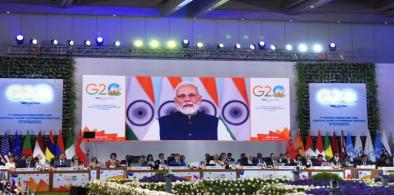
Modi should invite as special guests the literally-sinking SIDS - Vanuatu, Maldives, Sri Lanka and Singapore - as special guests to G20 along with former Maldivian president and present Majlis (parliament) speaker Mohamed Nasheed and Erick Solheim, former environment minister of Norway, who strongly connects South Asia’s climate future to global peace.

Perhaps India would be called upon to do the sub-contract for them under a deal that could be cooked up under the QUAD grouping that was set up in collaboration with India, Japan and Australia to contain China in what they call the Indo-Pacific. A geopolitical battle is certainly hotting up in the Indian Ocean, with IMF very much its centrepiece.
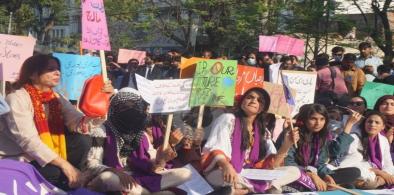
An exhibition based on actual incidents of sexual violence had clothing hanging from clotheslines, a poignant reminder of what rape survivors and victims were wearing when attacked. Approximately eleven women are raped every day in Pakistan.
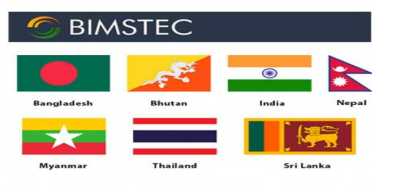
If the Bangladesh-Myanmar-Thailand-India trilateral highway project and the Bangladesh-China-India-Myanmar (BCIM) corridor were integrated, ASEAN members could access the markets of Bangladesh, northern India, and the Himalayan countries of Bhutan, and Nepal.
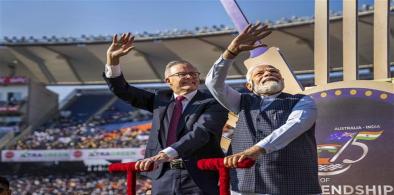
Higher education has emerged as an important linkage between both countries. As Australia seeks to reduce dependence on Chinese students, it would want to attract more Indian students.
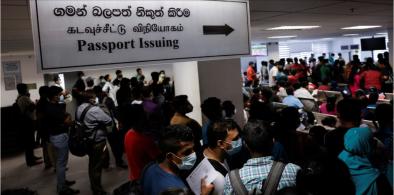
This craze for migration is going to have a huge detrimental effect on Sri Lanka as it will be left with very few skilled workers to develop and contribute to the Sri Lankan economy.

Bhutan and Nepal would also benefit from the pipeline project. The two nations will have the chance to take part in the regional energy market and have access to a reliable energy source. The BBIN region’s economy will grow as the pipeline project fits in with the region’s overarching goal of enhancing integration and connectivity in South Asia.
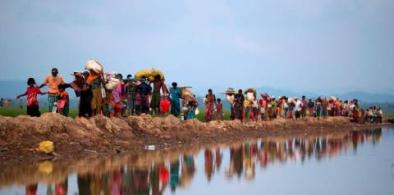
Acting under international pressure, Myanmar has apparently made the decision to reintegrate persecuted Rohingya based on nationality verification - with the repatriated Rohingya being referred to as "Bengali foreigners" - under the active supervision of international organizations and China, the United States, and EU countries.

However, India, China, and other regional actors have yet to establish a firm position on the Rohingya repatriation process and peace talks to end the crisis in Myanmar. While the US is strongly supporting Bangladesh on the Rohingya issue, China and India’s geopolitical and geoeconomic interests in Myanmar have left Bangladesh to manage the Rohingya crisis alone.