Enhanced bilateral ties between Bangladesh and Myanmar could contribute to the growth of trade and investment relations with ASEAN and BIMSTEC countries, writes MD Pathik Hasan for South Asia Monitor


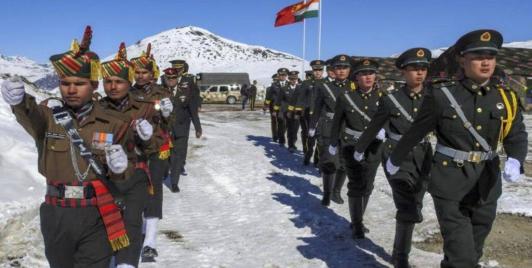
Hopes for Sino-Indian relations centre on a cautious diplomatic thaw, institutionalised border stability and renewed high-level engagement. Indian negotiators and defence planners are well aware that “trust must be verified”. While the activation of these eight points provides valuable channels to prevent an accidental kinetic clash on the ground, the real test of China’s sincerity will not be the joint statements signed in Beijing, but whether it ceases infrastructure build-ups and respects the historical patrolling rights of Indian troops along the LAC.
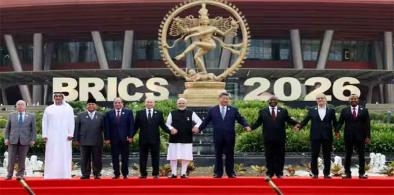
By removing the ‘Indo’ prefix from Indo-Pacific the US implicitly acknowledges that it no longer unilaterally defines the eastern strategic landscape. Regional organisations like BRICS continue to redefine the lexicon of ‘rules-based order’ to insulate themselves from western domination.
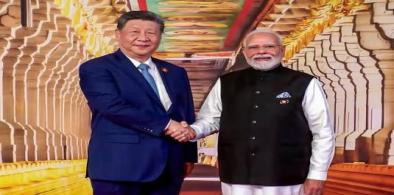
The bilateral discussion between Prime Minister Narendra Modi and Chinese President Xi Jinping on the sidelines of the 18th BRICS Summit indicates surge in mutual ties, particularly by way of trade. However, little can be expected by way of full settlement of the boundary dispute.
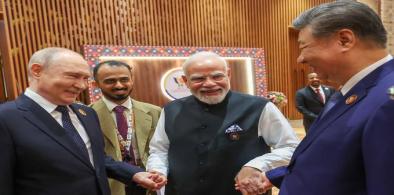
The timing of the EU announcement coincided with the BRICS+ Summit in New Delhi, creating speculation about whether the EU was seeking to reinforce its strategic engagement with India amid the growing influence of the BRICS grouping.
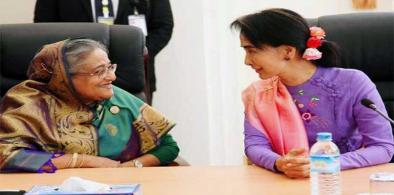
Enhanced bilateral ties between Bangladesh and Myanmar could contribute to the growth of trade and investment relations with ASEAN and BIMSTEC countries, writes MD Pathik Hasan for South Asia Monitor
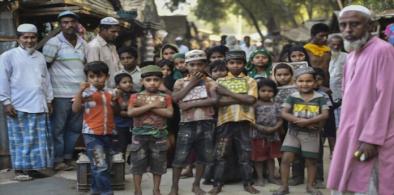
The country expects the world communities to consider all relevant issues including the socio-economic conditions in Bangladesh before making any recommendations to resolve the protracted Rohingya refugee crisis, writes Kazi Mohammad Jamshed for South Asia Monitor

The ISI’s guardianship of terror groups led to the inevitable Talibanisation of Pakistan at the cost of the secular space in politics, writes M R Narayan Swamy for South Asia Monitor

Notwithstanding India not joining the RCEP, it is likely to become the potential gateway for accelerating China’s backdoor entry into India, writes S. Majumder for South Asia Monitor
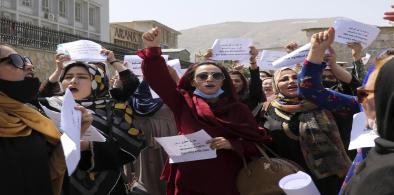
But getting global recognition could be far from easy for the Taliban because the Western countries have a negative perception about them, with many people in these nations still considering them terrorists, writes MD Ishtiak Hossain for South Asia Monitor
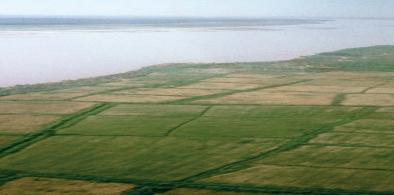
A key facet of the water-energy-food nexus in Pakistan is the heavy dependence of agriculture on groundwater irrigation, write Haris Mushtaq and Taimoor Akhtar for South Asia Monitor
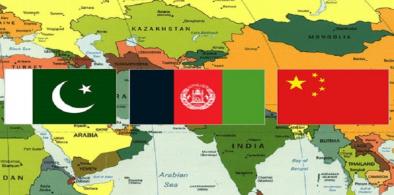
America’s expectations that Afghanistan would not become a haven for terrorists (which it already was) and that the US will remain sheltered from terrorism emanating from that soil, are both misplaced, writes Lt Gen P. C. Katoch (retd) for South Asia Monitor

Once the PTA comes into force, more people in Bangladesh will get access to good apples and oranges from Bhutan, while the fashion-conscious Bhutanese can choose from more varieties of quality apparel from Bangladesh, writes Md Pathik Hasan for South Asia Monitor

The sense of losing everything - after a quarter-century of modernization and social progress - seems to have broken the Afghan women's fear of confronting the Taliban, writes Shraddha Nand Bhatnagar for South Asia Monitor

The difficulty level the current Indian pacers had to overcome to achieve consistency and success in top-flight international cricket is substantially higher than what their counterparts from Pakistan had to surmount decades back, writes Sirshendu Panth for South Asia Monitor
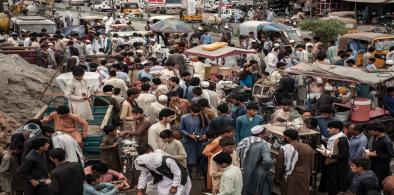
So, what the future looks like for Afghanistan? In one word: hopeless, writes Anondeeta Chakraborty for South Asia Monitor
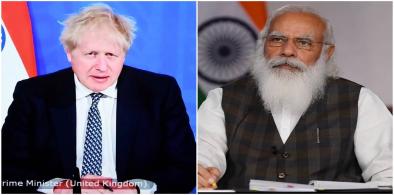
If India seeks greater market access, it must also allow the UK to sell more of its goods and services, writes N. Chandra Mohan for South Asia Monitor
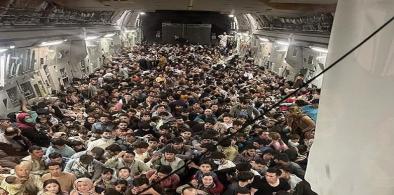
The existing Afghan population in Europe is already facing a compassion deficit in Europe due to the rise in anti-immigrant parties threatening to fracture the bloc further, write Dr. Manasi Sinha, Pratyush Bibhakar and Vishal Rajput for South Asia Monitor
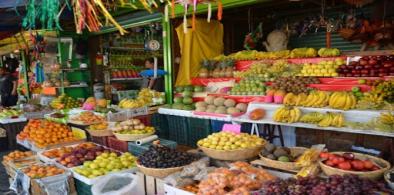
To design sustainable food systems for healthy diets within the South Asian region, one needs to take local realities and contexts into account and develop a strong collaboration among all stakeholders at the grassroots, national, regional and global level, write George Cheriyan and Simi T.B. for South Asian Monitor

Knowledgeable observers, including diplomats who have served there, feet that no Afghan government could ignore India in the long run, because Islamabad could never give what Kabul received from India, something built on the foundation of strong historical, cultural, and people-to-people bonds, writes Tarun Basu for South Asia Monitor