A coinage about the Indian media that has gained currency in recent years is 'godi' media, which roughly translates into lapdog journalism


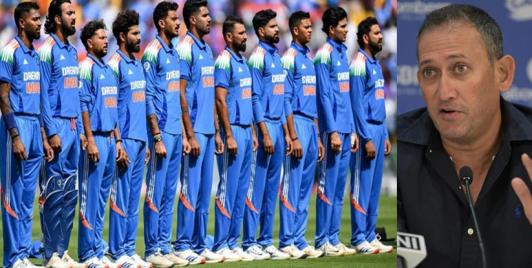
For all the glamour surrounding Indian cricket, the selector remains one of its least celebrated figures. He must look beyond the next headline, the next controversy, and even the next defeat. His finest decisions may never make the headlines. His mistakes certainly will.

South Asia’s climate risks are shared across countries. Rivers such as the Ganga, Brahmaputra and Indus do not respect national boundaries, and torrential rains in one country can lead to floods in another. Satellite data, flood forecasts and flood warnings could, therefore, be shared to enhance disaster preparedness across the region.

The British Council's South Asia dialogue on TNE brought together policymakers, quality-assurance agencies, experts and higher education leaders from five South Asian countries and the United Kingdom. The discussions covered TNE policy, quality assurance, partnership management and mutual recognition of qualifications.
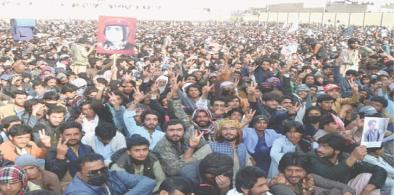
The CMSPP can help Balochistan address one of the most pressing challenges it encounters today – youth unrest and militancy. The radical Islamic groups and terrorist organizations often utilize the discontent of the youth of Balochistan to further their own agendas.

A coinage about the Indian media that has gained currency in recent years is 'godi' media, which roughly translates into lapdog journalism

The murderous police assault, unending beatings and brutal torture which caused the death of two innocent traders, a father and son, in the city of Thoothukudi in Tamil Nadu, is an acute demonstration of a broken criminal justice system and failure to effectively uphold legal protection against police abuse
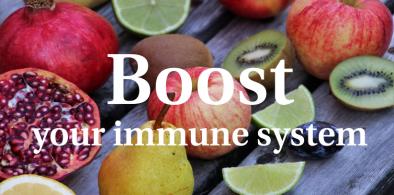
The World Health Organisation (WHO) declared the outbreak of the Severe Acute Respiratory Syndrome Coronavirus 2 (SARS-CoV-2) as the cause of coronavirus disease (COVID-19), a global pandemic which is ravaging the world
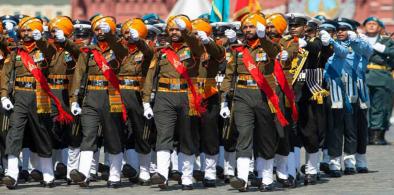
The COVID-19 lockdown ruminations continue even as news comes in about the Indian military contingent in Moscow at the World War II 75th anniversary Victory Day parade
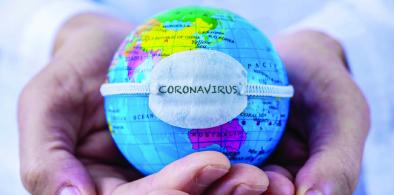
It is clear that COVID-19 has extirpated the global economy, which is based on feeble footings and fallacious credit booms and has brought to light its inherent vulnerabilities and limitations

The COVID-19 lockdown ruminations continue. Lounging around one lockdown day, I got to wondering about this brilliant idea of the General Staff, of getting down to training all army and, by extension, all defence forces' wives
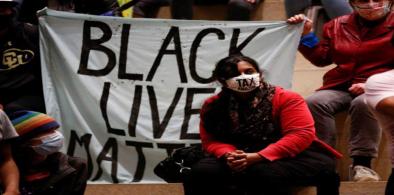
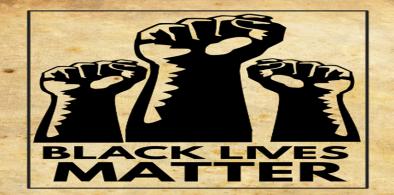
The institutional murder of George Floyd achieved what even a global pandemic could not - it created a furor against systemic inequalities in the United States that regularly devalues the lives of the marginalized
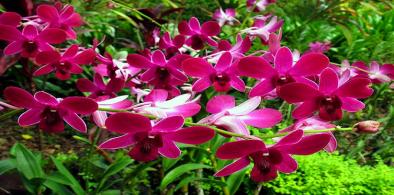
How green was my valley;
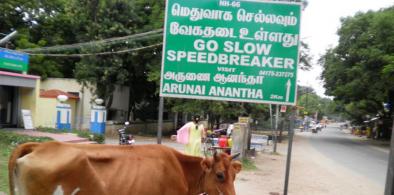
Have you ever seen an Indian walk? They walk with a peculiar jerk (not insinuating anything but merely describing our gait) which is unusual, but unique to each region

As I look up at the sky
Why am I White not Yellow, Brown or Black

On World Environment Day, June 5, 2020, the Indian Navy announced how it has maintained a steadfast focus on a sustainable future while integrating energy efficiency and environment conservation within its operational and strategic roles
If love of Self is, indeed, supreme
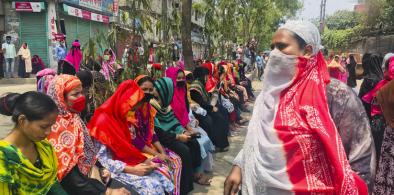
Humanity has been suffering from an unprecedented attack from coronavirus. From beggar to billionaire, everybody is affected in myriad ways. Every country has stretched its full resources and energy to combat COVID-19
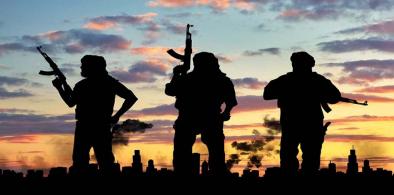
Indeed the word terrorism is one of the most frequently used terms like any other common offenses