Recall Trump’s televised speech from Fort Myer, Arlington (Virginia) on August 21, 2017, sternly warning Pakistan to stop sheltering and exporting terror. But Pakistan never stopped and America signed a Pakistan-scripted peace deal with the Taliban.


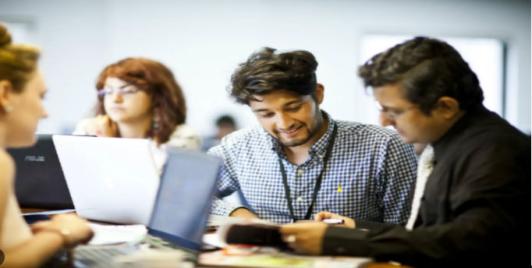
South Asia often discusses youth mobility after a student has already decided to leave the region. A stronger regional system would give students another option before that point: international experience that is close enough to be practical, but different enough to change what they learn.
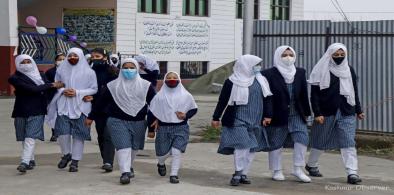
If dummy admissions, prolonged school absenteeism, and an unregulated coaching culture continue unchecked, we may end up producing students who have spent enormous amounts of time and money on education without actually receiving the education they need.
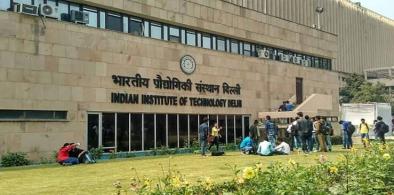
If South Asian governments urgently review and reform their education systems, the region can all benefit within 15 years from our demographic dividend and unleash the region's immense knowledge and growth potential within a generation.New education systems must be interactive and inter-operative to allow free movement of professionals, capital and labour around the region
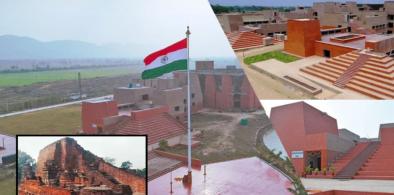
Nalanda serves as a counterweight to the historic monopoly of Western universities over social, political, and ecological theory. It invites Asian and African scholars to address regional dilemmas such as resource sovereignty, post-colonial statehood, and sustainable modernization using indigenous analytical categories.
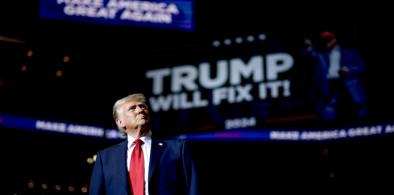
Recall Trump’s televised speech from Fort Myer, Arlington (Virginia) on August 21, 2017, sternly warning Pakistan to stop sheltering and exporting terror. But Pakistan never stopped and America signed a Pakistan-scripted peace deal with the Taliban.
Sustainability is the “pet” word today
Yet, no one has the faintest clue
Why am I not a known name?
Does obscurity bring me peace of mind?
Biden, Putin, Macron,
Zelen, look at the nexus of the letter ‘N’,
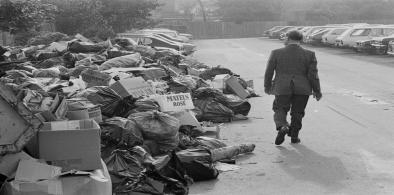
The dark and dreary robe of winter,
The shroud that takes all light away,
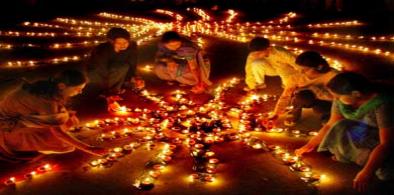
The observance of Diwali has its roots for 186 years since the arrival of the first of East Indians who came here from India, principally Uttar Pradesh and Bihar. They not only contributed to socio-economic development, but engineered a religious and cultural platform. The Indian diaspora proudly celebrates numerous East Indian religious festivals
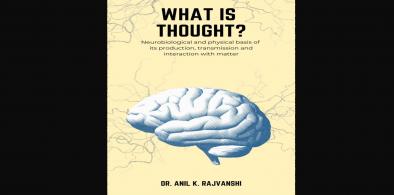
All great discoveries of the world like Einstein’s gravitation theory, Newton’s theory of light, gravity, motion, great music of Beethoven, Mozart among others, and the knowledge of Universe by sages and scientists has been obtained by this process.
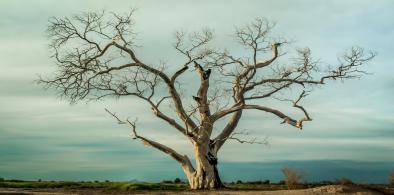
My body is bare from wear and tear,
A victim of the ravages of Man.

Never let loneliness get you down,
Go climb the wall and play the clown,
Frolic around and dance in the rain,

SIFC seeks to lure $20 billion more in FDI focusing on renewable resources, agriculture and technology. Its goal is to stabilize Pakistan's balance of payments by elevating exports and cutting down imports mainly in vital fields like energy and food.
Would ever take the place of a loving heart,
For both light and warmth from within arise
Let's get that straight from the start.

Religion is the bane of the world today
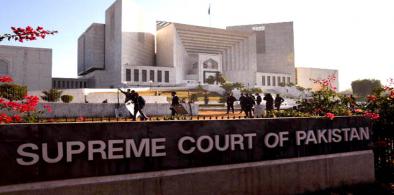
Reforms when implemented, will not only restore public confidence in our justice system but will attract local and foreign investment, paving way for a more stable and prosperous Pakistan.
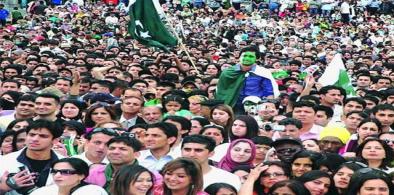
Huge numbers of young people without education, skills, or work possibilities can lead to greater poverty, social discontent, and even radicalisation. According to the United Nations Educational, Scientific and Cultural Organization (UNESCO) 2022 Stats, Pakistan’s youth literacy rate is merely 72.7%.
The Asian American Unity Coalition (AAUC) has announced 2024 Asian American Unity Summit from September 19th to 20th, 2024, to be held at the US Capitol in Washington, DC.