The Baloch National Gathering in Gwadar marks a pivotal moment in the history of the Baloch struggle, symbolizing unity, resilience, and the unwavering pursuit of justice.



South Asia often discusses youth mobility after a student has already decided to leave the region. A stronger regional system would give students another option before that point: international experience that is close enough to be practical, but different enough to change what they learn.
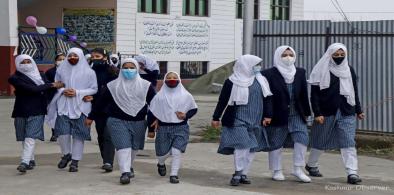
If dummy admissions, prolonged school absenteeism, and an unregulated coaching culture continue unchecked, we may end up producing students who have spent enormous amounts of time and money on education without actually receiving the education they need.
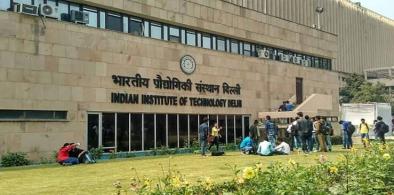
If South Asian governments urgently review and reform their education systems, the region can all benefit within 15 years from our demographic dividend and unleash the region's immense knowledge and growth potential within a generation.New education systems must be interactive and inter-operative to allow free movement of professionals, capital and labour around the region
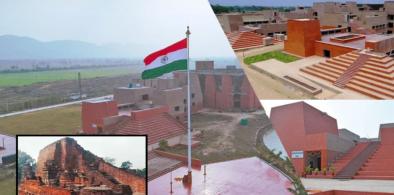
Nalanda serves as a counterweight to the historic monopoly of Western universities over social, political, and ecological theory. It invites Asian and African scholars to address regional dilemmas such as resource sovereignty, post-colonial statehood, and sustainable modernization using indigenous analytical categories.
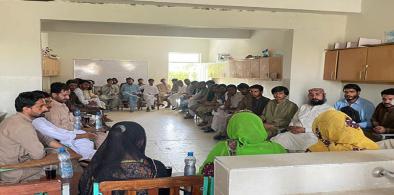
The Baloch National Gathering in Gwadar marks a pivotal moment in the history of the Baloch struggle, symbolizing unity, resilience, and the unwavering pursuit of justice.
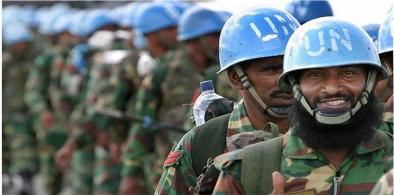
Bangladesh which had only started to recruit women officers in its armed forces in 2000, deployed an all-female police unit in Haiti after the devastating 2010 earthquake where they fought against crimes like rape and assault in addition to protecting humanitarian convoys and preventing civic disorder.

A Canadian inquiry commission implicated Canada-based Babbar Khalsa for bombing Kanishka and killing 329 people, mostly Indians, on board, pointing out a series of errors by the Canadian government, police and security intelligence service; but Canada’s follow up to punish those responsible was pathetic, including letting off the American-origin suspect scot free.
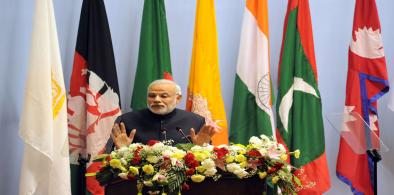
The Southasia Peace Action Network, or SAPAN, who say they are an independent, non-polical, non-partisan alliance of individuals and representatives of various organisations across South Asia and the South Asian diaspora with an agenda for South Asian peace and unity, have written an open letter to Indian Prime Minister Narendra Modi congratulating him for winning a third term and advocating for more inclusive SAARC relations and resuming a dialogue with Pakistan for a cooperative South Asia,
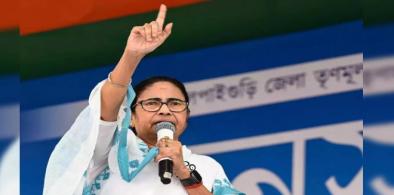
What makes TMC, or its supremo Mamata Banerjee, seemingly unbeatable in West Bengal? Why does she keep winning despite her indifferent governance, multiple scams and embarrassing outbursts in public?
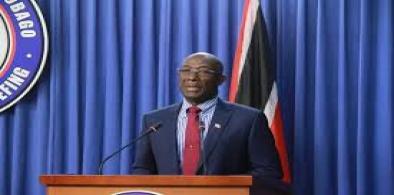
Trinidad and Tobago Prime Minister Dr Keith Rowley has just returned from India where he signed an agreement, among other things, to assist in the establishment of a cricket academy at Trincity in northern Trinidad.
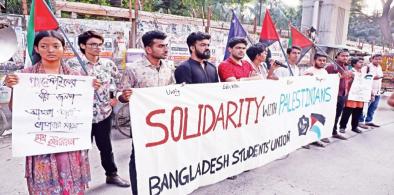
In contrast, the Bangladesh Nationalist Party (BNP) and Bangladesh Jamaat-e-Islam, known as Islamist parties, are maintaining stone-cold silence over Palestine.
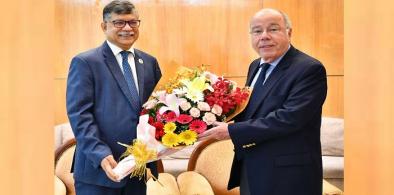
Brazil and Bangladesh have the potential for cooperation in a variety of industries, including agriculture, textiles, technology, and renewable energy, despite their physical distance from one another.

What kind of God was this

By addressing these challenges and implementing these recommendations, we can empower women entrepreneurs in the MSME sector, promote gender equality, and contribute to the socio-economic development of India.
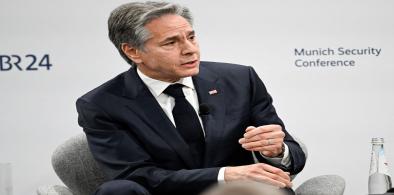
The struggle that the United States has faced to garner support for the Yemen campaign illustrates its diminishing ability to rally its allies to its causes. The lack of nations willing to engage in a war for US interests signals a shift in global dynamics. Even longstanding allies, such as Israel, appear less inclined to align with US policies.
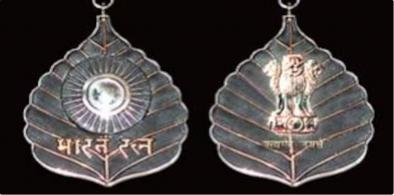
In the choice of these awards Modi has again shown political astuteness and statesmanship of a very high order.
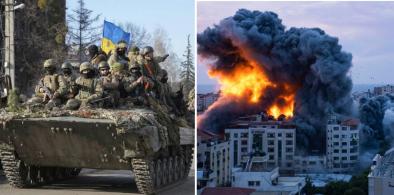
The world has learned nothing in the year 2023 from the miseries suffered by innocent people due to wars and conflicts.
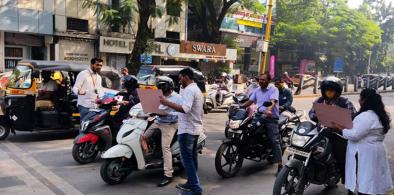
As India positions itself for post-COP28, this youth-led initiative not only captures the attention of the masses but positions youth as catalysts for sustainable transformation.
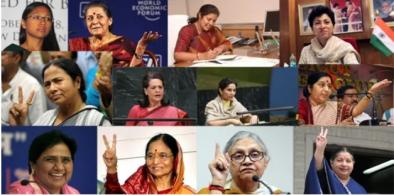
If the lawmakers of our country, those who seek to represent us, have a primitive mindset, how can we expect them to give security, welfare, and protection to the larger female population? Their irresponsible comments can be construed by some as license to commit sexual assaults with impunity.