It is estimated that the Muslim population which is 14.2 per cent as per the 2011 census will stabilize at 18 per cent by 2050 as the trends amongst the Muslim community show.


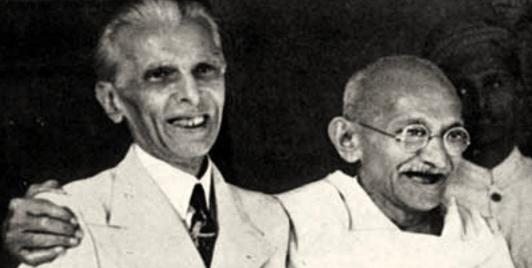
The young need not become another opposition. They could become an independent democratic force that questions every government but belongs to none; that protests when necessary but constructs continuously; that demands accountability from institutions while practising accountability itself.
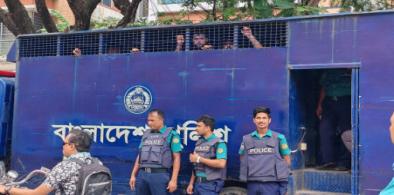
To what extent has the current BNP government been able to realise the vision that drove the 2024 mass uprising in Bangladesh? Will the BNP government, too, manipulate state mechanisms and law enforcement agencies to serve its own interests, much like the previous Sheikh Hasina regime, to suppress the opposition and silence critics? The government must therefore take serious steps to amend police laws and prevent deaths in police custody. This is one of the crucial reforms facing the administration.
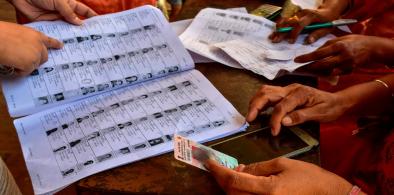
The Commission's authority rests ultimately on public confidence. Like Caesar's wife, the Election Commission must be above suspicion. It should welcome scrutiny and answer legitimate questions, especially when millions of voting rights are involved.
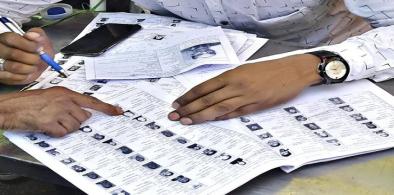
If the government and EC are confident, the answer is not a counter-letter but transparent data: a district-wise, gender-wise audit of deletions, restorations, reasons – all details to be placed on affidavit, as Lokur panel demands.
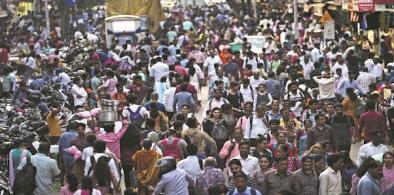
It is estimated that the Muslim population which is 14.2 per cent as per the 2011 census will stabilize at 18 per cent by 2050 as the trends amongst the Muslim community show.

India’s inward remittances keep growing, having more than doubled since 2010, and showing a growth of over 6 per cent per year, ahead of GDP growth. By comparison, China’s inbound remittances have been falling. Pakistan and Bangladesh get about one-fourth of what India gets.
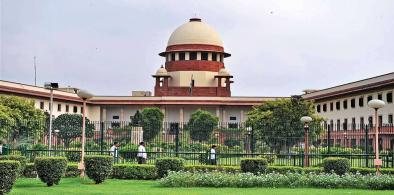
If democracy does survive in this sub-continent, posterity will certainly hail these recently pronounced three judgments as the primary reason for its preservation.
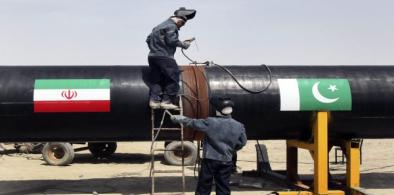
While Iran’s ties with the West, especially US, may have hit rock bottom, Pakistan despite the public posturing will not be able to go ahead with the project at the cost of annoying the US.

At the heart of the violence lies majority triumphalism combined with a systematic denial of knowledge acquisition, specifically histories, for the minority community in Manipur.
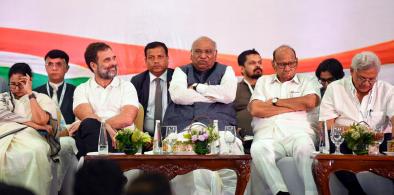
Do note that the BJP because of its sloganeering and expectation-setting has to cross its previous mark of 303 to be seen as victorious; the INDIA alliance has to pull the BJP below 272 to claim victory. Barring the possibility, extremely remote at this time, of the Congress and/or the INDIA alliance faring very poorly at these polls, what we have is a party that will shape the direction of policy in India in the days ahead.

Despite learning a bitter lesson from Covid-19, our governments, whether at the state or national level, have failed to recognise the importance of ensuring trouble-free access to public health.

The rich build gated communities for themselves, in which they pay for their own private services of security, and 24X7 power and water supply. They lose sight of the needs of people living outside their walls.
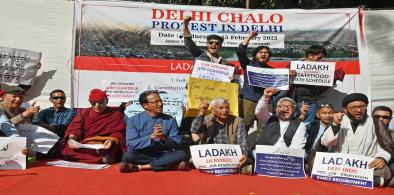
Mixing politics with national security in sensitive border regions like Manipur and Ladakh can cost us dearly. China is a rogue state with aggressive designs and well well-advanced in hybrid and conventional conflict with an expanding arsenal of nuclear weapons.

One of the Sustainable Development Goals of the United Nations calls for a reduction in inequality. On that count, India must exert more by making the income tax net wider and ensuring a lower indirect tax burden
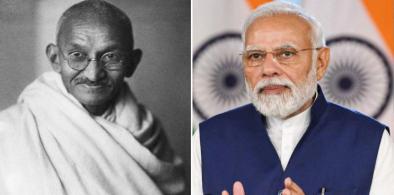
Contrast this exchange against the utterly crass and debased rhetoric, both during the election season and otherwise, that India’s political and cultural leaders, including Prime Minister Narendra Modi, employ.
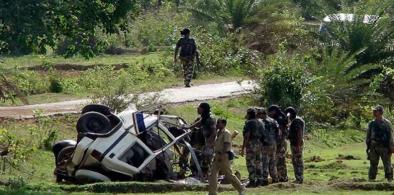
The narratives elucidate how historical marginalisation, compounded by contemporary socio-economic inequities, lays fertile ground for the propagation of Naxalite ideology, which promises liberation from caste-based oppression and economic deprivation.

The war clouds just keep getting thicker and darker. And the warmongers have so far outshouted those pleading for peace. The leaders have failed to bring any sanity, let alone ceasefire or peace talks. All this does not bode well for the Indian economy, which has already been struggling with the challenges of inflation, stagnant private investment, high youth unemployment and widening inequality.
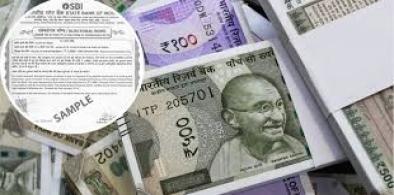
This is the inner rottenness of India’s growth story, a self-imposed colonisation of a nation that has lost its standing, never mind the growing GDP.
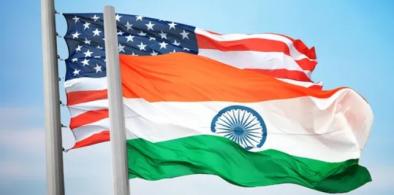
The significance of American investment is that it plays an important role in transforming India’s industrialization and paving the path to challenge China to become the next-generation supply chain hub.