Thousands of Pakistani families are bearing the violation of the right to truth. Balochistan has been confronted with the burning issue of missing persons for the past two decades, writes Nizam Hassan for South Aisa Monitor


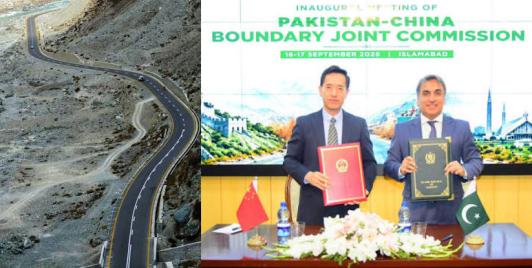
The Pakistan-China Boundary Joint Commission needs to be viewed in backdrop of the fast-changing geopolitics of South Asia and its military implications. The Shaksgam Valley sits immediately north of the Siachen Glacier and just west of Aksai Chin under China's control. By controlling Shaksgam, China can jointly monitor Indian military movements from the north while Pakistan does so from the south.

The question, therefore, is not whether Bangladesh could have secured a particular agreement simply by attending. There is no guarantee that participation in a summit automatically produces investment or diplomatic breakthroughs. The question is whether Bangladesh benefited by being absent.
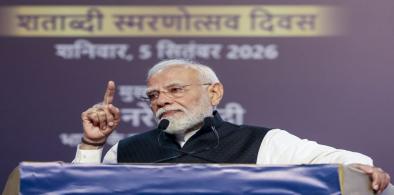
For China to achieve its hegemonic ambitions in Asia, weakening democracies is essential. India, therefore, stands as an iron wall against illiberal encroachments, positioning itself as both a regional hegemon and a defender of democratic order.

The Mecca Pact, barely a month old, has already been discredited. Its authenticity is in question, its efficacy doubtful. The very notion of an “Islamic Nato” has been exposed as a mirage. Collective defence requires not just declarations but capabilities, coordination and political will. None of these are evident in the pact’s functioning.
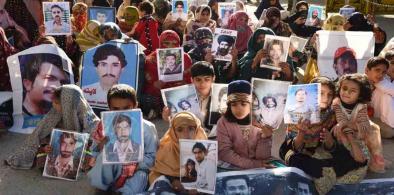
Thousands of Pakistani families are bearing the violation of the right to truth. Balochistan has been confronted with the burning issue of missing persons for the past two decades, writes Nizam Hassan for South Aisa Monitor
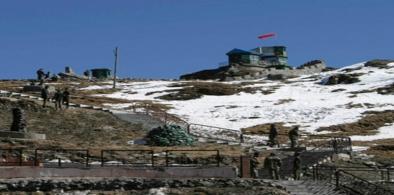
The visit by the Indian Army chief to Bhutan in the backdrop of China’s territorial advances in Bhutan and India have brought into focus China’s future intentions, writes Lt Gen P. C. Katoch (retd) for South Asia Monitor

But even if we put the moral aspect aside and try to be pragmatic, to regard Russia as a future strategic partner is also wrong. It will not bring any benefit - economic or military – to India, write Prof (Dr) Vesselin Popovski, Prof Abhinav Mehrotra and Surabhi Bhandari for South Asia Monitor
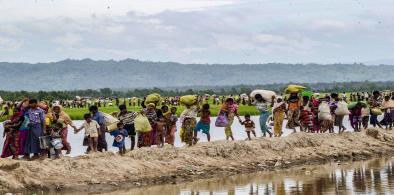
By holding the military accountable for its atrocities against the Rohingya, the ICJ might create the incentive for further international action to ensure justice for all victims of Myanmar’s security forces, writes Dr Arpita Hazarika for South Asia Monitor

The recent executions are an attempt to terrorize the people to move away from that path of dissidence and political activism, writes Sreeradha Datta for South Asia Monitor

High quality STEM education will enable India to lead the world in the evolving technological and knowledge-based economy, writes Amb Sarvajit Chakravarti (retd) for South Asia Monitor
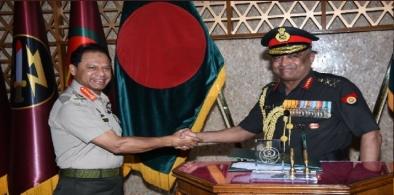
India-Bangladesh bonhomie on the security front has reached newer heights. Their strategic relations will continue to add more depth and momentum, writes Kamal Uddin Mazumder for South Asia Monitor
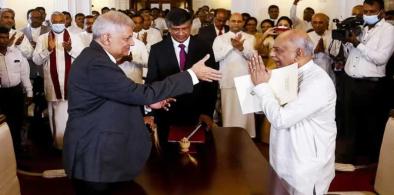
The people have determined that a new political order is required because of the negative experiences from the past, where the legislative and executive powers opposed each other, resulting in instability, writes Sugeeswara Senadhira for South Asia Monitor
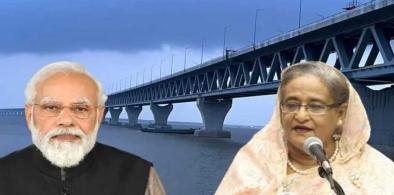
Keeping in mind the economic progress of Bangladesh, it can be said that besides the construction of the Padma Bridge, the new communication system being developed between the two countries will further strengthen their bonds, writes Tapan Das for South Asia Monitor

Bangladesh has already taken cautionary measures to not be a loan defaulter to avoid a Sri Lanka like situation, writes Sufian Siddique for South Asia Monitor
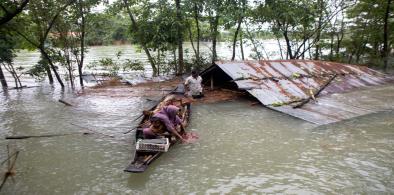
Floods in the Brahmaputra basin in Assam and downstream Bangladesh are common every year, especially during the June-September monsoon that brings South Asia most of its annual rainfall
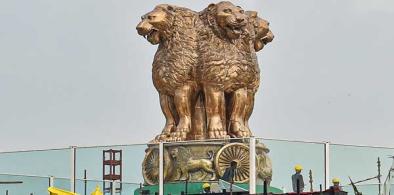
It must be noted that tolerance, acceptability and confidence form a nation’s basic tenets. Aggression, violence and intolerance stall its progress and development, write Abhinav Mehrotra and Dr Biswanath Gupta for South Asia Monitor
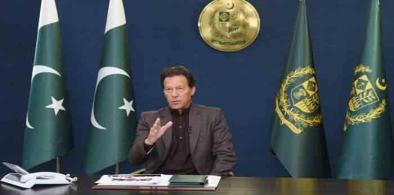
Although the results will change the government in Punjab, a politically important province of 110 million people, its implications may not be limited to the province, writes Shraddha Nand Bhatnagar for South Asia Monitor
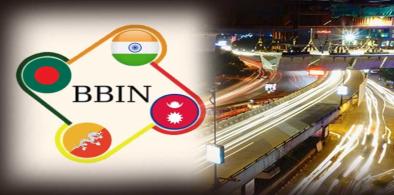
India can also help Bhutan to realize its green goals by promoting hybrid CNG/electric powered passenger and goods transport vehicles. These vehicles may be based at an EV park at Phuntsholing. Goods received there after customs clearance can then be distributed by Bhutan's own transport systems, employing their own nationals as drivers, helpers, mechanics and loaders, writes Amb Sarvajit Chakravarti (retd) for South Asia Monitor

What can we learn from Sri Lanka's disastrous style of ruling, intensification of sectarian divides, marginalization of minorities and power concentrated in autocrats is there for all to see, writes Dr Ram Puniyani for South Asia Monitor