

Breaking the Silence: Child Sexual Abuse Inside Indian Homes
Child sexual abuse within homes must be recognised as a central internal security and public health concern rather than a private family matter. Legal provisions such as the POCSO Act provide a strong framework, but enforcement gaps and social stigma continue to undermine protection. A coordinated response is required: universal child safety education, consistent training for frontline workers, faster court processes, and expanded counselling services across regions.
 Feb 18, 2026
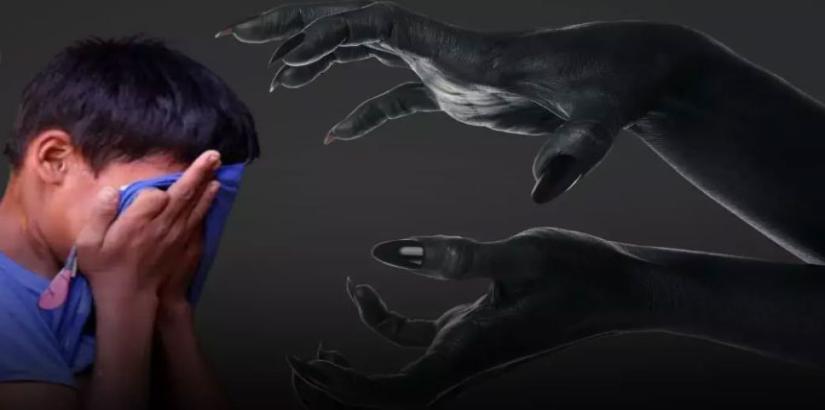
In India, the greatest threat to many children does not come from strangers or unsafe public spaces but from within their own homes. Public discussions on child safety frequently focus on schools, streets, transport systems, and digital platforms. While these concerns are real, they often overshadow a more pervasive and less acknowledged reality: a significant proportion of child sexual abuse is perpetrated by individuals known to the child. Abuse by relatives, neighbours, family friends, or other trusted adults remains one of the most underreported forms of violence against minors. This invisibility is sustained by stigma, fear of social fallout, and cultural taboos surrounding conversations about sexuality within families. Addressing the issue requires confronting not only the scale of abuse but also the structures of silence that allow it to persist.
Official statistics highlight the seriousness of the problem. According to data from the National Crime Records Bureau (NCRB), India records tens of thousands of cases annually under the Protection of Children from Sexual Offences (POCSO) Act. In a large majority of these cases, the accused is someone known to the child. NCRB trends across recent years indicate that in most reported cases of sexual violence against minors, perpetrators are relatives, acquaintances, or neighbours rather than strangers. These patterns challenge common assumptions about risk and reveal that danger is often embedded within familiar social environments.
However, reported cases represent only a fraction of actual incidents. Studies conducted by the Ministry of Women and Child Development and various child rights organisations have long suggested that many children experience some form of sexual abuse but never report it. Fear of retaliation, pressure from family members, and concerns about social reputation discourage disclosure. In conservative social settings, families may prioritise avoiding public scrutiny over seeking justice. Children may be silenced to “protect” family honour, while perpetrators benefit from proximity and trust. As a result, abuse often continues unchecked, and victims are left without support.
Need for Child Safety Education
The domestic context of abuse creates complex power dynamics. Children depend on adults for care, protection, and emotional stability. When the perpetrator is a family member or trusted caretaker, the child may struggle to understand what is happening or may fear the consequences of speaking out. Younger children often lack the language to describe abuse. Older children may worry about being blamed, disbelieved, or punished. In some cases, even when complaints are filed, families withdraw them under social or economic pressure. Such dynamics contribute to low reporting rates and prolonged trauma for survivors.
India’s legal framework has evolved in response to growing awareness. The POCSO Act, enacted in 2012, criminalises a wide range of sexual offences against minors and mandates child-friendly procedures during investigation and trial. Amendments have introduced stricter penalties for aggravated offences, and special POCSO courts have been established to expedite cases. Despite these measures, implementation challenges remain. Thousands of cases are pending in courts each year, and delays in investigation or trial can discourage families from pursuing justice. Survivors often face repeated questioning and long legal processes that can intensify trauma rather than alleviate it.
A major structural gap lies in the lack of consistent child safety education. Many children are not taught about bodily autonomy, consent, or how to recognise inappropriate behaviour. Comprehensive sexuality education remains uneven across states and is often treated as politically sensitive. Without basic awareness, children may not recognise abuse or may internalise blame. Evidence from child protection organisations indicates that children who receive age-appropriate safety education are more likely to report abuse early. Early reporting increases the likelihood of intervention and reduces long-term psychological harm.
Support Systems for Survivors
Institutions outside the family have a critical role in prevention and response. Schools, anganwadi centres, and healthcare providers are often in a position to notice behavioural or physical signs of abuse. Sudden withdrawal, anxiety, aggression, or unexplained injuries may indicate deeper issues. Under the POCSO Act, certain professionals are legally obligated to report suspected abuse. Yet awareness of these responsibilities remains uneven, and training is inconsistent. Strengthening training for teachers, healthcare workers, and social workers can improve early detection and response. Child helplines such as 1098 receive thousands of calls annually, but their reach and responsiveness must be expanded to ensure timely support.
Support systems for survivors require significant strengthening. One-stop crisis centres and child welfare committees provide counselling, medical assistance, and legal guidance, but capacity varies widely across regions. Rural areas often lack trained counsellors and specialised services. Even in urban settings, stigma can deter families from seeking psychological support. Research on child trauma shows that early counselling and sustained mental health care are essential for recovery. Without adequate support, survivors may face long-term consequences such as depression, anxiety, and difficulties in forming trusting relationships. The social and economic costs of untreated trauma extend beyond individuals, affecting education, productivity, and social cohesion.
Internal Security and Public Health Concern
Public awareness campaigns can help shift attitudes. Messaging that frames reporting as a protective act rather than a source of shame can encourage families to prioritise children’s safety. Responsible media coverage can normalise conversations about abuse while protecting survivors’ dignity. Community-based initiatives involving local leaders, women’s groups, and youth organisations can create safer reporting environments. Digital platforms also offer opportunities for confidential reporting and dissemination of information about support services.
Child sexual abuse within homes must be recognised as a central internal security and public health concern rather than a private family matter. Legal provisions such as the POCSO Act provide a strong framework, but enforcement gaps and social stigma continue to undermine protection. A coordinated response is required: universal child safety education, consistent training for frontline workers, faster court processes, and expanded counselling services across regions. Public messaging must emphasise that reporting abuse protects families rather than disgracing them. Homes should be spaces of trust, not silence. Protecting children is a collective responsibility and a measure of societal credibility. Real progress will depend on sustained political will and the courage to confront abuse where it most often occurs—within familiar relationships.
(The author is a postgraduate researcher in political science. Views expressed are personal. She can be contacted at chanchalchaudhary.research@gmail.com )





Post a Comment