Given their situation, the only reason most Afghan refugees are staying on in India is to get a chance to go to any European country, writes Khatima Emami for South Asia Monitor


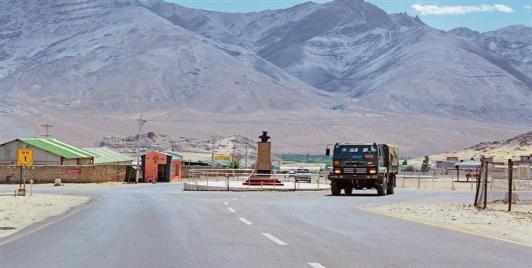
The face-offs in Arunachal Pradesh—specifically around areas like Asaphila, Taksing, and Maza—have reignited intense debate regarding Beijing's commitment to bilateral border agreements. That China signs agreements it has no intention of following on the ground is a perception shared by many Indian diplomatic and security experts.

Progress on the Ganga could also build the trust needed for wider cooperation among Bangladesh, Bhutan, India and Nepal in electricity trade, connectivity and climate adaptation. Both governments should act now.

Border settlements, transportation networks, surveillance grids, and civilian administration now work alongside conventional defense planning to strengthen Beijing’s claims. Understanding China’s rise requires attention not just to military power projection but also to these quiet instruments of authority.
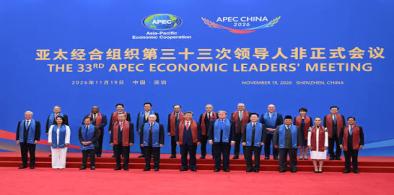
That is the paradox of Shenzhen. An odd summit, convened by three leaders with different compulsions, produced an anodyne declaration that nevertheless impinges onto India's core concerns: UN reform without India, ICC impunity versus UNCLOS, and energy through Hormuz.

Given their situation, the only reason most Afghan refugees are staying on in India is to get a chance to go to any European country, writes Khatima Emami for South Asia Monitor

In a tumultuous fortnight, during which many an illusion was shattered at the turn of the year, some home truths emerged in the chronically accident-prone ties between India and Pakistan