The EU therefore will need to depend on other regions to bridge the manpower gap and South Asia could be an important source, but global partnerships in skilling will need to happen in a big way.


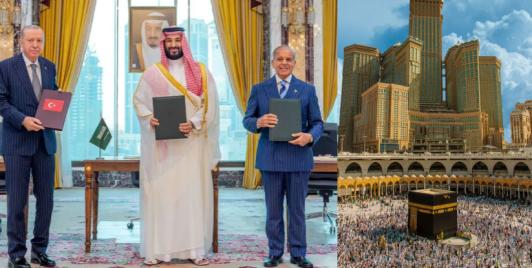
The Mecca Pact, barely a month old, has already been discredited. Its authenticity is in question, its efficacy doubtful. The very notion of an “Islamic Nato” has been exposed as a mirage. Collective defence requires not just declarations but capabilities, coordination and political will. None of these are evident in the pact’s functioning.
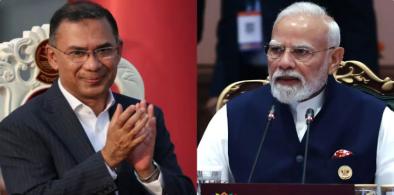
A more sensible and balanced engagement with India might help Bangladesh maintain its national interests while boosting its competitiveness in the region as it moves into the post-LDC transition period. A bilateral visit should happen soon to address Bangladesh's food, fertiliser and fuel shortages.
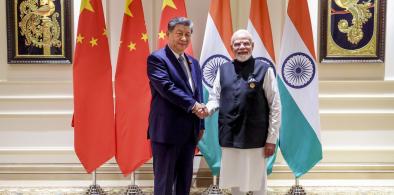
The real change, then, is not merely that Chinese media sounded friendlier towards India. It is that they assigned India a different place in the story. New Delhi appeared as a complex but consequential partner, whose strategic autonomy and cooperation matter to China's imagining of a changing world order.
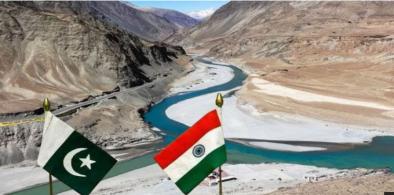
Pakistan, for its part, will have to recognise that the old assumption of an immutable treaty operating independently of the broader India-Pakistan relationship has become untenable. Islamabad cannot expect the water relationship to remain insulated indefinitely from terrorism
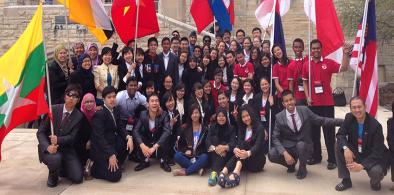
The EU therefore will need to depend on other regions to bridge the manpower gap and South Asia could be an important source, but global partnerships in skilling will need to happen in a big way.
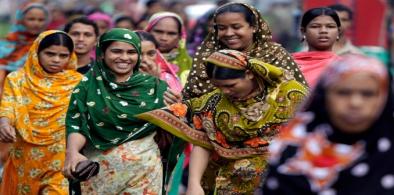
Women have to take risks at every step while walking down the streets. In the vast area of Bangladesh, there is hardly any place where a woman can breathe safely. Hatred towards women is being spread at every level of society.
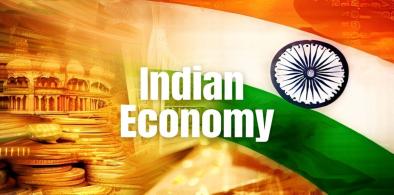
The two major reforms in labor and land policies being politically sensitive will be a dampener if not implemented. These are political decisions much like the aborted advantageous farm reforms.
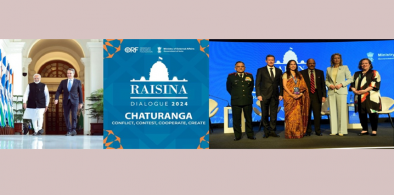
Building trust within our societies and institutions is paramount, as evidenced by the correlation between trust levels and resilience during crises such as the COVID-19 pandemic.
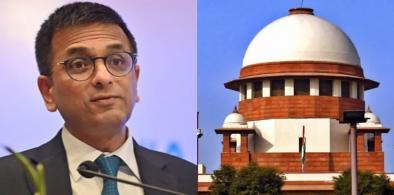
What is of significance and runs parallel in both the above verdicts is the Supreme Court's innate concern for upholding democratic values in the Indian polity.

The United States wants to keep the South Asian region stable, seeking to neutralize the overdependence of any nation on China. Bangladesh, because of its geostrategic position, is being lured to align Dhaka with Washington’s strategic objective for a free and open Indo-Pacific.
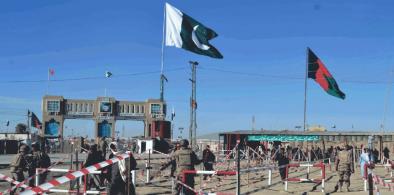
While the contentious Durand Line has become one of the main reasons for cross-border skirmishes between Afghanistan and Pakistan, the Taliban has turned from being seen as an ideological ally that can give Pakistan 'strategic depth' against India, to a troublesome neighbour that is now viewed with deep suspicion.
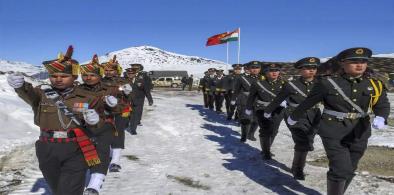
Since 2019, China has been building 628 dual-use military villages (termed ‘Xiaokang’ or ‘well-off’ villages) along the southern border of the Tibet Autonomous Region (TAR), including inside Bhutan and in Arunachal Pradesh, India.

Diplomatic efforts must be intensified to address the ongoing border situation with China and safeguard Bhutan's sovereignty. It is also imperative to address the unresolved Bhutanese refugee issue and protracted family separation among Bhutanese Americans.
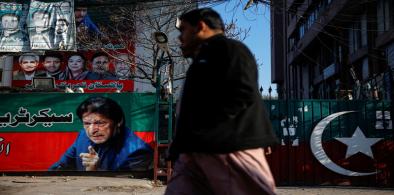
The time has come to drastically curb the unchecked and ultra-constitutional powers of the army chief, subject the intelligence agencies to public scrutiny and accountability, and limit their influence over domestic and foreign policy.

Much more violence could be expected in Manipur, with Meitei radicals waging all-out war against the Kuki-Zo, with Nagas fearing they would be the next target since the Arambai Tenggol alone outnumbers the tribals of Manipur hugely.

The Maldives has undergone a radical transformation. To see this as playing the India or China card would be a miscalculation. Indeed, the strategic narrative of what is going on is very different.

While the NPP’s visit to India exemplifies changes in its political understanding, it has an important dimension in Sri Lanka's domestic politics. New Delhi appears to have judged that the NPP coalition has the potential to play a decisive role in the upcoming presidential election.
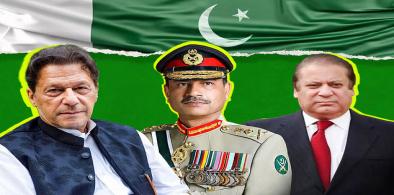
The Pakistani military went all out to deliver this vote. Its idea to have direct control of the political situation to what it comprehends will bring stability to Pakistan’s crisis may be a pipe dream with a fractured verdict leaving Pakistan open to elements that will only compound its instability.
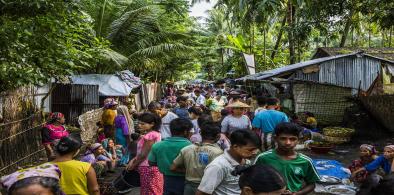
Rakhine's lack of effective government structure and civil order will continue to be a significant source of worry for the region, particularly in terms of humanitarian, security, economic, and political issues.