Just interludes of joy and happiness



South Asia often discusses youth mobility after a student has already decided to leave the region. A stronger regional system would give students another option before that point: international experience that is close enough to be practical, but different enough to change what they learn.
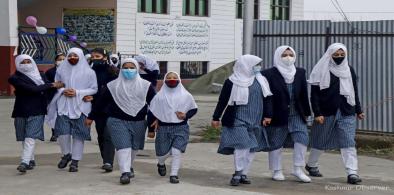
If dummy admissions, prolonged school absenteeism, and an unregulated coaching culture continue unchecked, we may end up producing students who have spent enormous amounts of time and money on education without actually receiving the education they need.
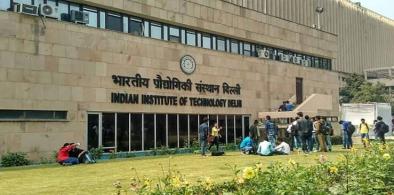
If South Asian governments urgently review and reform their education systems, the region can all benefit within 15 years from our demographic dividend and unleash the region's immense knowledge and growth potential within a generation.New education systems must be interactive and inter-operative to allow free movement of professionals, capital and labour around the region
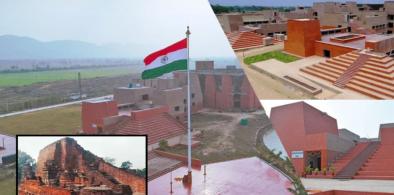
Nalanda serves as a counterweight to the historic monopoly of Western universities over social, political, and ecological theory. It invites Asian and African scholars to address regional dilemmas such as resource sovereignty, post-colonial statehood, and sustainable modernization using indigenous analytical categories.

Just interludes of joy and happiness

Ten months into the pandemic, handwashing with soap remains one of our best defences against the virus, along with other public health measures such as maintaining physical distance, avoiding crowded places, practising cough etiquette and wearing a mask wherever recommended

When we’ve lived our lives to the fullest
The recent assault and abuse of a poor and innocent woman in Hathras, Uttar Pradesh has justifiably raised nationwide concern and condemnation

Just interludes of joy and happiness
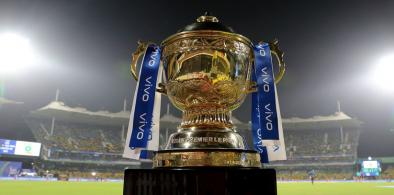
Here we are then, the IPL has got firmly embedded in our collective and individual consciousness. Daily routines are configured now to cater for the timings. Time to get updated on some lesser-known aspects
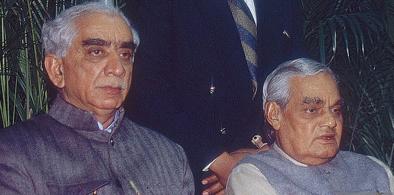
One of Jaswant Singh's finest meetings was with the New York Times editorial board, where members extensively asked about the Indian nuclear programme and why India wasn’t signing the Non-Proliferation Treaty. He patiently and firmly placed India’s position, writes Sanjoy Hazarika for South Asia Monitor

Seats of Power, red and white houses
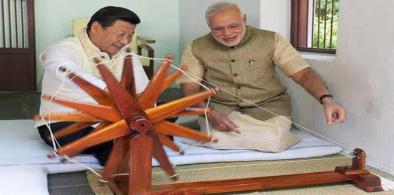
India may be considering itself a regional power but is still far from being a global power

It’s a different ball game, this Indian Premier League (IPL) - the world's most popular and most lucrative T20 league - for the players and the spectators as all parties have realised

Beyond what I can see with the naked eye

Cash-less life is a good life

Break down the boundaries

Activism is a glorious concept, which means that activists are defenders of what they perceive to be truth, courageous persons who stand up to the cause dear to their heart at any cost and honest crusaders who would dispassionately analyse the happenings and events and take a firm stand
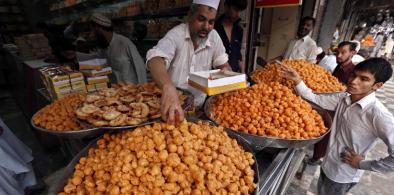
Fifteen countries, including five in South Asia, account for approximately two-thirds of the worldwide deaths linked to trans fat intake, the World Health Organization (WHO) has said