If elected, Pakistan, which has used every opportunity at the UN to bring up Kashmir even on unrelated discussions, can be expected to keep harping on it on a platform that will give it more visibility.


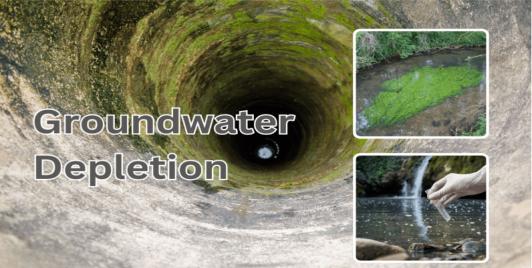
The UN's 2026 report warns that “long-term water use has exceeded renewable inflows and safe depletion limits,” leaving some water supplies beyond recovery. As the world’s largest groundwater extractor, India sits at the centre of this reckoning
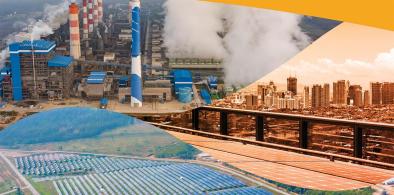
The larger economic choice for South Asia is therefore broader than whether to participate in carbon trading. The region can remain primarily a supplier of relatively inexpensive mitigation outcomes, or it can also develop the technology, professional capacity, financial products and verification systems that determine what those outcomes are worth.

On top of that is our own unsustainable living that is creating large-scale havoc on the planet. They include construction of large dams, roads, and tunnels in the fragile Himalayan region. These activities together with the melting of glaciers due to global warming are bound to create worse natural disasters in the coming years.
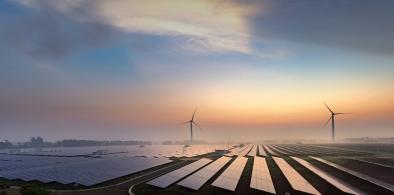
The regional opportunity is particularly significant in electricity. Nepal and Bhutan can potentially export hydropower; India can provide the scale of demand and investment required to create a regional electricity market; Bangladesh can become an important electricity consumer; and Sri Lanka and Pakistan can expand solar and wind. Greater cross-border electricity trade could allow countries to exploit complementary renewable resources and reduce the need for expensive domestic backup capacity.
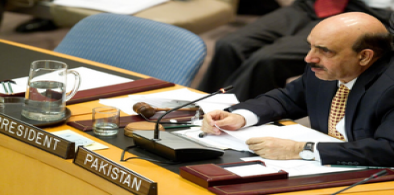
If elected, Pakistan, which has used every opportunity at the UN to bring up Kashmir even on unrelated discussions, can be expected to keep harping on it on a platform that will give it more visibility.
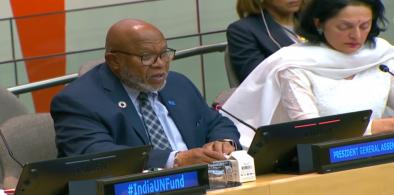
India’s Permanent Representative Ruchira Kamboj said, “India stands as a pillar of leadership and advocacy for the Global South”.
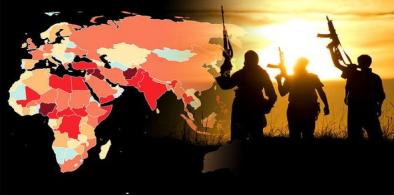
The justification of terrorism has prevented the adoption of the CCIT and Pakistan presents the prime example of this ideology.
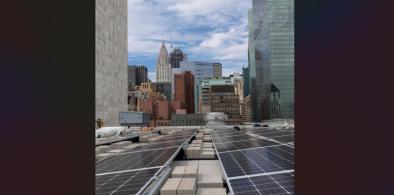
An unusual project of the Fund was to install solar panels on the official residences of heads of state of 11 Pacific island nations as a way to highlight the importance of solar power and demonstrate its use.
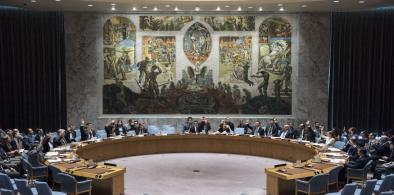
A 12-member group of countries known as Uniting for Consensus, which is led by Italy and has Pakistan as a leading member, has used procedural tactics to prevent the adoption of a negotiating text because they oppose expanding the permanent membership of the Council, a demand of the majority of UN's 193 members.
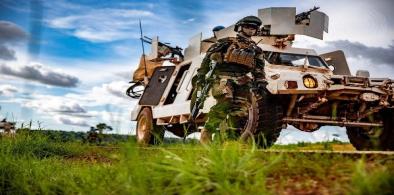
It was the second deadliest peacekeeping operation - 310 peacekeepers have died in the mission, 18 from Bangladesh, according to UN data.
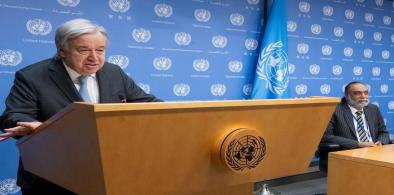
Guterres cast a wide net for talent to be on the panel, which includes government officials and religious leaders, academics and activists, and business figures from technology companies like Google and Sony, drawn from every continent.
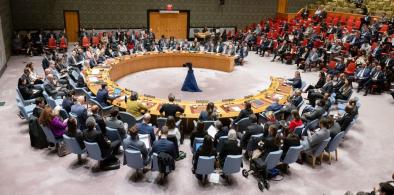
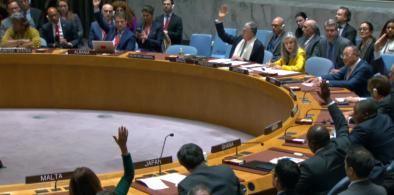
Four resolutions on Gaza have failed at the Council in the last ten days, with Russia and the US vetoing one each, illustrating the inefficacy of the UN’s highest decision-making body when the national interests of the permanent members collide.
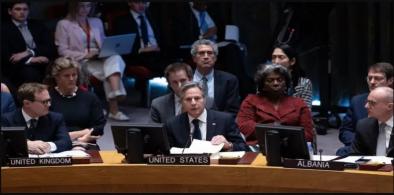
Some have suggested that Western countries have double standards in how they view Palestinian and Israeli lives....Blinken said, “There is no hierarchy when it comes to protecting civilian lives. A civilian is a civilian is a civilian, no matter his or her nationality, ethnicity, age, gender, faith”.
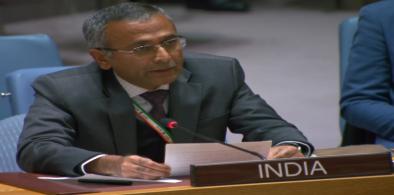
He said that “India backed the establishment of a sovereign, independent and viable state of Palestine, living within secure and recognised borders, side by side in peace with Israel, taking into account the legitimate security concerns of Israel”.
It is this facile logic of Pakistan and some other countries that terrorists deemed by a country to be “freedom fighters” are not terrorists that has impeded the adoption of an international convention against terrorism proposed by India.
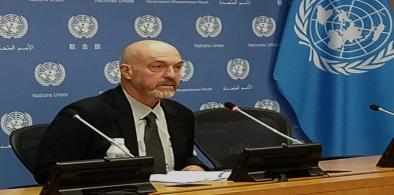
Amnesty International said that its 2018 report on the massacre of the Hindus was “based on dozens of interviews conducted there and across the border in Bangladesh, as well as photographic evidence analysed by forensic pathologists”.
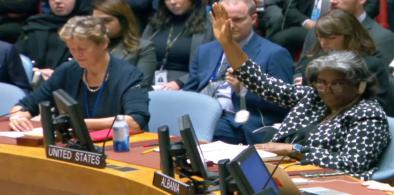
The US sole negative vote that was a veto of the Brazil-sponsored resolution plays into the hands of the Palestinians and Russia by showing Washington’s isolation from even its allies on the broader situation.
Guterres has said that the Middle East is on “the verge of an abyss” and called on Israel to lift the blockade on Gaza where food and water supplies are perilously dwindling and people are not able to move out.
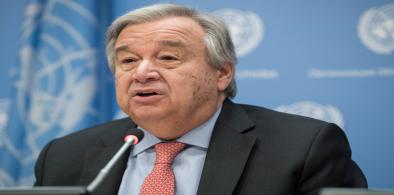
Guterres also said that he was “deeply distressed” Israel’s “complete siege” of the Gaza Strip and added that the already “dire” situation there will “deteriorate exponentially”.