Six South Asian nations will be vying for the trophy in the tournament that will be played in Sri Lanka and Pakistan. India and Pakistan, which have few avenues for direct people-to-people contacts, will face off in Kandy in Sri Lanka on Saturday.


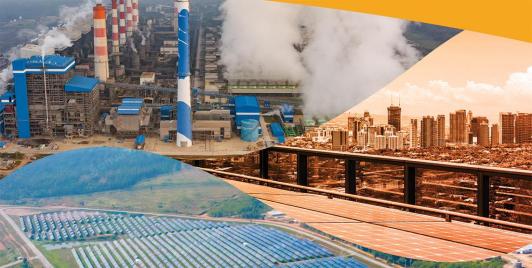
The larger economic choice for South Asia is therefore broader than whether to participate in carbon trading. The region can remain primarily a supplier of relatively inexpensive mitigation outcomes, or it can also develop the technology, professional capacity, financial products and verification systems that determine what those outcomes are worth.
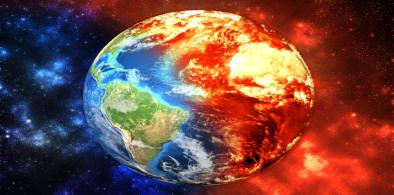
On top of that is our own unsustainable living that is creating large-scale havoc on the planet. They include construction of large dams, roads, and tunnels in the fragile Himalayan region. These activities together with the melting of glaciers due to global warming are bound to create worse natural disasters in the coming years.
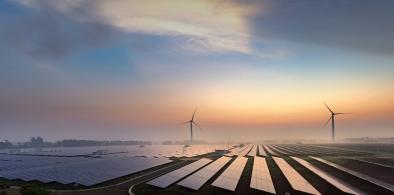
The regional opportunity is particularly significant in electricity. Nepal and Bhutan can potentially export hydropower; India can provide the scale of demand and investment required to create a regional electricity market; Bangladesh can become an important electricity consumer; and Sri Lanka and Pakistan can expand solar and wind. Greater cross-border electricity trade could allow countries to exploit complementary renewable resources and reduce the need for expensive domestic backup capacity.
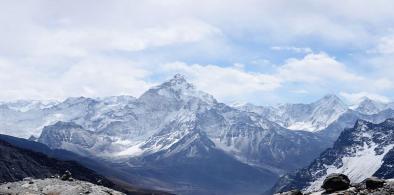
A genuinely regional approach could eventually include - besides Nepal, China and India - Bhutan and, where relevant, downstream institutions in Bangladesh. Organisations with established Himalayan expertise, particularly the International Centre for Integrated Mountain Development in Kathmandu, could offer scientific and institutional support.
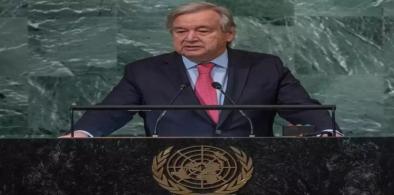
Six South Asian nations will be vying for the trophy in the tournament that will be played in Sri Lanka and Pakistan. India and Pakistan, which have few avenues for direct people-to-people contacts, will face off in Kandy in Sri Lanka on Saturday.
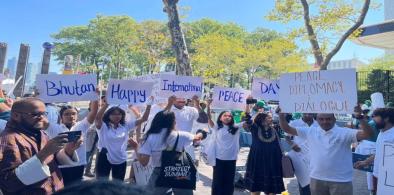
As an organisation committed to promoting peace and reconciliation, Peace Initiative Bhutan “aims to foster an atmosphere of trust, understanding, and collaboration among Bhutanese communities and the government of Bhutan.”
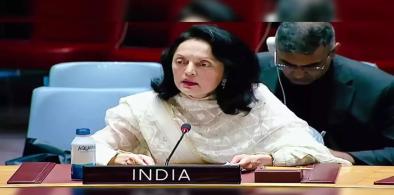
“A very significant number of scientists who worked on India's moon mission Chandrayaan 3 are women, very much in sync with India's model of women-led growth and development and also linking beautifully with SDG 5, which is all about gender equity”, Kamboj said.
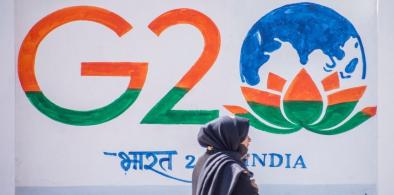
“Bringing traditional medicine into the mainstream of health care – appropriately, effectively, and above all, safely based on the latest scientific evidence – can help bridge access gaps for millions of people around the world”, the UN spokesperson said.
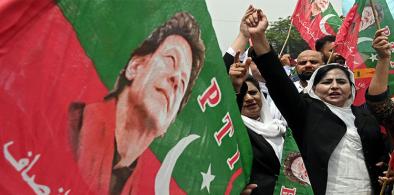
Khan and his party have called for peaceful protests but the response has been feeble and the expected mass demonstrations have not materialised so far unlike in May when he was arrested on corruption charges.
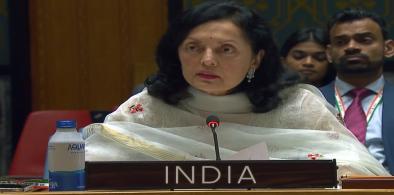
It was a tacit criticism of Russia for dumping the UN-sponsored agreement that allowed Ukraine to export foodgrains through Black Sea ports.
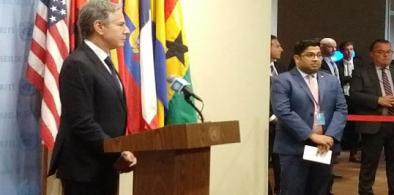
Blinken warned that by 2050 when the world’s population could reach 10 billion, “climate change could cut output by as much as 30 per cent even as global food demand increases by over 50 per cent”.
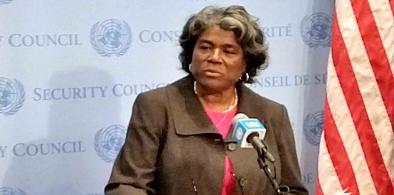
“Our second area of focus is the protection of human rights and fundamental freedoms around the world”, Thomas-Greenfield said.
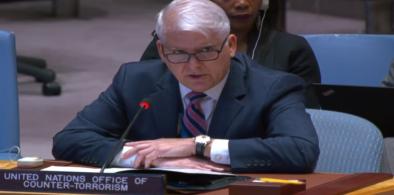
The Council’s statement that “reiterated that any acts of terrorism are criminal and unjustifiable, regardless of their motivation, wherever, whenever and by whomsoever committed”, was unanimous, even though one of its permanent members, China, often comes to the aid of Pakistan-based terrorists and protects them against sanctions.
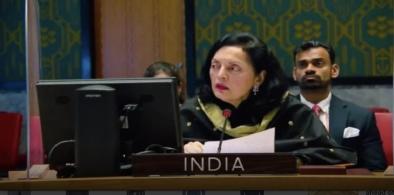
Maintaining New Delhi’s delicate balancing act on the Ukraine issue over which it faces tremendous pressure from the West, while being dependent on Russia for crucial defence and energy needs, she did not name either country.
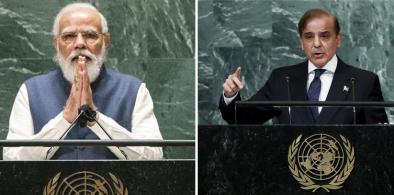
Guterres will expect Modi to come up with concrete proposals to raise India’s goals to fight climate change.
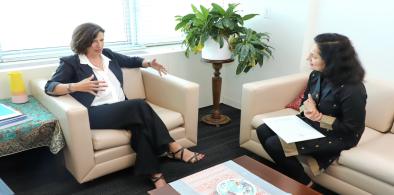
Hindi was introduced in the UN by former Prime Minister Atal Bihari Vajpayee who became in 1977 the first Indian official when he was the external affairs minister to speak at the UN in the language.
Guterres, who was speaking at the release of the report on the international debt problem by the UN Global Crisis Response Group (GCRG), said, “Half our world is sinking into a development disaster, fuelled by a crushing debt crisis”.
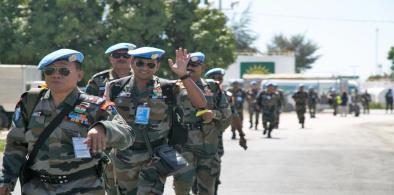
Indian Central Reserve Police personnel served with MINUSTAH and MINUJUSTH for 11 years starting in 2008 to the UN operations’ end in 2019.
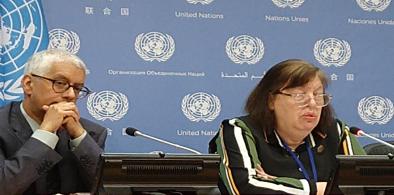
Explaining the steps involved in getting India off the list, Gamba said, “India came forth two years ago to our offices and to our people on the ground, resident coordinator in Delhi as well as the UNICEF representative in the country, and indicated that they were ready to start engagement to see if they can put in place measures that could be sustained through time that would allow for them to be removed”.