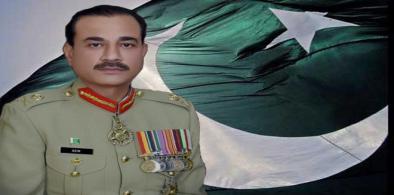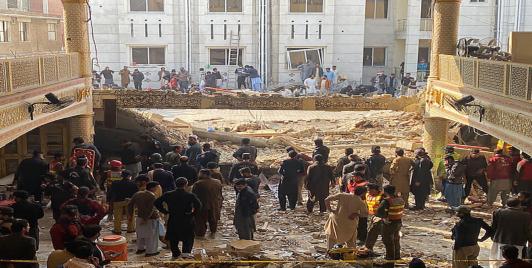

Political instability is a perennial phenomenon in Pakistan but the present one appears to be more damaging as it has occurred at a time when the country is also experiencing one of the worst economic crises in decades
Any further instability in the region carries security implications for both countries. Escalating unrest along an already sensitive frontier can heighten tensions and reduce the already limited space for dialogue between New Delhi and Islamabad.
Rightly, India is now treating mass irregular Rohingya migration as an engineered, hybrid national security threat that requires a coordinated border guarding, diplomatic, and legal response.
Ultimately, sustainable peace between India and Pakistan cannot be built merely through meetings or declarations. It requires a fundamental transformation in Pakistan's approach towards terrorism, regional stability and bilateral relations. Until that happens, comprehensive dialogue is unlikely to produce meaningful outcomes.
When a Chinese company won the contract to establish hybrid wind and solar energy projects on three islands off the northern Jaffna peninsula—just 45 km from Rameswaram in Tamil Nadu—the security implications extended far beyond economics. Against this backdrop, India’s concerns are entirely justifiable. Sri Lanka faces a pressing question: how will the nation confront the infiltration of Chinese global criminal networks? Since Mahinda Rajapaksa’s tenure, Chinese presence in Colombo has steadily increased, with Sri Lanka positioned as a partner state in Beijing’s Belt and Road Initiative.
Political instability is a perennial phenomenon in Pakistan but the present one appears to be more damaging as it has occurred at a time when the country is also experiencing one of the worst economic crises in decades
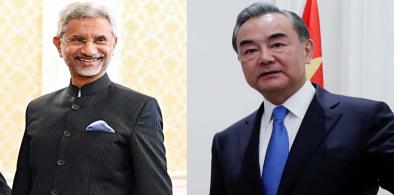
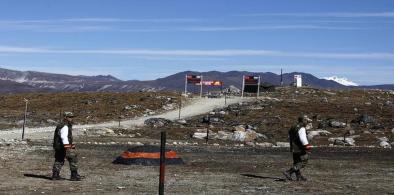
It is quite possible that the Indian side conveyed to Beijing that with China’s rigid stance on the border standoff, Prime Minister Narendra Modi may consider it difficult to attend the summit, and more importantly, a one-to-one meeting between PM Modi and Chinese President Xi Jinping may not be possible unless Beijing shows some progress on further disengagement
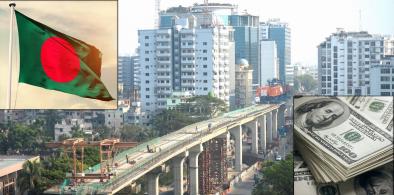
Cooperation during the visit extended to all fields, including trade and commerce, power and energy, transport and connectivity, science and technology, rivers, and maritime affairs
These fault lines can be repaired by greater societal interaction – holding roadshows to attract tourists is one thing, but arranging inter-community interactions between Kashmiris and social groups in the rest of the country to dispel the mutual distrust is quite another one. The work is yet to begin on this front
Climate experts opine that climate change has caused unpredictable and inconsistent weather conditions in Pakistan resulting in excessive monsoon rains, cloudbursts and extreme melting of glaciers which have finally swelled the rivers which are the genuine cause behind destructive floods across Pakistan
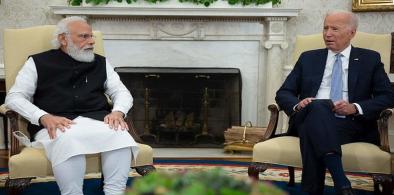
India’s reluctance to ink comprehensive FTAs contrasts with the enthusiasm of the UK to stitch up such deals with the bustling Indo-Pacific region, especially with the 11-member Comprehensive and Progressive Agreement for Trans-Pacific Partnership that includes the fast-growing Vietnam, Malaysia and Mexico, by the end of 2022
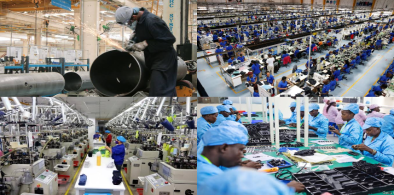
China has already surpassed India in its volume of trade with Bangladesh and is fast catching up to replace it as the top trading partner of Sri Lanka and Nepal. It has extended aid and financial assistance to these states that surpass India’s aid to them
With her Awami League in power since 2009, Bangladesh has seen the army keeping away from a political role, has witnessed relative political stability and rapid economic strides, marking higher human development indicators better than most others in South Asia
South Asia will require at least another decade to recover from the sociological maladies of the post-pandemic global transformations. The looming economic crisis in South Asia may also cause multiple regime changes in the region, potentially producing greater political instability
Therefore, to create greater understanding between the civil societies of South Asia, we must encourage far more civil society interaction on B2B and people-to-people basis.
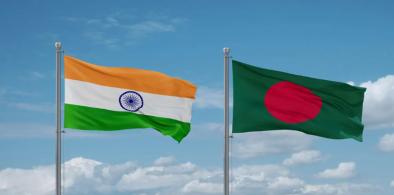
Now India and Bangladesh have to look for a new foundation to take the relationship between the two countries to a higher level. And deepening of economic ties can create that new foundation.
Overall, many of the vexing problems of long standing can be mitigated quickly by bold and quick measures, denying ammunition to detractors of India-Bangladesh ties on both sides and letting our relationship flourish to its full potential
The JRC discussion should have recognised the sufferings of the people of both sides because of the water scarcity during the lean season flows of the Teesta river and struck a win-win deal that was beneficial to both sides
Both Gwadar and Mundra ports are close to a turbulent region that is violent and militancy-prone. If Gwadar has security problems from within, Mundra has them from without
India has repositioned its earlier policy of providing a home to refugees from Tibet, Afghanistan, Bhutan and Sri Lanka and is forcefully deporting Rohingya refugees