The growing political and economic influence of India in Afghanistan has been factored by the Biden administration and the inclusion of India in the peace talks are proof of that, writes Shushant VC for South Asia Monitor


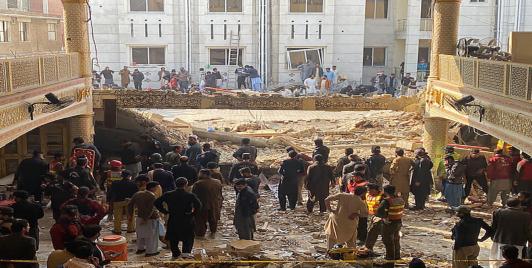
India must also recognise that Pakistan's internal security crisis has wider regional implications. Escalating Pakistan–Afghanistan tensions could create additional uncertainty along the western frontier, while attacks on Chinese projects could affect regional connectivity and investment.

India has demonstrated that it can develop and manufacture modern artillery systems. What needs reassessment is how quickly we acquire, integrate and field them, and how effectively we ensure that new technologies communicate and operate together.
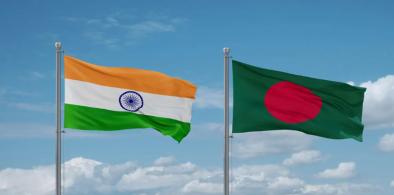
If India says the security of its Northeast, border management, trade and connectivity matter, Bangladesh can equally say that water sharing, deaths at the border, market access, energy security, river management and sovereign equality matter to it.
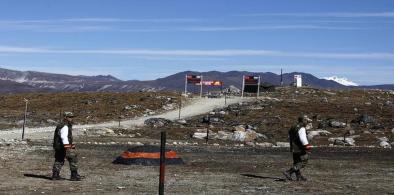
The Indian military views no disengagement in Arunachal Pradesh as part of a wider strategic recalibration, prompting India to match Chinese force rebalancing by shifting strike corps and resources equally across both northern and eastern fronts.
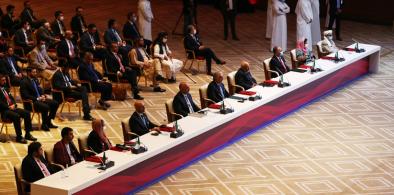
The growing political and economic influence of India in Afghanistan has been factored by the Biden administration and the inclusion of India in the peace talks are proof of that, writes Shushant VC for South Asia Monitor

The broader agenda signals the Quad's move towards multifaceted cooperation to broaden their footprint, while also keeping the facade -- important to India -- that it is not directed against China, writes Arul Louis for South Asia Monitor

Gratitude has been expressed to India from the highest political levels of the 57-odd countries that have received 56 million doses through outright grants, commercially or through COVAX, writes N Chandra Mohan for South Asia Monitor

There are countries in South Asia, for example, India and Pakistan, where we have judgments from apex courts declaring self-determination of gender identity by trans people as fundamental to gender recognition, writes Sai Bourothu for South Asia Monitor

Sahir's birth centenary, on March 8, 2021, is an occasion for all to revisit his lifetime work and legacy that has tremendous relevance even in our own troubled, testing times, writes Venkat Parsa for South Asia Monitor
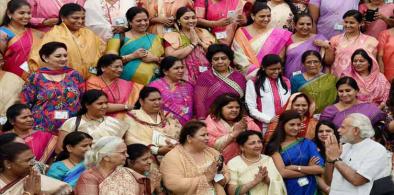
This is an ironic and familiar pattern wherein every March 8, the collective global attention briefly dwells on the status of women and while well-meaning statements are repeated – the substantive improvement in the welfare and safety of women remains a work in slow progress and an area of grave concern, writes Cmde C Uday Bhaskar (retd) for South Asia Monitor
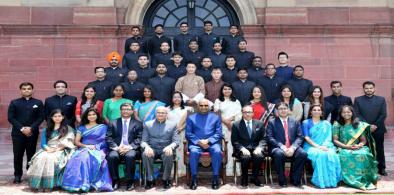
The Indian Foreign Service has come a long way in changing gender stereotypes. In the early years, women diplomats were forced to resign if they got married, writes Amb Bhaswati Mukherjee (retd) for South Asia Monitor
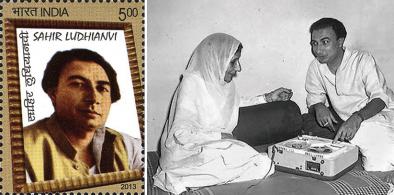
Sahir Ludhianvi’s relevance becomes greater and urgent in the present times for promoting an inclusive society and religious harmony, writes Mahendra Ved for South Asia Monitor
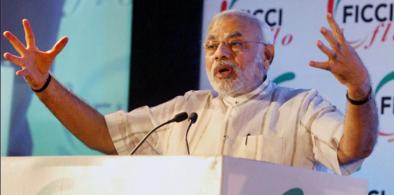
Modi’s address on the floor of the lower house on February 10 went much further in stating that the days are long gone when only the government was responsible for national development, writes N Chandra Mohan for South Asia Monitor
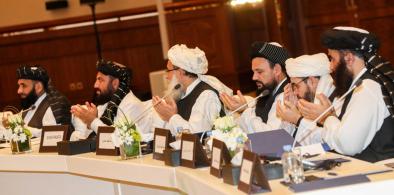
Unlike Pakistan, India is an emerging regional power both from a political and economic point of view, and India, since the last two decades, has built a friendly image in the minds of many Afghans – many consider India as the second home for the Afghans, write Hamayun Khan & S. Nasrat for South Asia Monitor
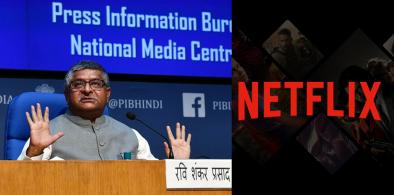
The Indian government’s explanation for the crackdown on these presentations is comprehensive enough to nip all literary, cinematic, and journalistic ventures in the bud, writes Amulya Ganguli for South Asia Monitor
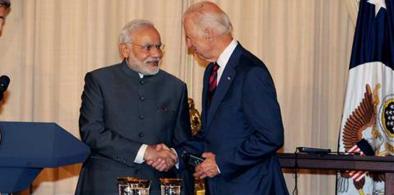
Biden is having to deal with the geopolitical realities of the rising threat from China and has to have India as a strategic asset for meeting the challenge, writes Arul Louis for South Asia Monitor
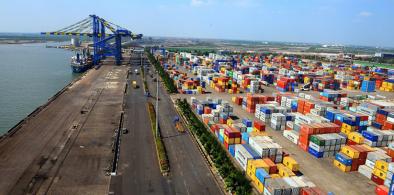
In the last six years of being in office, this government has taken numerous initiatives to harness the potential of the maritime sector and improve India’s global standing, writes Cmdre Anil Jai Singh (retd) for South Asia Monitor
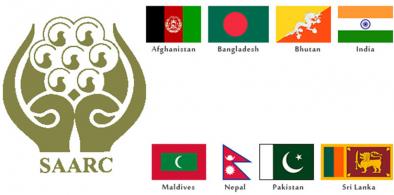
Global recession has amplified domestic economic challenges and caused output contraction in 2020, with economies that rely heavily on tourism and travel particularly hard hit are Maldives, Nepal, and Sri Lanka, writes Partha Pratim Mitra for South Asia Monitor
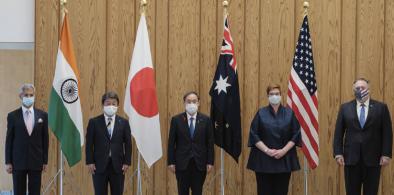
India too would appear to be finally moving towards a more ‘aligned’ foreign policy in response to a militaristic and aggressive China and its puppet ally Pakistan, both implacably opposed to her rise, writes Amb Bhaswati Mukherjee (retd) for South Asia Monitor