In the past few years, radical extremists have countered Mahatma Gandhi and his teaching and his preaching with acts of ‘war,’ ‘hate,’ and ‘violence,’ writes Frank F. Islam for South Asia Monitor


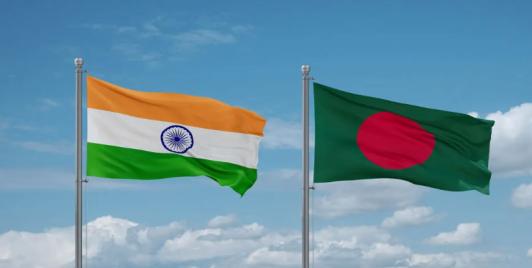
If India says the security of its Northeast, border management, trade and connectivity matter, Bangladesh can equally say that water sharing, deaths at the border, market access, energy security, river management and sovereign equality matter to it.
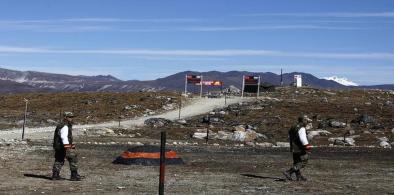
The Indian military views no disengagement in Arunachal Pradesh as part of a wider strategic recalibration, prompting India to match Chinese force rebalancing by shifting strike corps and resources equally across both northern and eastern fronts.
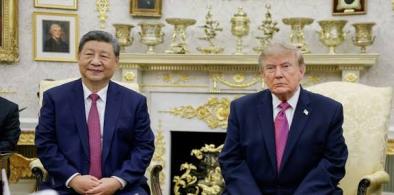
BRICS is acquiring greater visibility, while countries of the Global South continue to seek a greater voice in the international system. The desire for a more multipolar world is becoming increasingly evident. Over the next decade, this could produce a geopolitical configuration rather different from the one we have known since the end of the Cold War.
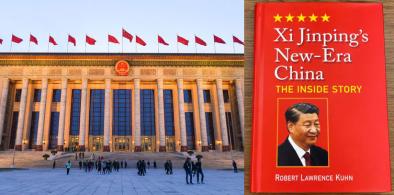
Kuhn says if the first half of this century is being defined by USA-China relations, the second half may well be defined by India-China relations and, in the New World Order, "India-China relations will likely become the most pivotal.....for the entire world".
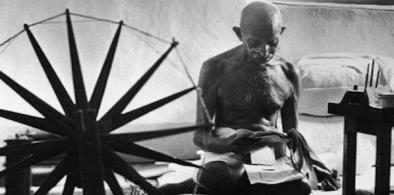
In the past few years, radical extremists have countered Mahatma Gandhi and his teaching and his preaching with acts of ‘war,’ ‘hate,’ and ‘violence,’ writes Frank F. Islam for South Asia Monitor
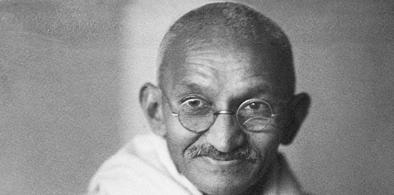
Gandhi said, means are foreseeable, ends are not. Thus, means can be controlled, managed and guaranteed, writes Ram Krishna Sinha for South Asia Monitor

Churails reflects the voice of Pakistani women against the repressive traditional patriarchal societal norms, writes Azeemah Saleem for South Asia Monitor
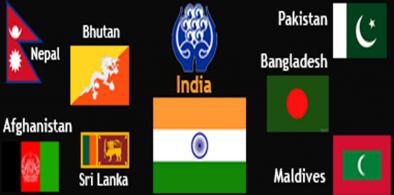
If India is to defend its turf against China in the SAARC region, it must contribute to greater flows of intra-regional trade and investments by accepting “asymmetrical responsibilities” in opening its market to neighbours without insisting on reciprocity, writes N Chandra Mohan for South Asia Monitor
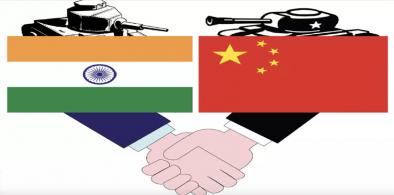
While there is a common belief that the tit-for-tat game that India is playing with China is petty and self-destructive, this strategy has been proven to be pretty useful in the current faceoff, writes Akshat MIttal for South Asia Monitor
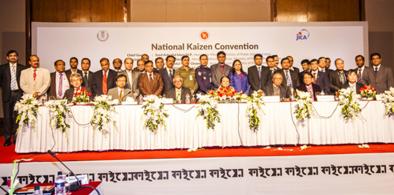
The Cabinet Division of Bangladesh, the executive office of the Prime Minister, has included kaizen in the annual performance agreement (APA) with the allocation of some weightage, writes Dr. Mohammad Rezaul Karim for South Asia Monitor
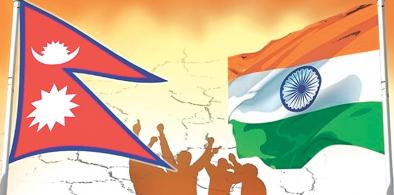
What is needed between the two countries is close cooperation and not a competition – this is obligatory in the Nepal-India relationship – and of course, no confrontation both at political and people-to-people relations, as this will lead to a catastrophic, writes Maj. Gen. Binoj Basnyat (retd) for South Asia Monitor
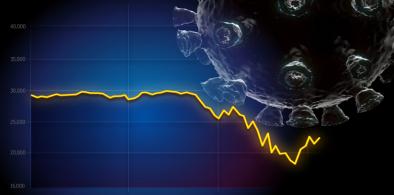
The dilemma of growing COVID-19 cases and reviving economic activity is crucial at this juncture which the leadership in the South Asia region will have to resolve and, herein, lies the challenge for it, writes Partha Pratim Mitra for South Asia Monitor
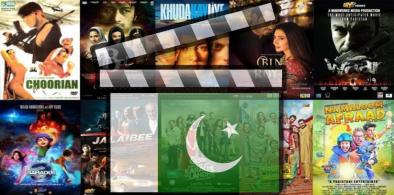
Pakistani cinema industry, even as it fears being swamped by Bollywood, realises the need for films from India that, given the common culture, resonate well with the cinegoers, writes Mahendra Ved for South Asia Monitor

In view of the unprecedented tension between the Indian Army and the Chinese Peoples’ Liberation Army on the Line of Actual Control since early May 2020, it is vitally important for ordnance factories to be able to meet large requirements of arms, ammunition, vehicles, and various equipment, writes Col Anil Bhat (retd) for South Asia Monitor

The scourge of the COVID pandemic has radically altered the nature of the challenge cum dangers lurking in the maritime sector for South Asia as related to the Indian Ocean and the surrounding seas, writes C Uday Bhaskar for South Asia Monitor

Although madrasas educate only between 2-4% of Muslim children and youth, they need to modernize their curriculum and move away from Islamic centric or Islamic-only education to a holistic approach that enables these students to integrate fully into Indian society, writes Frank Islam for South Asia Monitor

The global healthcare has benefited hugely from the Indian pharmaceutical industry, and from generic drugs that the Indian pharmaceutical industry produces for the world, writes Sunil Prasad for South Asia Monitor

Now it became possible for young and talented cricketers with abilities to shoot into the top rung via the IPL. With cricket now being played increasingly across South Asia, one sees rising stars from Afghanistan and Nepal also in the IPL mix, writes Col Ravi Rajan (retd) for South Asia Monitor

Having a porous border with Pakistan and Afghanistan, Iran should focus more on institutionalized Shia killings in these countries, not Gulf states normalizing relations with Israel, writes Lt Gen P. C. Katoch (retd) for South Asia Monitor