The interim caretaker system mostly benefits the military as seen in conflict-prone countries like Pakistan and even in Bangladesh in its last term.


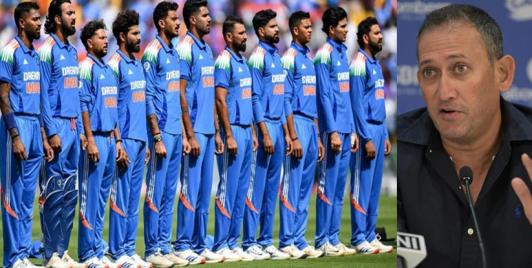
For all the glamour surrounding Indian cricket, the selector remains one of its least celebrated figures. He must look beyond the next headline, the next controversy, and even the next defeat. His finest decisions may never make the headlines. His mistakes certainly will.
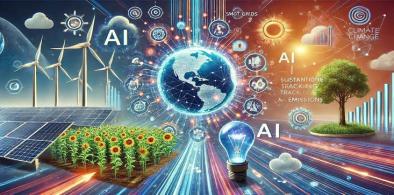
South Asia’s climate risks are shared across countries. Rivers such as the Ganga, Brahmaputra and Indus do not respect national boundaries, and torrential rains in one country can lead to floods in another. Satellite data, flood forecasts and flood warnings could, therefore, be shared to enhance disaster preparedness across the region.

The British Council's South Asia dialogue on TNE brought together policymakers, quality-assurance agencies, experts and higher education leaders from five South Asian countries and the United Kingdom. The discussions covered TNE policy, quality assurance, partnership management and mutual recognition of qualifications.
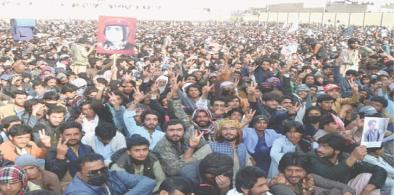
The CMSPP can help Balochistan address one of the most pressing challenges it encounters today – youth unrest and militancy. The radical Islamic groups and terrorist organizations often utilize the discontent of the youth of Balochistan to further their own agendas.
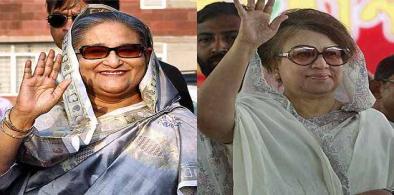
The interim caretaker system mostly benefits the military as seen in conflict-prone countries like Pakistan and even in Bangladesh in its last term.

Faced with growing gun proliferation, US politicians have done nothing more than indulge in empty talk and prolonged debates, while pointing fingers at the human rights situation of other countries like Bangladesh.
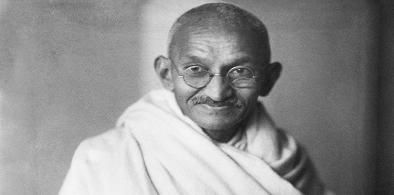
When the world saw only the watertight compartments, Gandhi could see the presence of a wicket gate amidst repression, which made him build on the path of nonviolent struggle. He said, ‘humans are essentially good, susceptible to error and amenable to truth.’
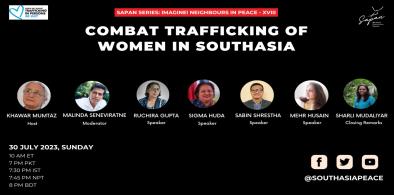
Thousands of women in the region are sold within their countries, across borders and trafficked to the Middle East and other parts of the world.

During the recent green-chili crisis, India helped Bangladesh control and stabilize its local market prices through chili exports, even though that led to its sharp price rise back home.
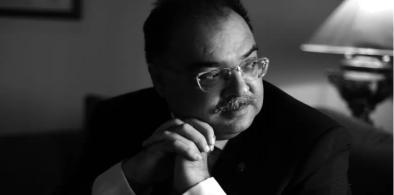
How disorderly politics and economics combined to create the roiling mess that sank the domestic infrastructure ecosystem, including the airlines, in Pakistan. This was after all, one of seven Pakistani planes to crash within a decade.
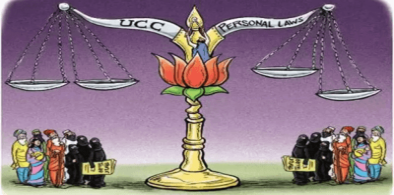
In the proposed UCC now being formulated, all aspects that are related to protecting the privileges of women should be taken out and included in a new Uniform Women Code.
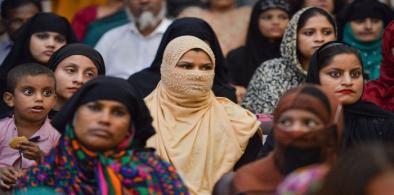
Prime Minister Narendra Modi’s government has proposed a Uniform Civil Code for India where all citizens would have the same law apply to their economic, social and religious rights. If such a law were to be enacted, it would ensure that injustices done to Muslim women in India were wiped out in one stroke.
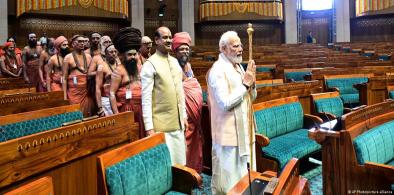
It is high time that every Indian, whether Christian, Muslim, Sikh, or Buddhist, recognize that India is essentially a country based on Hindu ethos, even as people belonging to other religions are at total liberty to follow their religious dictums. Any objection to Modi following Hindu religious practices for inaugurating the new parliament is not appropriate. Modi has shown the way and blown away the unreal secularism phobia.
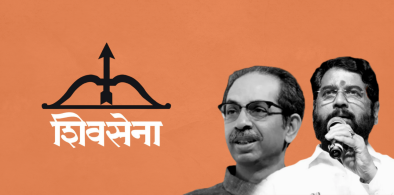
There was clearly visible cheap politics on all sides but the Supreme Court seems to prefer the politics of the Thackeray faction rather than the legislative majority.
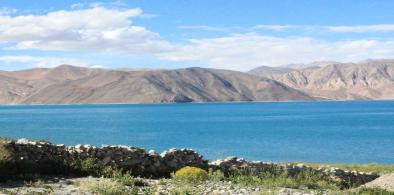
Ladakh is endowed with an excellent water supply through pristine rivers which flow across the land. This water can be used in the greenhouses to grow vegetables, fodder and other produce.
As a result of this new US policy, a major change is being observed in the policy of the Western world towards Bangladesh. If the BNP boycotts the elections as a result of the new policy, they will not get any support from the Western world - that is clear.
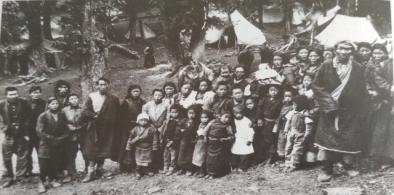
Modi’s laudable efforts for world peace by trying to bring accord between Ukraine and Russia would be an incomplete exercise if he fails to espouse nearer home the plight of the Tibetans and highlight their pain
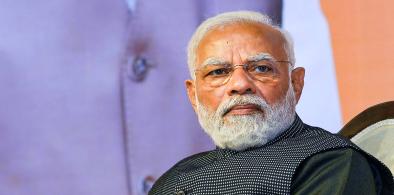
With just around 12 months before the next parliamentary election, Modi has little time to lose in meeting the expectations of the people in eradicating corruption.
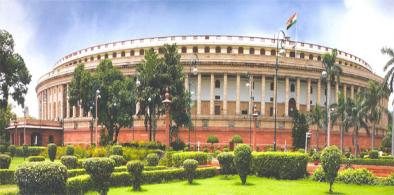
Otherwise, democracy will remain meaningless-- once in five-year exercise by ordinary citizens who are represented by MPs/MLAs who themselves are bonded labourers of a controlling coterie.