The ‘uncultured’ state of Pakistan has not apologized yet for the 1971 genocide. It should be compelled, writes Farabi Bin Zahir for South Asia Monitor


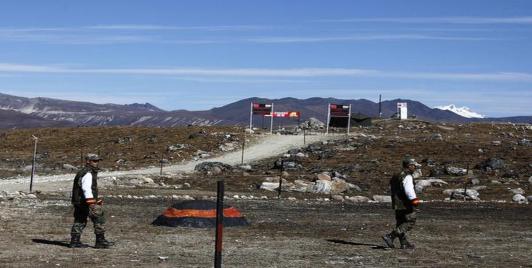
The Indian military views no disengagement in Arunachal Pradesh as part of a wider strategic recalibration, prompting India to match Chinese force rebalancing by shifting strike corps and resources equally across both northern and eastern fronts.
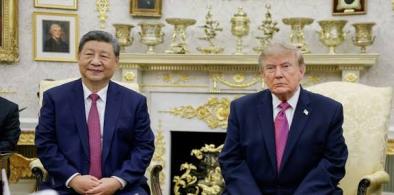
BRICS is acquiring greater visibility, while countries of the Global South continue to seek a greater voice in the international system. The desire for a more multipolar world is becoming increasingly evident. Over the next decade, this could produce a geopolitical configuration rather different from the one we have known since the end of the Cold War.
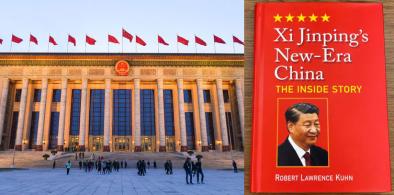
Kuhn says if the first half of this century is being defined by USA-China relations, the second half may well be defined by India-China relations and, in the New World Order, "India-China relations will likely become the most pivotal.....for the entire world".
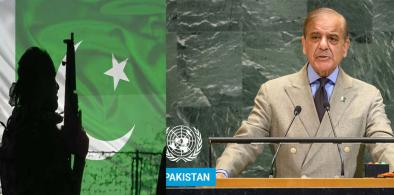
The strategic equation has irrevocably shifted. Pakistan’s long-standing attempt to separate itself from its proxies has failed, replaced by the reality of a state struggling with the infrastructure it created. As these groups operate with increasing autonomy, the world community is left with a clear conclusion

The ‘uncultured’ state of Pakistan has not apologized yet for the 1971 genocide. It should be compelled, writes Farabi Bin Zahir for South Asia Monitor
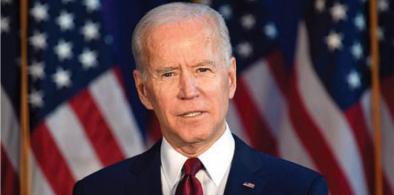
New Delhi also needs to recognize that the rules of diplomacy are changing and that country, especially the US under Biden, would not hesitate to make remarks about human rights violations or on communal tensions and certainly, the changes in the status of Jammu and Kashmir. None of these would qualify, for Biden’s Administration, as being ‘internal matters,’ writes Amb Amit Dasgupta (retd) for South Asia Monitor
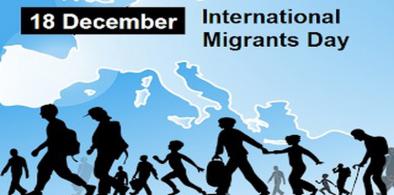
On this International Migrants Day, it is worth noting that not every migrant succeeds in an adopted land. For evidence, one need not go beyond the Indian American community. While the community’s many successes and accomplishments have been well-documented, a less-publicized fact is the plight of hundreds of thousands of Indian nationals in the United States, writes Frank Islam for South Asia Monitor
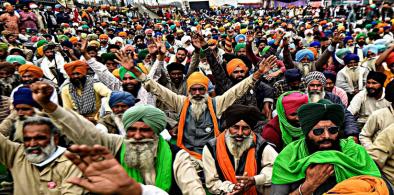
What the BJP may have realized, therefore, from these sporadic eruptions of protests is that electoral success is not the be-all and end-all of politics, writes Amulya Ganguli for South Asia Monitor
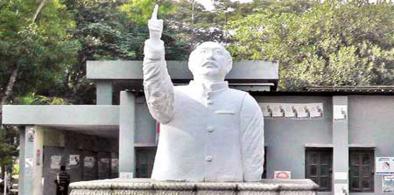
Many people want to know why the ruling Awami League is perpetuating this "sculpture politics". Why is this issue being given so much importance so as to forget the numerous other challenges Bangladesh is facing? writes Akmal Hossain for South Asia Monitor

India for the time being has chosen to call for an adjournment on the multidimensional chessboard of multilateral trade/strategic agreements which can be seen as a wise move, writes Kumardeep Banerjee for South Asia Monitor
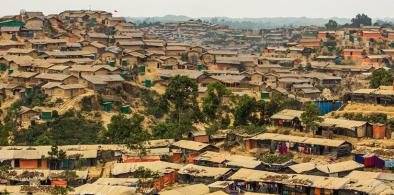
Little help has been extended to Bangladesh to resolve the Rohingya problem. Even in international forums like the UN, no one voted for Bangladesh when it brought a resolution condemning human rights violations in Myanmar, particularly against Rohingya Muslims, writes Swadesh Roy for South Asia Monitor
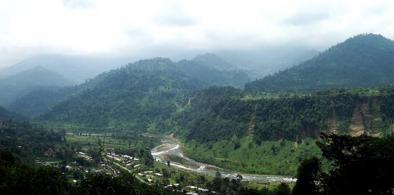
China’s aim of building these new villages along the LAC with India is multiple. These helped populate Han Chinese closer to the border areas, overwhelming the Tibetan population demographically since the invasion and occupation of Tibet in 1959-51, writes Lt Gen Prakash Katoch (retd) for South Asia Monitor

India is forecast to be the biggest contributor to the ‘new normal’ doubling its renewable additions in 2021. Wind and solar additions are expected to jump by 30 percent in both the US and China, writes Rajendra Shende for South Asia Monitor

In the course of his advisory duties, Yeager had made good friends in the higher echelons of the Pakistan Air Force (PAF), and within a short period, he fell prey to an affliction, known, amongst diplomats, as ‘localitis,’ i.e, a deep sympathy, verging on identification, with the host country and its people, writes Admiral Arun Prakash (retd) for South Asia Monitor
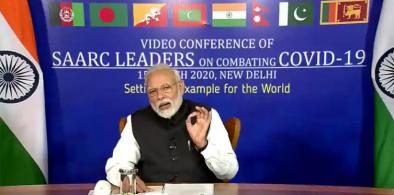
Would it be appropriate to suggest that the Modi government defer the construction of a new parliament building in Delhi, and use the funds (approximately Rs. 971 crores) to create a corpus for post-COVID South Asian rebuilding? writes Cmde C Uday Bhaskar (retd) for South Asia Monitor
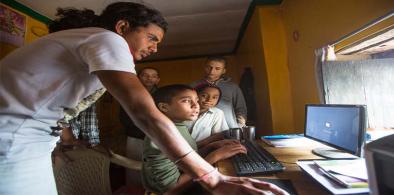
The COVID-19 pandemic has brought in additional challenges to tackle amidst the technological disparities within Asia. There is a digital divide witnessed in the economies of South Asia, writes Partha Pratim Mitra for South Asia Monitor

Pitching for her exiled father, Maryam has become a veteran. But she appeared to yield space to Aseefa, the surprise debutante, in terms of public response and social media fervour that followed this Multan rally, writes Mahendra Ved for South Asia Monitor
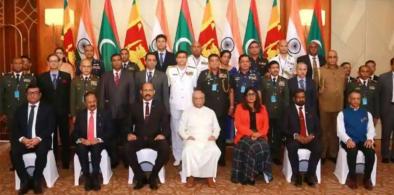
The resumption of this interaction last held in New Delhi in 2014 is an important step forward in recognising the magnitude of the external and internal threat to maritime security and to develop a shared approach to the security of this region, writes Cmde Anil Jai Singh (retd) for South Asia Monitor
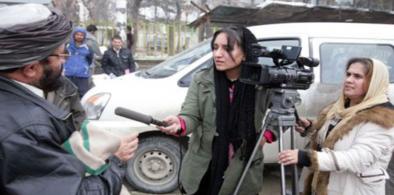
The protection for journalists remains the biggest challenge in Afghanistan, and while women journalists make up just 17 percent of the news force, 30 percent of them have reported violence, writes Farida Nekzad for South Asia Monitor