The police in Bangladesh have taken the role of judge, jury, and executioner, writes Aashish Kiphayet for South Asia Monitor


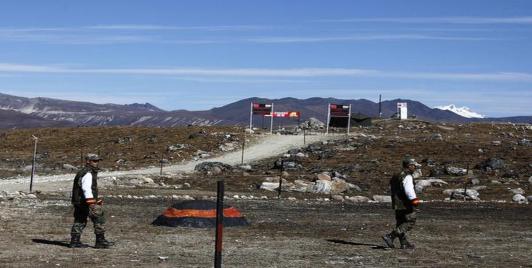
The Indian military views no disengagement in Arunachal Pradesh as part of a wider strategic recalibration, prompting India to match Chinese force rebalancing by shifting strike corps and resources equally across both northern and eastern fronts.
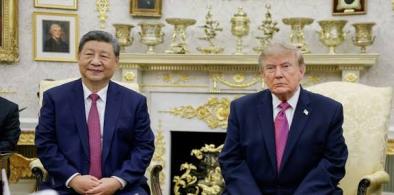
BRICS is acquiring greater visibility, while countries of the Global South continue to seek a greater voice in the international system. The desire for a more multipolar world is becoming increasingly evident. Over the next decade, this could produce a geopolitical configuration rather different from the one we have known since the end of the Cold War.
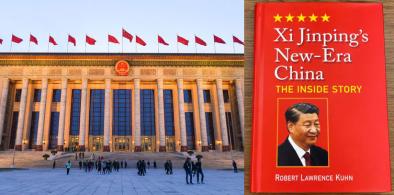
Kuhn says if the first half of this century is being defined by USA-China relations, the second half may well be defined by India-China relations and, in the New World Order, "India-China relations will likely become the most pivotal.....for the entire world".
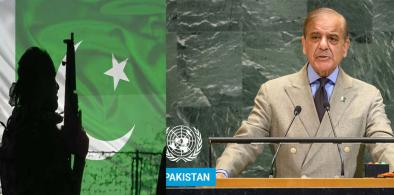
The strategic equation has irrevocably shifted. Pakistan’s long-standing attempt to separate itself from its proxies has failed, replaced by the reality of a state struggling with the infrastructure it created. As these groups operate with increasing autonomy, the world community is left with a clear conclusion
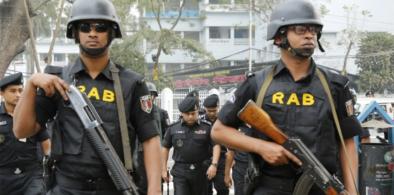
The police in Bangladesh have taken the role of judge, jury, and executioner, writes Aashish Kiphayet for South Asia Monitor

People in Umerkot live in communal harmony. While the Hindus arrange Iftari in the month of Ramazan and Niaz in the month of Muharram, the Muslims come forward to attend Hindu festivals, thus sending a message of love, peace, and harmony, writes Furqan Hyder Shaikh for South Asia Monitor

As the patron of the Taliban, Pakistan will wield more direct influence over Afghanistan as Washington winds down its involvement, writes Arul Louis for South Asia Monitor
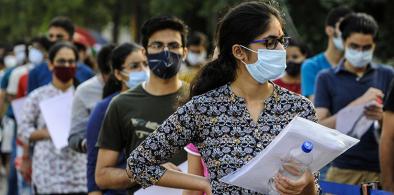
India faces a grave challenge that has been accentuated by the pandemic. The crisis needs to be seen as a national imperative and addressed through a collective stakeholder approach with a sense of extreme urgency, writes Amit Dasgupta for South Asia Monitor
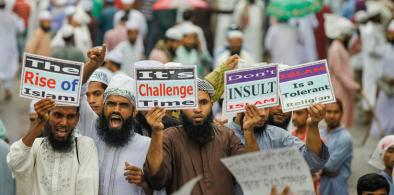
Conceding to the Islamist demand for stopping the installation of the Mujib statue at Dholaipar will be a huge political defeat for the Awami League, especially during the birth centenary of the founding father and a year before the Golden Jubilee of Bangladesh's independence, writes Subir Bhaumik for South Asia Monitor
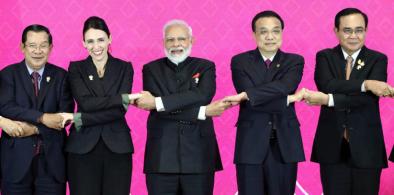
On the face of it, exiting RCEP definitely represents a setback to India’s economic ambitions of engaging with the Indo-Pacific, including attracting supply chains away from China, writes N Chandra Mohan for South Asia Monitor
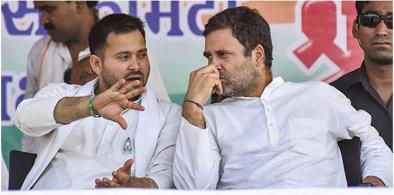
There is little doubt that the Congress will have to pay a heavy price for its blunder in Bihar, writes Amulya Ganguli for South Asia Monitor
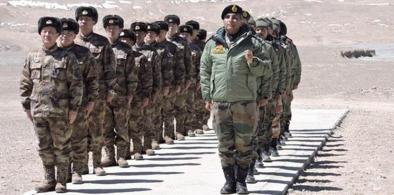
By not accusing China of intrusions and putting the onus for talks on the army, External Affairs Minister S. Jaishankar and National Security Advisor Ajit Doval, who is the special representative for border talks, are shirking their responsibilities. This could be by design to blame the army for any territorial compromise forced by the government, writes Lt Gen Prakash Katoch (retd) for South Asia Monitor

EU is now acknowledging what India, through its counter-terrorism dialogues with the West, had been warning for years, that Islamic fundamentalist networks and sleeper cells are active across the EU, writes Amb Bhaswati Mukherjee (retd) for South Asia Monitor
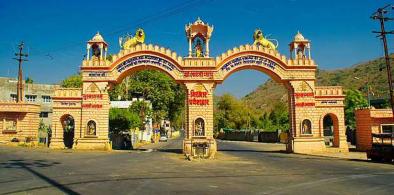
Today, there is nothing in Junagadh and its recent history to indicate the one-time, albeit brief, aspirations of its ambitious and misguided erstwhile Nawab to accede to Pakistan, writes Mahendra Ved for South Asia Monitor

Interestingly, the current focus on encouraging inland water transportation along the Ganges and Brahmaputra only reactivates defunct commercial arteries of yesteryear when inland waterways linked Nepal, Bhutan, India, and Bangladesh, writes N Chandra Mohan for South Asia Monitor
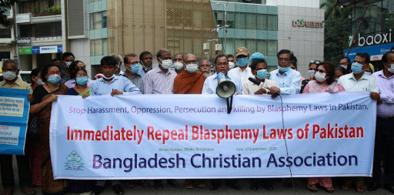
Bangladesh has witnessed many instances of mass lynchings, which is a major cause for concern as it looks that respect for rule of law has vanished, writes Aashish Kiphayet for South Asia Monitor
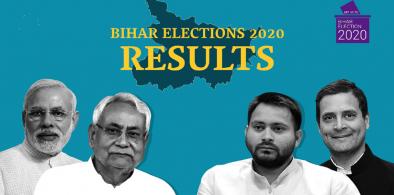
Because of the Congress’s failure to get its act together, the entire opposition in India appears to be in a moribund condition while the BJP has cleverly combined its pitch for vikas or development with an occasional dose of communal animosity to propel itself forward, writes Amulya Ganguli for South Asia Monitor
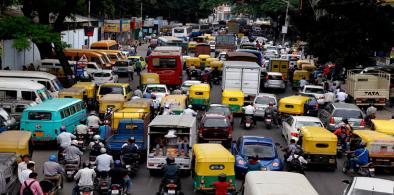
India is witnessing the arrival of a new generation of mobility discourses, which are nuanced enough to provide sustainable urban mobility, says Hardeep Singh Puri, India's Urban Development Minister

In this year’s election Joe Biden won and so did the American democracy. That is a good thing for the United States, for India and indeed for the world, writes Frank F Islam for South Asia Monitor