Today, several other countries are gaining greater respect and acceptability in the comity of nations. India, certainly, is one of them. What is perhaps likely to happen is that global leadership would be a shared responsibility.


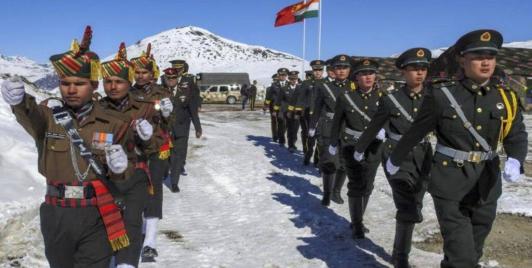
Hopes for Sino-Indian relations centre on a cautious diplomatic thaw, institutionalised border stability and renewed high-level engagement. Indian negotiators and defence planners are well aware that “trust must be verified”. While the activation of these eight points provides valuable channels to prevent an accidental kinetic clash on the ground, the real test of China’s sincerity will not be the joint statements signed in Beijing, but whether it ceases infrastructure build-ups and respects the historical patrolling rights of Indian troops along the LAC.
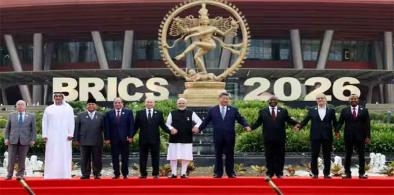
By removing the ‘Indo’ prefix from Indo-Pacific the US implicitly acknowledges that it no longer unilaterally defines the eastern strategic landscape. Regional organisations like BRICS continue to redefine the lexicon of ‘rules-based order’ to insulate themselves from western domination.
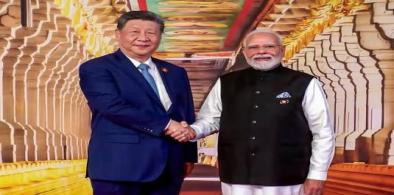
The bilateral discussion between Prime Minister Narendra Modi and Chinese President Xi Jinping on the sidelines of the 18th BRICS Summit indicates surge in mutual ties, particularly by way of trade. However, little can be expected by way of full settlement of the boundary dispute.
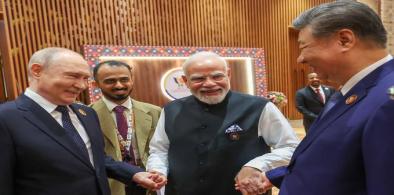
The timing of the EU announcement coincided with the BRICS+ Summit in New Delhi, creating speculation about whether the EU was seeking to reinforce its strategic engagement with India amid the growing influence of the BRICS grouping.
Today, several other countries are gaining greater respect and acceptability in the comity of nations. India, certainly, is one of them. What is perhaps likely to happen is that global leadership would be a shared responsibility.
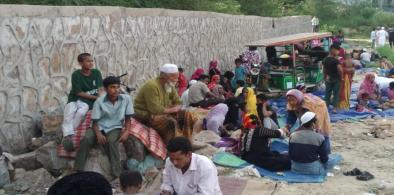
For a country that embraces the principle of Vasudhaiva Kutumbakam (“The World is One Family”), and is often referred to by Prime Minister Narendra Modi as Vishwaguru (“Teacher of the World”), the discriminatory and hostile treatment meted out to the Rohingya is not only against its ethos but also makes for bad optics on the world stage.
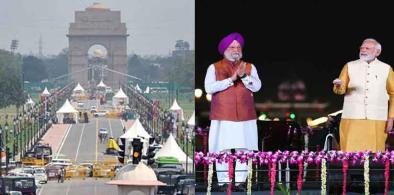
Resurgent and dynamic, a young nation, old in history and culture is finally coming to terms with the painful legacy of slavery, colonialism and the pain of partition
India may consider quickly extending lines of credit to Sri Lanka and Bangladesh on softer terms than IMF loans as we have enough forex reserves at present to cope with their small needs to prevent economic collapse. This will result in consolidation of South Asian economies around the Indian one and allow us as Big Brother to lift our smaller siblings out of trouble
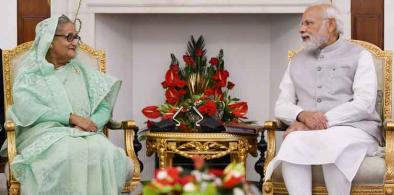
India's provision of tariff-free transit facilities to Bangladesh for exports to Nepal and Bhutan is considered a major step in bilateral cooperation. Also, since India can use Chittagong seaport, not only the "Seven Sisters" of Northeast India will benefit from it, but Dhaka will also benefit
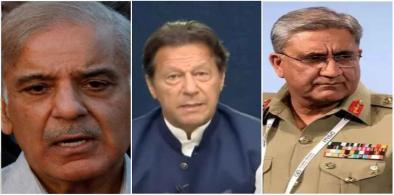
Political instability is a perennial phenomenon in Pakistan but the present one appears to be more damaging as it has occurred at a time when the country is also experiencing one of the worst economic crises in decades
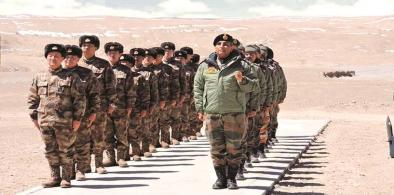
It is quite possible that the Indian side conveyed to Beijing that with China’s rigid stance on the border standoff, Prime Minister Narendra Modi may consider it difficult to attend the summit, and more importantly, a one-to-one meeting between PM Modi and Chinese President Xi Jinping may not be possible unless Beijing shows some progress on further disengagement
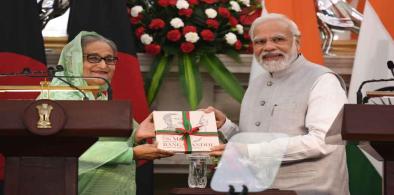
Cooperation during the visit extended to all fields, including trade and commerce, power and energy, transport and connectivity, science and technology, rivers, and maritime affairs
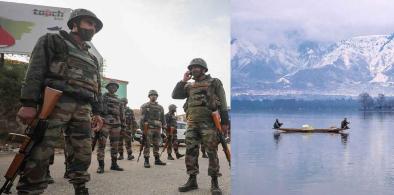
These fault lines can be repaired by greater societal interaction – holding roadshows to attract tourists is one thing, but arranging inter-community interactions between Kashmiris and social groups in the rest of the country to dispel the mutual distrust is quite another one. The work is yet to begin on this front

Climate experts opine that climate change has caused unpredictable and inconsistent weather conditions in Pakistan resulting in excessive monsoon rains, cloudbursts and extreme melting of glaciers which have finally swelled the rivers which are the genuine cause behind destructive floods across Pakistan
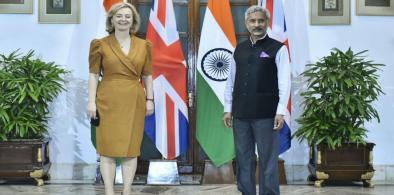
India’s reluctance to ink comprehensive FTAs contrasts with the enthusiasm of the UK to stitch up such deals with the bustling Indo-Pacific region, especially with the 11-member Comprehensive and Progressive Agreement for Trans-Pacific Partnership that includes the fast-growing Vietnam, Malaysia and Mexico, by the end of 2022
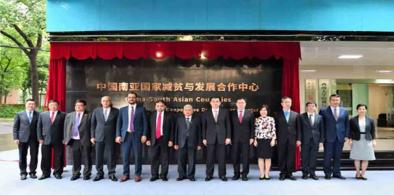
China has already surpassed India in its volume of trade with Bangladesh and is fast catching up to replace it as the top trading partner of Sri Lanka and Nepal. It has extended aid and financial assistance to these states that surpass India’s aid to them
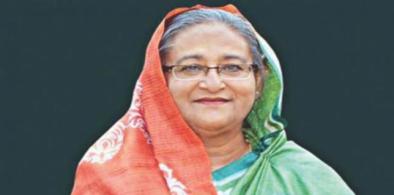
With her Awami League in power since 2009, Bangladesh has seen the army keeping away from a political role, has witnessed relative political stability and rapid economic strides, marking higher human development indicators better than most others in South Asia

South Asia will require at least another decade to recover from the sociological maladies of the post-pandemic global transformations. The looming economic crisis in South Asia may also cause multiple regime changes in the region, potentially producing greater political instability
Therefore, to create greater understanding between the civil societies of South Asia, we must encourage far more civil society interaction on B2B and people-to-people basis.