India prioritizing neighbouring countries in its foreign policy objectives, particularly by assisting Sri Lanka and Afghanistan amid crises, shows its commitment to 'Neighbourhood First' policy, writes John Rozario for South Asia Monitor


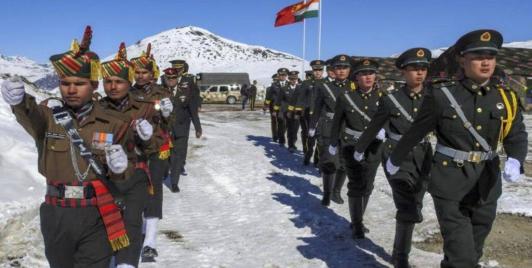
Hopes for Sino-Indian relations centre on a cautious diplomatic thaw, institutionalised border stability and renewed high-level engagement. Indian negotiators and defence planners are well aware that “trust must be verified”. While the activation of these eight points provides valuable channels to prevent an accidental kinetic clash on the ground, the real test of China’s sincerity will not be the joint statements signed in Beijing, but whether it ceases infrastructure build-ups and respects the historical patrolling rights of Indian troops along the LAC.
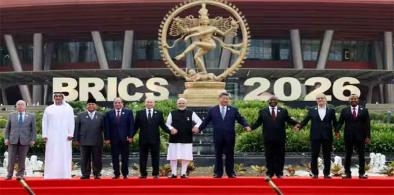
By removing the ‘Indo’ prefix from Indo-Pacific the US implicitly acknowledges that it no longer unilaterally defines the eastern strategic landscape. Regional organisations like BRICS continue to redefine the lexicon of ‘rules-based order’ to insulate themselves from western domination.
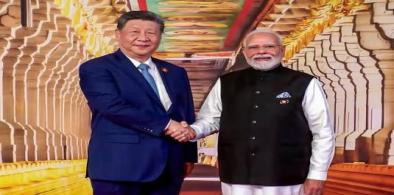
The bilateral discussion between Prime Minister Narendra Modi and Chinese President Xi Jinping on the sidelines of the 18th BRICS Summit indicates surge in mutual ties, particularly by way of trade. However, little can be expected by way of full settlement of the boundary dispute.
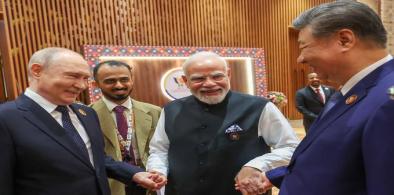
The timing of the EU announcement coincided with the BRICS+ Summit in New Delhi, creating speculation about whether the EU was seeking to reinforce its strategic engagement with India amid the growing influence of the BRICS grouping.
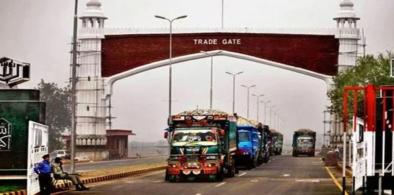
India prioritizing neighbouring countries in its foreign policy objectives, particularly by assisting Sri Lanka and Afghanistan amid crises, shows its commitment to 'Neighbourhood First' policy, writes John Rozario for South Asia Monitor

A mix of Indo-Pakistani enmity and a twisted, politically motivated interpretation of the subcontinent’s past, have helped the BJP to depict the Muslims as demons against whom the Hindus have to wage a relentless battle, writes Amulya Ganguli for South Asia Monitor
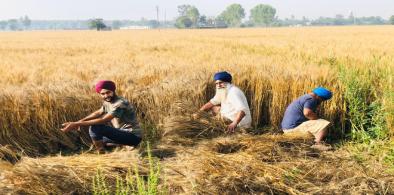
Domestically and in the neighbourhood, too, India’s ban only creates fresh uncertainties despite the government’s assurance that government-to- government contracts will be honoured, writes N. Chandra Mohan for South Asia Monitor
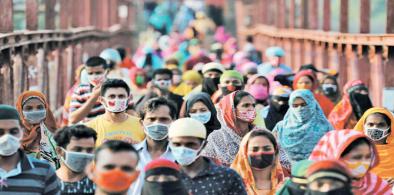
Bangladesh has a long experience in facing natural disasters and managing risks and has been utilizing the learning to cope with Covid-19 too, writes Dr Mohammad Rezaul Karim for South Asia Monitor
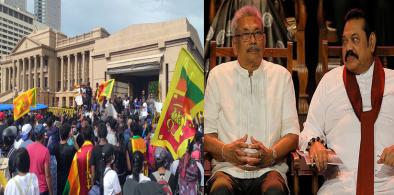
The path ahead in Sri Lanka will not be easy – for anyone. But the situation – widespread shortages of all essentials including medicines, food and fuel – have left many Sinhalese wondering if they were right in ignoring what tens of thousands of Tamils underwent for long years, writes M R Narayan Swamy for South Asia Monitor
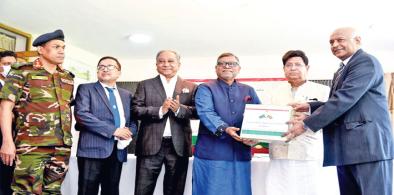
Bangladesh continues to generously host the world’s largest and growing refugee settlement despite the huge burden on economy, food management, limited resources and other circumstances, writes John Rozario for South Asia Monitor
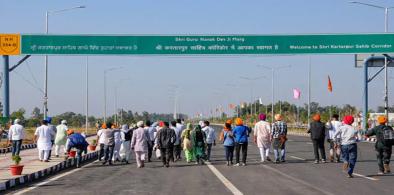
Today, in the 75th year of Independence, both India and Pakistan must honour their 2012 agreement and allow at least the elderly to meet relatives across the divide, writes Tridivesh Singh Maini for South Asia Monitor
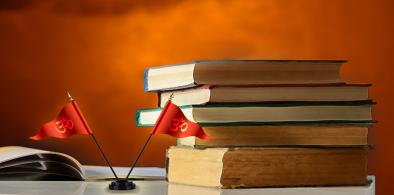
Overall, the changes proposed in the country's education system are in tune with the concept of nationalism and culture that sectarian nationalists want to impose on the country, writes Dr Ram Puniyani for South Asia Monitor
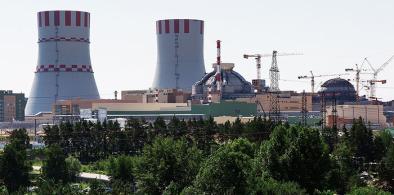
Though Russia has agreed to accept spent fuel, it is unclear how safe the procedures for removing it from reactors and transporting it from Bangladesh will be, writes Aashish Kiphayet for South Asia Monitor
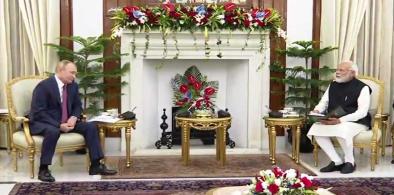
To expect that in a possible future armed conflict with a neighbor, India can rely on the Russian army is lunacy. The Russian army itself demonstrated in Ukraine what actually it represents, write Prof (Dr) Vesselin Popovski, Prof Abhinav Mehrotra and Surabhi Bhandari for South Asia Monitor

By using religion and nationalism in tandem, the BJP has taken giant strides forward in the electoral field so much so that its opponents – the so-called secular parties – are at their wit’s end, writes Amulya Ganguli for South Asia Monitor
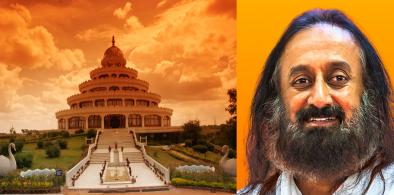
While the number of those who have benefitted from the Art of Living’s trauma relief is some 150,000, a total of 2,000 fighters are claimed to have laid down their weapons in various parts of the world including India, Sri Lanka, Nepal, Kosovo, Colombia, Ivory Coast, Iraq and the Philippines after being inspired by the spiritual group, writes M.R. Narayan Swamy for South Asia Monitor
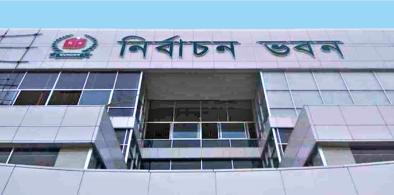
Bangladesh's leaders struggled to protect people's right to vote when they were out of power; in power, they continue their attempts to deprive them of the right to vote, writes Aashish Kiphayet for South Asia Monitor
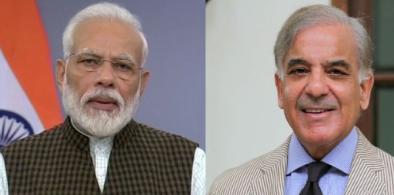
If only the leaders in both India and Pakistan would listen for once to the voices of young people and the dreamers, and not be swayed by the fanatics, no time can be short enough to make a new beginning, not just for India and Pakistan, but for the two billion people of South Asia, writes Tarun Basu for South Asia Monitor
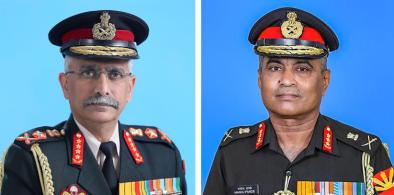
The reality is that Delhi had forfeited the tactical advantage that the Indian Army had acquired at considerable cost, to ostensibly facilitate the negotiations with China. However, despite multiple rounds of talks, the PLA has not moved back from all the areas that it had intruded into along the LAC, writes Cmde C Uday Bhaskar (retd) for South Asia Monitor