Bangladesh is a miracle story, while Sri Lanka and Pakistan are disaster tales, writes John Rozario for South Asia Monitor


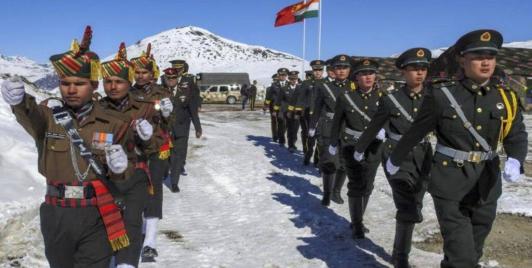
Hopes for Sino-Indian relations centre on a cautious diplomatic thaw, institutionalised border stability and renewed high-level engagement. Indian negotiators and defence planners are well aware that “trust must be verified”. While the activation of these eight points provides valuable channels to prevent an accidental kinetic clash on the ground, the real test of China’s sincerity will not be the joint statements signed in Beijing, but whether it ceases infrastructure build-ups and respects the historical patrolling rights of Indian troops along the LAC.
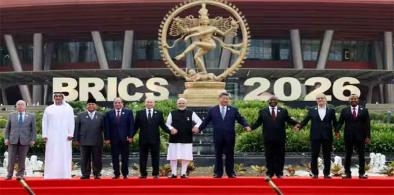
By removing the ‘Indo’ prefix from Indo-Pacific the US implicitly acknowledges that it no longer unilaterally defines the eastern strategic landscape. Regional organisations like BRICS continue to redefine the lexicon of ‘rules-based order’ to insulate themselves from western domination.
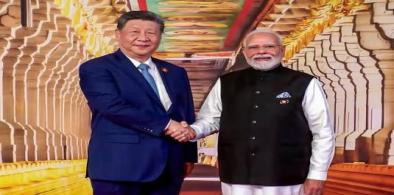
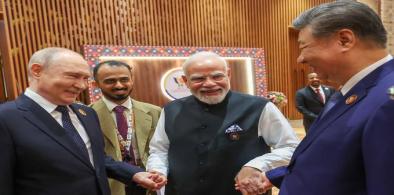
The bilateral discussion between Prime Minister Narendra Modi and Chinese President Xi Jinping on the sidelines of the 18th BRICS Summit indicates surge in mutual ties, particularly by way of trade. However, little can be expected by way of full settlement of the boundary dispute.
The timing of the EU announcement coincided with the BRICS+ Summit in New Delhi, creating speculation about whether the EU was seeking to reinforce its strategic engagement with India amid the growing influence of the BRICS grouping.
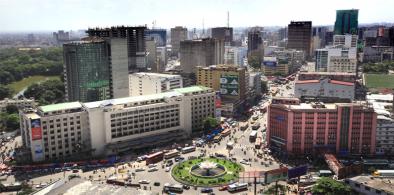
Bangladesh is a miracle story, while Sri Lanka and Pakistan are disaster tales, writes John Rozario for South Asia Monitor
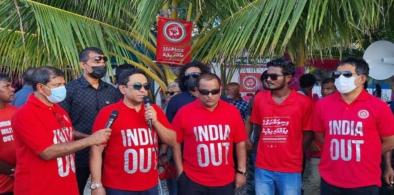
Yameen’s ‘India Out’ campaign is centred on his firm belief that independent of change of governments and leaderships in New Delhi, India was against his becoming president, writes N. Sathiya Moorthy for South Asia Monitor
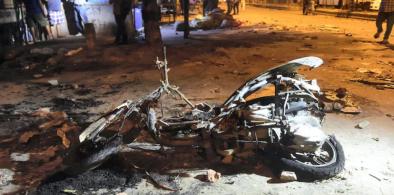
Even in these dark times, one can see bright rays of communal harmony. One only hopes these trends are encouraged and divisive loudmouths are punished, writes Dr Ram Puniyani for South Asia Monitor
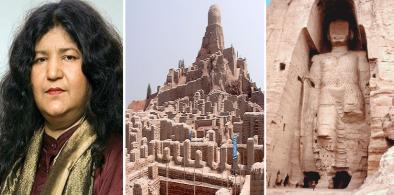
Museums and art galleries are the preserves of the common heritage of South Asia, and it is a pity these are often destructively targeted during political conflicts, writes Mahendra Ved for South Asia Monitor
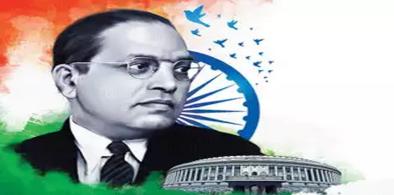
In another CSDS study of post-poll analysis after the 2019 Lok Sabha elections, it was found that between 2014 and 2019 support for the BJP among Dalits, Adivasis and Other Backward Class has more than doubled, writes Dr Ram Puniyani for South Asia Monitor

Unlike many other South Asian countries, Bangladesh's prudent and selective engagement with China's BRI has helped Dhaka avoid debt problems, writes Sheikh Abdur Rahman for South Asia Monitor
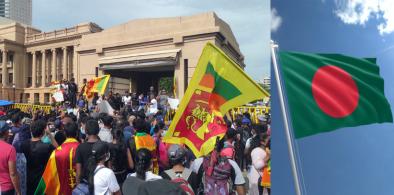
Bangladesh may not face the same situation as Sri Lanka in the near future but it has considerable weaknesses in its economy and good-governance processes, writes Aashish Kiphayet for South Asia Monitor
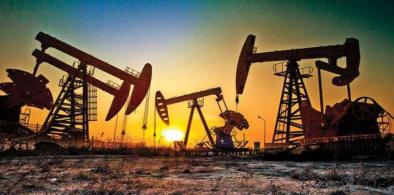
The allure of Russian oil for India, however, is more than the imperatives of energy security. It also has deep stakes with $16 billion of investments in various oil and gas projects in Russia, writes N. Chandra Mohan for South Asian Monitor

Given that Sri Lanka has a post-independence history of episodic JVP militancy in 1971 and 1987, there is concern about the direction the street protests may take, writes N. Sathiya Moorthy for South Asia Monitor
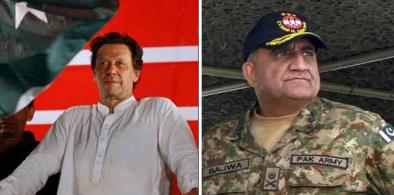
On two counts – annoying Army and America, two of the three pillars on which Pakistan’s polity stands -- may block Imran Khan's future comeback. Only the third, Allah, can help, writes Mahendra Ved for South Asia Monitor
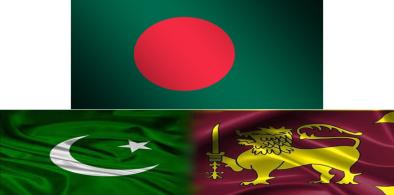
Bangladesh has very strong leadership, pragmatic fiscal policy and foreign reserves. The Sri Lankan case is totally different, writes Mehjabin Bhanu for South Asia Monitor

From within the Muslim community there are extremist elements who in the name of Islam provide much-needed provocations to majoritarian politics, writes Dr Ram Puniyani for South Asia Monitor
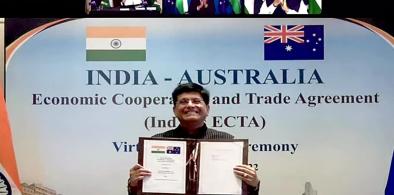
The ECTA with Australia will boost India’s confidence in signing similar trade pacts with the UK and EU, writes N. Chandra Mohan for South Asia Monitor

Amid Sri Lanka’s crippling shortages, Hirunika Premachandra Yatowita, daughter of a slain SLFP MP and herself a former MP from Colombo, is being seen as a new leader, writes P. Jayaram for South Asia Monitor
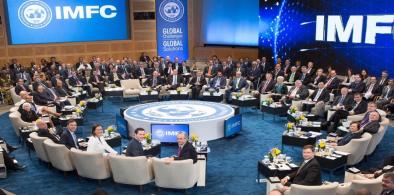
Some major countries of South Asia have recently had Article IV consultations with the IMF since the onset of the pandemic in early 2020, writes Partha Pratim Mitra for South Asia Monitor