Xi has been quick to grab the opportunity to launch his own diplomatic blitzkrieg by sending his Foreign Minister Wang Yi to South Asia, writes Amb Dilip Sinha (retd) for South Asia Monitor


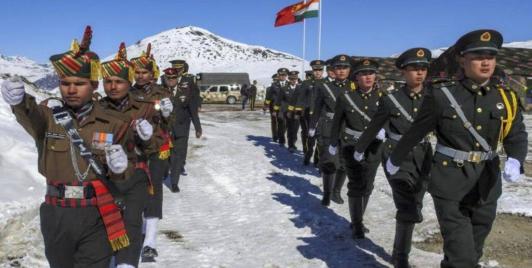
Hopes for Sino-Indian relations centre on a cautious diplomatic thaw, institutionalised border stability and renewed high-level engagement. Indian negotiators and defence planners are well aware that “trust must be verified”. While the activation of these eight points provides valuable channels to prevent an accidental kinetic clash on the ground, the real test of China’s sincerity will not be the joint statements signed in Beijing, but whether it ceases infrastructure build-ups and respects the historical patrolling rights of Indian troops along the LAC.
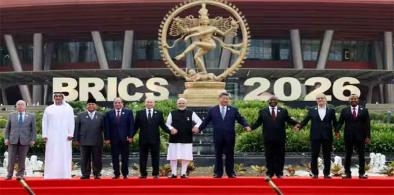
By removing the ‘Indo’ prefix from Indo-Pacific the US implicitly acknowledges that it no longer unilaterally defines the eastern strategic landscape. Regional organisations like BRICS continue to redefine the lexicon of ‘rules-based order’ to insulate themselves from western domination.
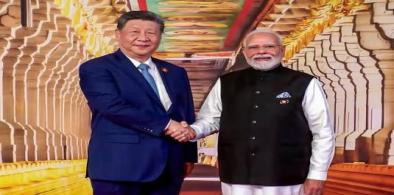
The bilateral discussion between Prime Minister Narendra Modi and Chinese President Xi Jinping on the sidelines of the 18th BRICS Summit indicates surge in mutual ties, particularly by way of trade. However, little can be expected by way of full settlement of the boundary dispute.
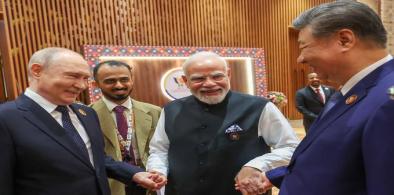
The timing of the EU announcement coincided with the BRICS+ Summit in New Delhi, creating speculation about whether the EU was seeking to reinforce its strategic engagement with India amid the growing influence of the BRICS grouping.
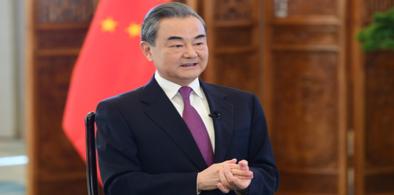
Xi has been quick to grab the opportunity to launch his own diplomatic blitzkrieg by sending his Foreign Minister Wang Yi to South Asia, writes Amb Dilip Sinha (retd) for South Asia Monitor
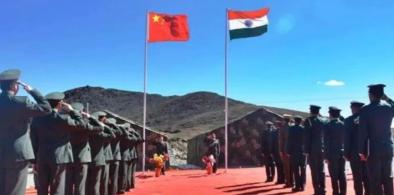
China needs to seriously think whether it wants to continue the confrontation with India or settle the border with irrevocable guarantees, writes Lt Gen P.C. Katoch (retd) for South Asia Monitor

Governments across South Asia need to display stronger political will against violence and unrest over communal and religious issues, writes Shubham for South Asia Monitor

The film lives to its own dialogue that showing wrong is as dangerous as hiding the truth; it totally hides the murders and exodus of Muslims, writes Dr Ram Puniyani for South Asia Monitor

The film has soured Hindu-Muslim relations to an extent in Kashmir - and also in the rest of the country - that the Pandits will be unable to settle down as before in close proximity with their Muslim neighbours, writes Amulya Ganguli for South Asia Monitor
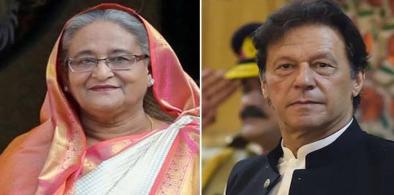
The younger generation of both countries is keen to forge stronger ties between these two Muslim-majority countries in the region, writes Mehjabin Bhanu for South Asia Monitor
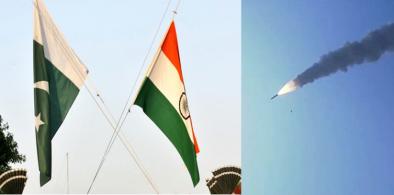
Fortunately, Pakistan never went ballistic and their reaction has averted what could have potentially led to a disastrous escalation, writes Maj Gen Jagatbir Singh (retd) for South Asia Monitor

Afghanistan owes a measure of its progress to the India cricket board and its generosity in providing to the embattled Afghan cricketers the use of ‘home’ grounds in India, writes Qaiser Mohammed Ali for South Asia Monitor

The Japan Bank for International Cooperation listed India as the most attractive investment destination, yet Prime Minister Fumio Kishida’s visit to Delhi failed to generate that investment buzz, writes S. Majumder for South Asia Monitor
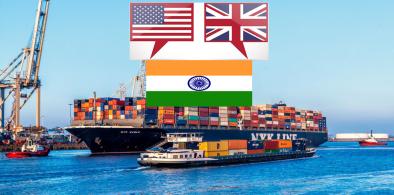
With its strategic position in the Indian Ocean, India has a vital role in America’s Indo-Pacific Strategy, writes Lt Gen P. C. Katoch (retd.) for South Asia Monitor
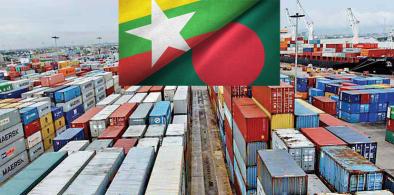
Enhanced ties between Bangladesh and Myanmar can contribute to the growth of trade and investment relations with ASEAN and BIMSTEC countries, writes Jubeda Chowdhury for South Asia Monitor

The international community needs to appreciate that against all odds and the trauma of partition, India’s culture is composite and represents her civilizational heritage, writes Amb Bhaswati Mukherjee (retd) for South Asia Monitor
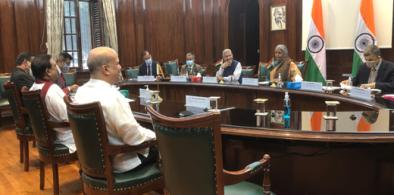
After Basil Rajapaksa's current visit, Modi is likely to fly from New Delhi to Jaffna to mark the reopening of Palaly Airport for commercial operations, writes Sugeeswara Senadhira for South Asia Monitor

One of the major lessons of the assembly election results is that a fragmented opposition cannot take on the mighty electoral might of BJP-RSS, writes Dr Ram Puniyani for South Asia Monitor
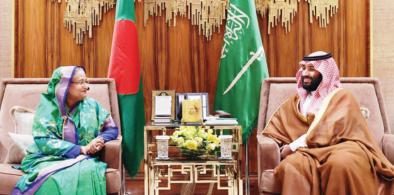
Because of Dhaka’s economic success, Saudi Arabia now perceives Bangladesh as a lucrative investment destination, writes Hussain Shazzad for South Asia Monitor