In India, festivals have an interesting blend of representation through dolls, especially during the agricultural season of autumn, writes Dr. Lopamudra Maitra Bajpai for South Asia Monitor


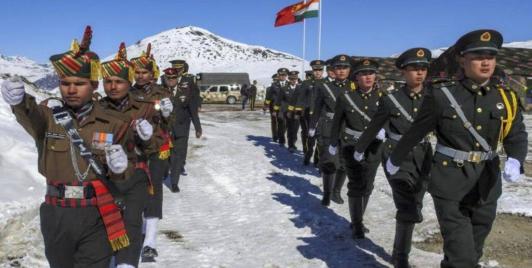
Hopes for Sino-Indian relations centre on a cautious diplomatic thaw, institutionalised border stability and renewed high-level engagement. Indian negotiators and defence planners are well aware that “trust must be verified”. While the activation of these eight points provides valuable channels to prevent an accidental kinetic clash on the ground, the real test of China’s sincerity will not be the joint statements signed in Beijing, but whether it ceases infrastructure build-ups and respects the historical patrolling rights of Indian troops along the LAC.
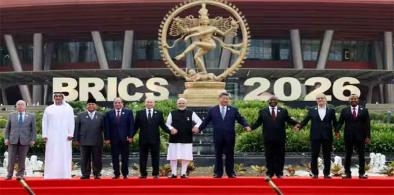
By removing the ‘Indo’ prefix from Indo-Pacific the US implicitly acknowledges that it no longer unilaterally defines the eastern strategic landscape. Regional organisations like BRICS continue to redefine the lexicon of ‘rules-based order’ to insulate themselves from western domination.
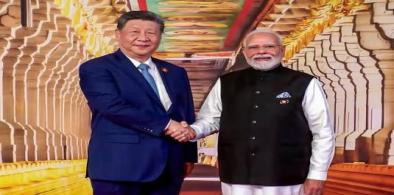
The bilateral discussion between Prime Minister Narendra Modi and Chinese President Xi Jinping on the sidelines of the 18th BRICS Summit indicates surge in mutual ties, particularly by way of trade. However, little can be expected by way of full settlement of the boundary dispute.
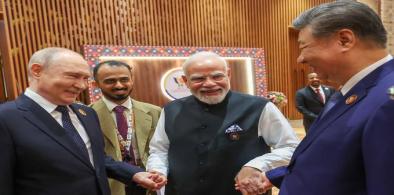
The timing of the EU announcement coincided with the BRICS+ Summit in New Delhi, creating speculation about whether the EU was seeking to reinforce its strategic engagement with India amid the growing influence of the BRICS grouping.

In India, festivals have an interesting blend of representation through dolls, especially during the agricultural season of autumn, writes Dr. Lopamudra Maitra Bajpai for South Asia Monitor
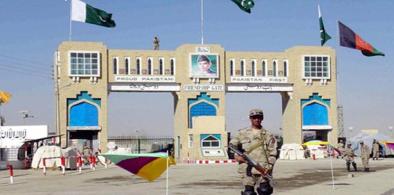
With Pakistan's built-in political dominance of Afghanistan, the economic control can only get stronger, writes Hamayun Khan for South Asia Monitor
Pakistan and India should work together to revive SAARC to maximize regional interests, writes Pathik Hasan for South Asia Monitor

Having adopted hardcore Islam over the years, and using it to enact terrorism as a state policy, the Pakistan government can hardly afford all-out confrontation with the TLP, writes Lt Gen P. C. Katoch (retd.) for South Asia Monitor
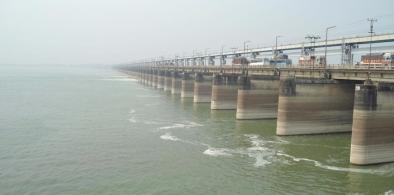
Conclusion of bilateral arrangements on sharing common water resources will banish a constant source of misunderstanding and mutual suspicion between India and Bangladesh, writes Amb Sarvajit Chakravarti (retd) for South Asia Monitor
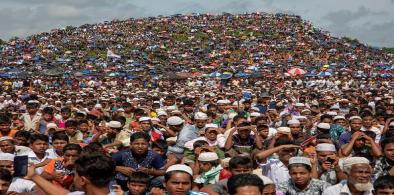
The Rohingya crisis is the result of a long-smoldering problem that may become the catalyst for new sources of conflict in the region, writes Kazi Mohammad Jamshed for South Asia Monitor
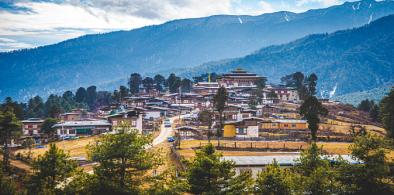
Prime Minister Dasho Lotay Tshering has said that if Bhutan’s infrastructure, economy and trade improves, the country will undoubtedly want to be part of BBIN-MVA, writes Rinchen Kinznag for South Asia Monitor

The Roppur nuclear power plant is expected to be a model of clean energy in Bangladesh and provide affordable, reliable and quality electricity in the long run, writes Pathik Hasan for South Asia Monitor
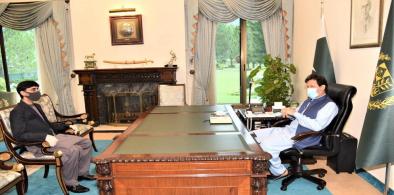
The coming weeks pose a serious challenge to the Pakistani government to deal with the TLP’s threats and increasing pressure, writes Shantanu Mukharji for South Asia Monitor

India's withdrawal from RCEP resulted in India losing out on the opportunity of re-shoring of Japanese investment from China, writes S. Majumder for South Asia Monitor
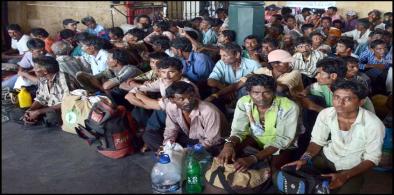
India and Pakistan’s toxic official relations continue to take a human toll and hold South Asia hostage even as the region deals with the crisis of climate change which includes fish migration patterns, writes Beena Sarwar for South Asia Monitor
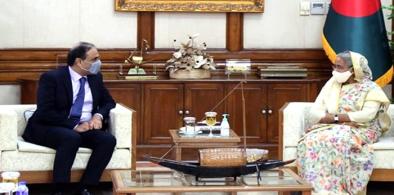
China and Pakistan are always scouring for opportunities by utilizing any kind of strain in Bangladesh-India ties, and would obviously try to exploit the present regional political scenario, writes Pathik Hasan for South Asia Monitor
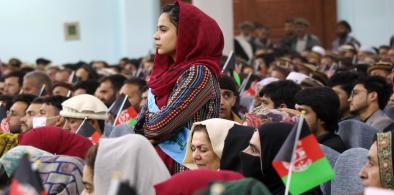
Being oblivious to the history and traditions of Afghanistan, misreading the local culture, or a sickening obsession with 'Islamic terrorism' has always clouded the reality for the West, writes Anondeeta Chakraborty for South Asia Monitor
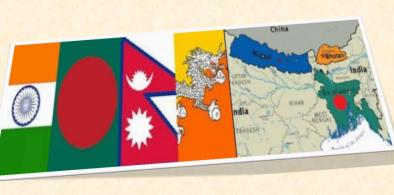
The Bangladesh-Bhutan-India-Nepal (BBIN) sub-regional group has the potential to multiply the prosperity of its members, writes Amb. Sarvajit Chakravarti (retd) for South Asia Monitor

Pakistani analysts say the civil-military 'hybrid arrangement' has been severely dented and mutual mistrust has set in, writes Mahendra Ved for South Asia Monitor