The establishment of a second naval base in Lakshadweep, INS Jatayu is a key part of this strategy. It's a calculated move to counter China's influence in the Indian Ocean Region.


One highlight is VinFast, Vietnam's electric vehicle producer, announcing an investment commitment of US$500 million for a manufacturing plant in Tamil Nadu in south India. The company has also engaged its Indian supply chain with more than 300 local suppliers, aligning with the host country’s domestic industrialization agenda.

Sri Lanka is already seeing signs of higher inflation together with expected slowdown in overall GDP growth during next two years. But the worst impact is going to be gradual shrinking of the middle class and increase in poverty.
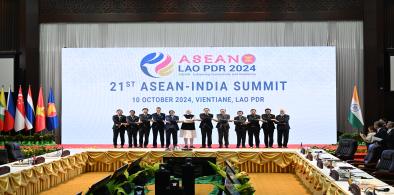
ASEAN–India integration through digitalization is therefore not merely a technical choice. It is a strategy to strengthen competitiveness, expand economic self-reliance, and build a stronger position within the Indo-Pacific economic order.
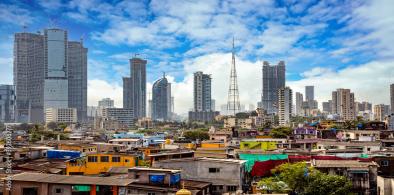
India has demonstrated that economic growth, social transfers and improved access to essential services can substantially reduce extreme deprivation. But the next stage will be considerably more demanding. It requires a different pattern of growth: one that creates productive jobs, raises real wages, increases women's economic independence and distributes the gains from growth more widely
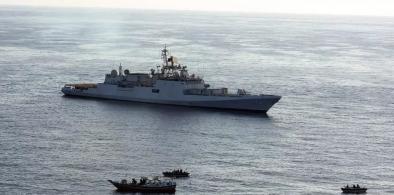
The establishment of a second naval base in Lakshadweep, INS Jatayu is a key part of this strategy. It's a calculated move to counter China's influence in the Indian Ocean Region.
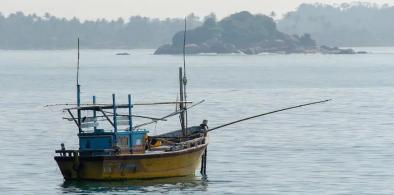
China has tried to set up a hybrid renewable energy system mixed with solar, wind, and other renewables on three islands in the Jaffna Peninsula. It was later cancelled. There is no economic reason for hosting such a project in a place so close to India.
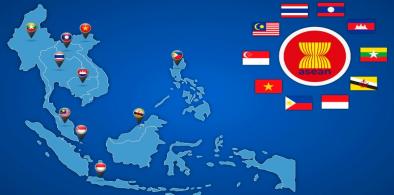
Australia has succeeded in sending a strong message to both ASEAN and China. To ASEAN, Canberra has communicated its commitment both in economic and security terms. The keyword will be a free and open Indo-Pacific, which is in line with the overall security vision of the West.
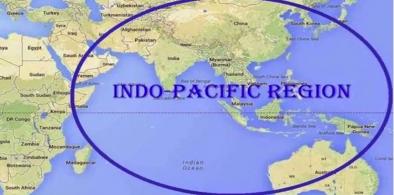
The US meanwhile, remains resilient in its future demographic and economic growth projection and stability, alongside the prospects of India. The so-called rise of China is now reversing, and the perceived decline of the US and the West is not happening.

Among other things, the bill, which is now an act, dismisses as inaccurate the Chinese claim that Tibet has been part of China since ancient times and empowers the State Department to actively counter China’s disinformation about Tibetan history, people and institutions.
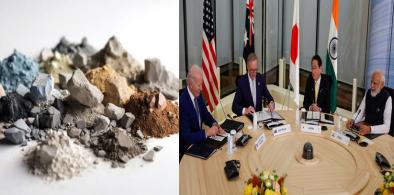
The critical mineral supply chain in the Indo-Pacific is undergoing transformative changes through new deals, reforms, and negotiations facilitated by the strategic partnership of QUAD.

The belligerence by the PLA also exposes the futility of continuing Corps Commander-level military-to-military talks when China has repeatedly indicated there will be no more PLA pullback.

Beijing might still use this election victory for President Tsai as a pretext to increase aggression and to justify that peaceful reunification is a lost cause, portraying the DPP as the cause of increasing cross-Strait tensions.
As traditional geopolitics transforms, with the Gulf regaining centrality in the larger Indo-Pacific arena, India, Japan, and Southeast Asia see their strategic perspectives increasingly converge. The Big-B plan has significant implications for India, Bangladesh's Look East policy, and Thailand's Look West policy.

It would be prudent to establish a joint working mechanism with Myanmar at the diplomatic and military levels for managing the borders - unless we want China to keep winning.
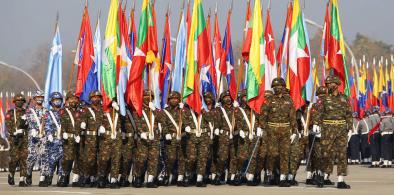
China and Russia have shown their support for Myanmar despite the dire situation there, and their interest in the region is evident by their growing naval presence in the Indian Ocean and Bay of Bengal.
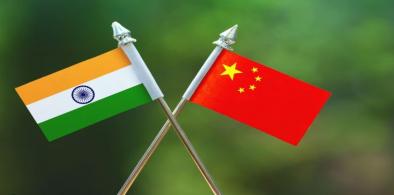
As far as China is concerned, the so-called buffer zones are now a permanent arrangement and it knows India can do precious little about it. That is why China has been saying keep the border issue separate and get on with the bilateral relations.
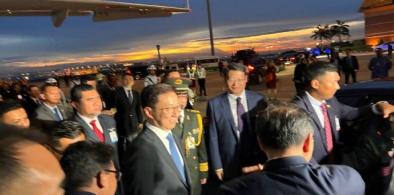
Melaka is also seen as a possible counterbalancing base against potential power presence in the Nicobar Island chain in the Andaman Sea and as a fallback in complementing China's existing forward bases and port capacities in Gwadar in Pakistan and in linking up with the other routes in accessing the Indian Ocean.
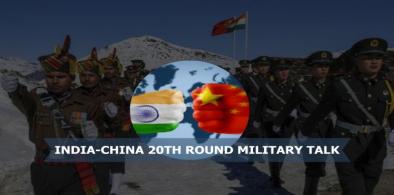
The Indian government has no answer to the question that if we have not lost any territory, then why the 20 rounds of military-to-military talks?
The organisation of the Forum a few kilometres away from the eastern sector of the Line of Actual Control (LAC) not only signalled Beijing’s disregard for the LAC but also its attempt to buttress its claims over Arunachal as part of Tibet (Xizang) by selecting the venue of the international meeting in Nyingchi