Jiya was diagnosed with Autism Spectrum Disorder at the age of two. Jiya’s parents, Indian Navy MC at Arms II Madan Rai and her mother, Rachna Rai, a teacher, took her swimming to overcome taunts for her disorder by other children and even adults.


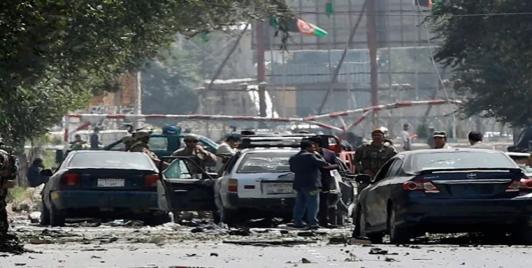
The Taliban may curate the museum. The newsroom must curate the context. Without that context, international television risks giving an extremist movement something it has always sought, not necessarily agreement, but attention; not necessarily legitimacy, but spectacle.
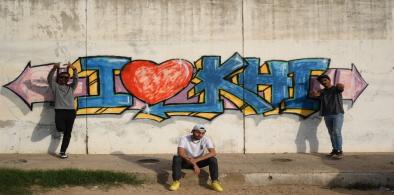
For an Indian audience, the most meaningful response to W.R.A.P. is not the comforting declaration that Indians and Pakistanis are identical. Such a claim can erase real histories and differences as readily as nationalism exaggerates them.
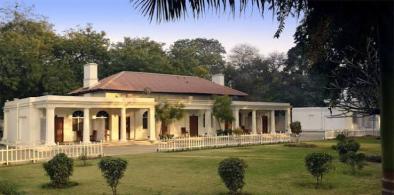
But tearing down a clubhouse will not lower a family's grocery bill or write a line of exportable code. India's chance to close the gap with the economies that outran it will not wait for a hearing date in September, and neither should the country's attention.
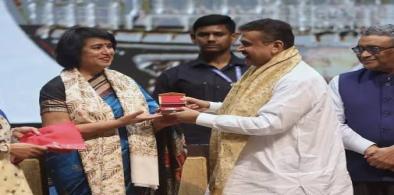
Taslima Nasrin’s homecoming deserves to be welcomed. A writer should be able to return to a city she considers home without fearing violence. The harder test will come when the symbolism fades. Will the government protect her if her criticism becomes inconvenient to the people now celebrating her return?
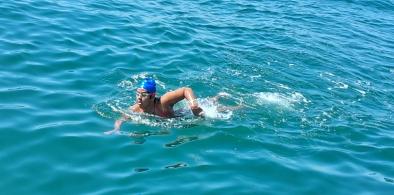
Jiya was diagnosed with Autism Spectrum Disorder at the age of two. Jiya’s parents, Indian Navy MC at Arms II Madan Rai and her mother, Rachna Rai, a teacher, took her swimming to overcome taunts for her disorder by other children and even adults.
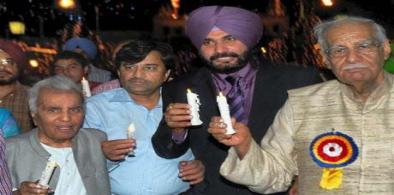
The friendship of javelin throwers Arshad Nadeem of Pakistan and Neeraj Chopra of India and the large-heartedness and nobility of their mothers has already warmed hearts around the region and the world. Another young athlete also holding up flags of both countries expressed similar sentiments.
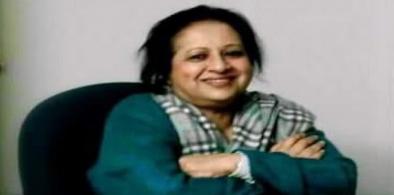
In 2007, she was awarded Pope John Paul II Wellspring of Freedom Award for dedicating her life to upholding human rights and combating injustice.
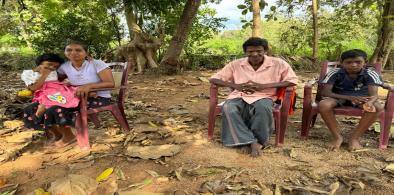
With free education for all between five to 16 years instituted since 1945, Sri Lanka boasts the highest literacy rate, nearly 99 per cent , in the South Asian region.

It is the nature of the human brain that when we go deeper into anything then we all discover the truth and beauty in this world, and this process helps us understand the purpose of our existence and life.
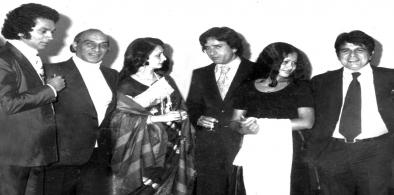
As I heard Ravindra’s colleagues reflect on his life, his work, and his character over time, I couldn’t help reflecting on where Sri Lankan cinema had been and what it could be. In the 1980s and 1990s, and even earlier, Sri Lanka had been a top destination for international productions. Steven Spielberg had come here with Harrison Ford. So had Gregory Peck, William Holden, Elizabeth Taylor, and Bo Derek.
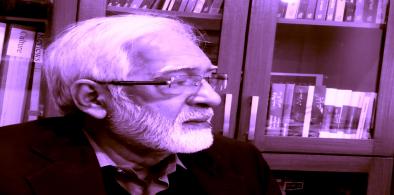
My grandfather’s journey across Wagah is a story I have heard Karamat Sahib narrate many times. As I write, I can hear his raspy voice recount it to me, as he did when I joined him for the immersion of Kuldip Nayar’s ashes.
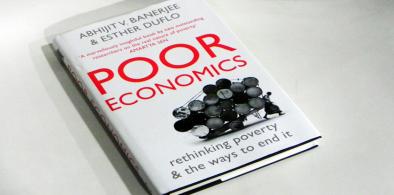
"Poor Economics" serves as a call to action for policymakers, development practitioners, and researchers. By demonstrating the power of small, well-designed interventions, Banerjee and Duflo inspire a more humble and patient approach to fighting poverty.

The high cost of living in capitals like Islamabad and Delhi and the rising summer temperatures due to climate change is increasing alternative energy expenditures. “Who said that renewable energy has to be in the form of big power plants like an elephant?” asks India’s ‘Solar Man’ , Prof. Chetan Solanki.
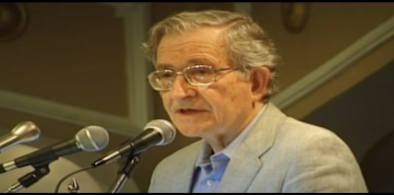
He was unfailingly generous in lending his name in support of the causes I and others reached out to him for, endorsing resolutions ranging from human rights and democracy to peace between India and Pakistan. In 2018 he joined many public intellectuals in urging Bangladesh to release the photojournalist Shahidul Alam. He was also among the public intellectuals including Amartya Sen who endorsed a letter calling on Pakistan to release the jailed publisher-editor of the Jang Group Shakilur Rahman, in 2020.
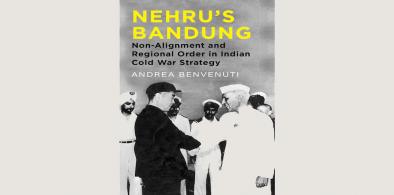
Yet, despite Nehru’s disenchantment with his Afro-Asian partners, there is no denying that China did its best to undermine India’s ascendancy in the developing world and that Indian frustration with its northern neighbour grew all the more resentful because of New Delhi’s role in helping Beijing develop its links with other Afro-Asian nations.
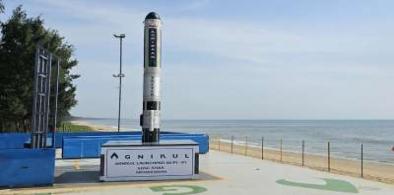
The vision of Agnikul is to bring space within everyone’s reach, aiming to enable launches from anywhere, anytime and affordably.
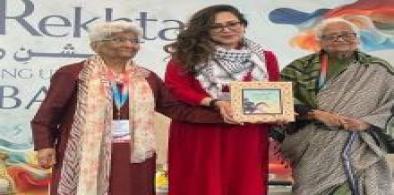
The Joy of Urdu’s focus on linguistic preservation, cultural enrichment, plus promotion of social justice, and positive change through bilingual presentations and discussions helps ensure that the richness of Urdu remains alive in modern times.
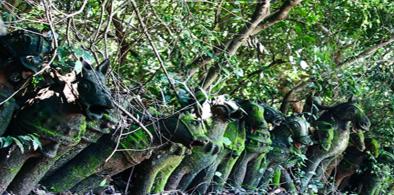
The preservation of sacred trees and tree groves is paramount in the fight against rampant deforestation in India. This is a unique practice that sadly is in decline; in the interest of cleaner air and healthy communities, it needs to be promoted and preserved, not only amongst the Indian population but worldwide.
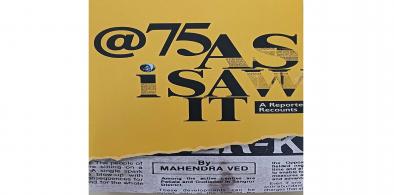
The new influencing geopolitical factor, Ved observes, is the emergence of China as the regional, even global player, in the “Heart of Asia” in what can become the new avatar of the 19th century “Great Game”. The contexts have changed, but not the strategic interests of the players, old and new.