Although it is unrealistic to have too high expectations for Sino-Indian relations in 2021, it is certain that the two sides would not want to make bilateral relations further worse, writes Siwei Liu for South Asia Monitor


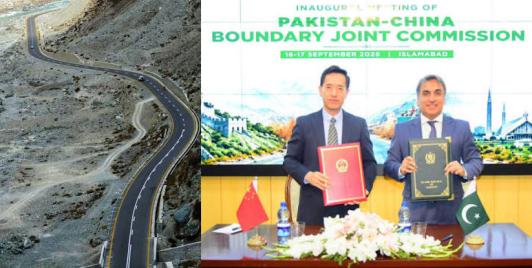
The Pakistan-China Boundary Joint Commission needs to be viewed in backdrop of the fast-changing geopolitics of South Asia and its military implications. The Shaksgam Valley sits immediately north of the Siachen Glacier and just west of Aksai Chin under China's control. By controlling Shaksgam, China can jointly monitor Indian military movements from the north while Pakistan does so from the south.
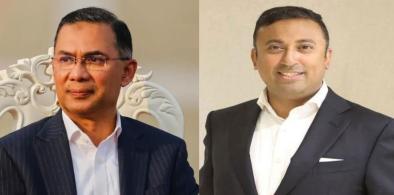
The question, therefore, is not whether Bangladesh could have secured a particular agreement simply by attending. There is no guarantee that participation in a summit automatically produces investment or diplomatic breakthroughs. The question is whether Bangladesh benefited by being absent.
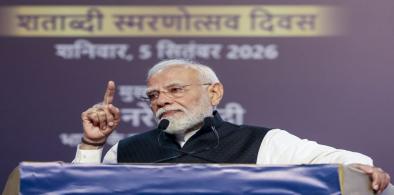
For China to achieve its hegemonic ambitions in Asia, weakening democracies is essential. India, therefore, stands as an iron wall against illiberal encroachments, positioning itself as both a regional hegemon and a defender of democratic order.
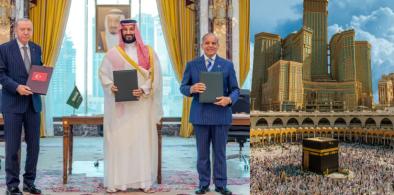
The Mecca Pact, barely a month old, has already been discredited. Its authenticity is in question, its efficacy doubtful. The very notion of an “Islamic Nato” has been exposed as a mirage. Collective defence requires not just declarations but capabilities, coordination and political will. None of these are evident in the pact’s functioning.
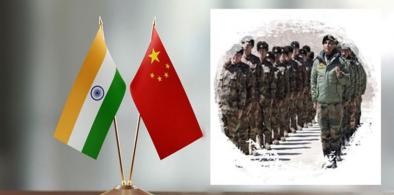
Although it is unrealistic to have too high expectations for Sino-Indian relations in 2021, it is certain that the two sides would not want to make bilateral relations further worse, writes Siwei Liu for South Asia Monitor
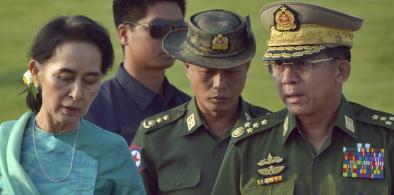
The army is upset with the NLD government for agreeing to take back from Bangladesh the Rohingya Muslim refugees in phases after a Chinese-mediated dialogue. Nearly 40,000 Rohingyas are expected to return in the first phase, writes Subir Bhaumik for South Asia Monitor
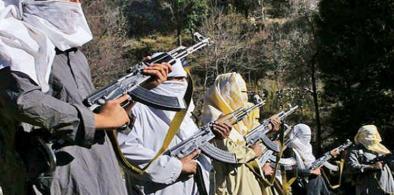
Biden needs to go through all the wrong decisions made by Trump and come out with valuable and healthy steps to maintain democracy in Afghanistan and to respect the blood its soldiers had shed, and end the war, writes Majidullah Rasooli for South Asia Monitor
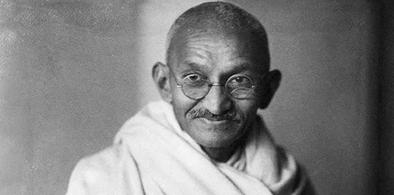
Gandhiji had a presence. That is a mark of a great soul and a very much evolved spiritual being. To Gandhiji spirituality came first; other things like politics, public life, etc. were by-products of his spirituality, writes Anil K Rajvanshi for South Asia Monitor
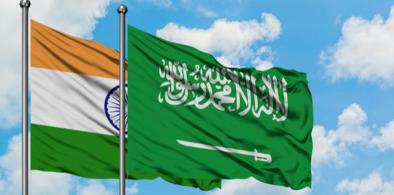
The contributions made by the Indian community in the development of Saudi Arabia have always been appreciated by the Saudi government. Keeping in view the contribution of expat Indians, the Saudi government, irrespective of their religion, treats every expat Indian equally like its own citizen, writes Asif Rameez Daudi for South Asia Monitor
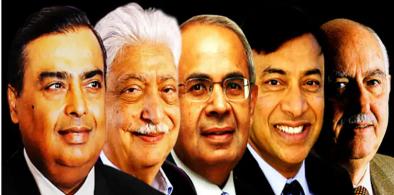
The massive and growing concentration of incomes is not good news for India's fragile social fabric as it can trigger a political backlash, writes N. Chandra Mohan for South Asia Monitor

In South Asia, while digitalisation is of a high priority intervention, the other more basic issues such as enabling access to livelihood, health and education would need to be addressed and given a much higher priority so that inequalities in per capita consumption expenditure that prevail among households are addressed immediately, writes Partha Pratim Mitra for South Asia Monitor

India has a longer track record of supplying medicines and vaccines to the rest of the world, than any other country, including China, writes Rajendra Shende for South Asia Monitor
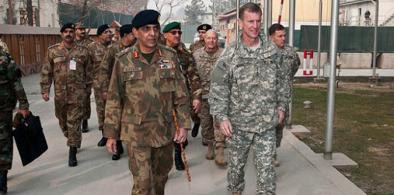
The US under Biden is all set to revive military ties with Islamabad hoping that Pakistan will help bring peace in Afghanistan. America has obviously not learned any lessons over the decades, writes Lt Gen Prakash Katoch (retd) for South Asia Monitor
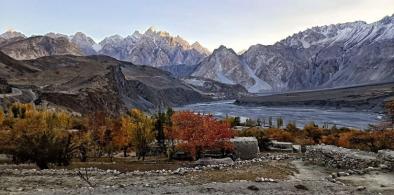
Pakistan so far has given limited autonomy to the local population after having wrested G-B after the accession. But it now wants to declare it as a provisional province of the country, writes Pushp Saraf for South Asia Monitor
By 2025, Bangladesh is forecast to be the 34th largest economy in the world and will continue at second place in South Asia after India, writes Mohammad Rubel for South Asia Monitor

If India were to write out a defence industrial policy it may read as follows: 'to establish and foster a strong indigenous helicopter industry with the design and production capacity to cater to all in-country military requirements and bid for export military and civil markets'. writes Rear Admiral Sudhir Pillai (retd) for South Asia Monitor
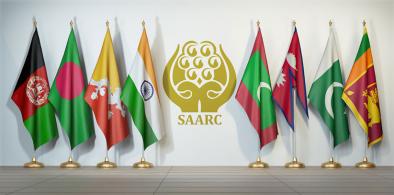
With SAARC stalled, India must prioritize regional and sub-regional alternatives to recalibrate its neighborhood strategy and its overall foreign policy, writes Don McLain Gill for South Asia Monitor
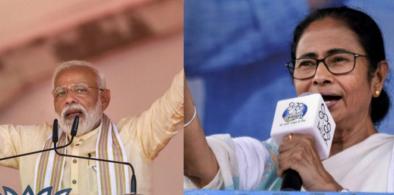
The rapid growth of the BJP in West Bengal since the 2014 parliamentary elections can unquestionably be seen as a turning point in the state's turbulent politics, writes Asif Rameez Daudi for South Asia Monitor
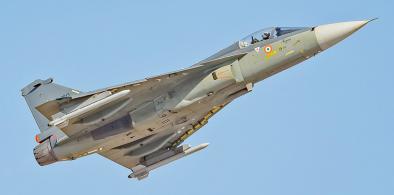
The most crucial justification for acquiring home-grown and home-built hardware is the military’s expectation that overhaul and replacement of parts, as well as repair of battle damage will be undertaken by the domestic industry in a most expeditious manner, writes Admiral Arun Prakash (retd) for South Asia Monitor