This is a defining moment in the history of India and its actions could well dictate its standing in the world, writes Lt Gen PR Kumar (retd) for South Asia Monitor


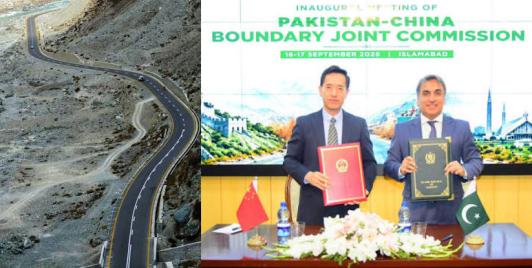
The Pakistan-China Boundary Joint Commission needs to be viewed in backdrop of the fast-changing geopolitics of South Asia and its military implications. The Shaksgam Valley sits immediately north of the Siachen Glacier and just west of Aksai Chin under China's control. By controlling Shaksgam, China can jointly monitor Indian military movements from the north while Pakistan does so from the south.

The question, therefore, is not whether Bangladesh could have secured a particular agreement simply by attending. There is no guarantee that participation in a summit automatically produces investment or diplomatic breakthroughs. The question is whether Bangladesh benefited by being absent.
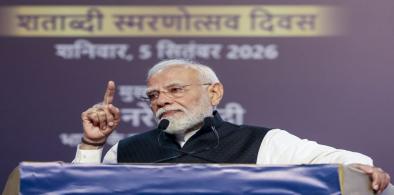
For China to achieve its hegemonic ambitions in Asia, weakening democracies is essential. India, therefore, stands as an iron wall against illiberal encroachments, positioning itself as both a regional hegemon and a defender of democratic order.
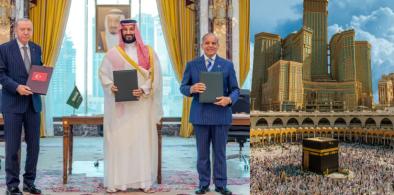
The Mecca Pact, barely a month old, has already been discredited. Its authenticity is in question, its efficacy doubtful. The very notion of an “Islamic Nato” has been exposed as a mirage. Collective defence requires not just declarations but capabilities, coordination and political will. None of these are evident in the pact’s functioning.
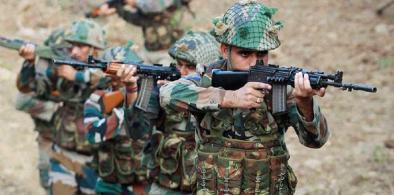
This is a defining moment in the history of India and its actions could well dictate its standing in the world, writes Lt Gen PR Kumar (retd) for South Asia Monitor
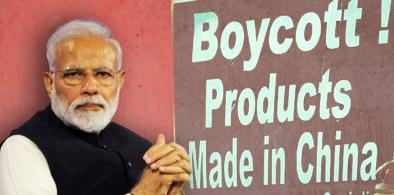
Can orchestrated symbolism of smashing Chinese TVs create a mass movement when no domestic alternatives are available to our extremely price-sensitive consumers? writes Brig Deepak Sethi (retd) for South Asia Monitor
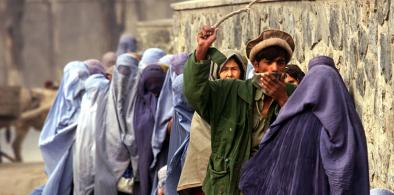
The February 29, 2020 deal between the US and the Taliban could pave the way for a peace that Afghans urgently pursue. But, then again there are huge risks for women’s rights in this process, as the Taliban remain deeply misogynistic, writes Dr. Sanchita Bhattacharya for South Asia Monitor
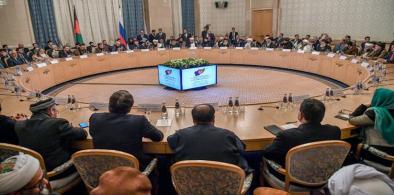
There are reports that the US will withdraw its forces from Afghanistan before the timeline. This will have bad consequences for the security of Afghanistan, the region, and the world, writes Mohamad Mosa Ahmadzai for South Asia Monitor
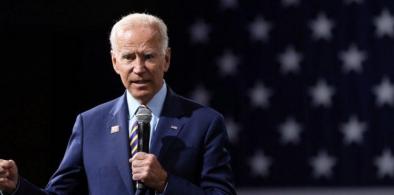
Of an estimated 3.5 million-plus Indian American community, about 70 percent are said to be the vote bank of Democrats, a number that the Biden campaign would not want to trifle with, writes Dr. Sridhar Krishnaswami for South Asia Monitor

Cross-border marriages, i.e., matrimony between Nepal's son/daughter and India’s son/daughter are very common in India's bordering districts of Uttar Pradesh and Bihar, writes Jivesh Jha for South Asia Monitor
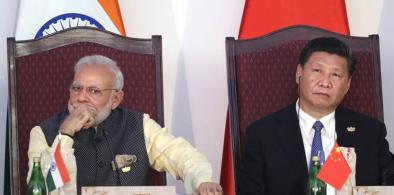
India needs to consolidate its relationship with the immediate neighbors by resolving the pending issues, particularly, the issue of immigration with Bangladesh and territorial disputes with Nepal, writes Dr. Arshad for South Asia Monitor

There has to be enough focus on the protection of children from sexual abuse and parents, guardians, teachers and all those who are stakeholders in children’s welfare should be really aware of this aspect to ensure a safe and healthy childhood for our children during this time of coronavirus pandemic, writes Sonal Kellogg for South Asia Monitor

With Pakistan becoming the vassal state of China, China plans to extend the China-Pakistan Economic Corridor into Afghanistan, writes Lt Gen P. C. Katoch (Retd) for South Asia Monitor
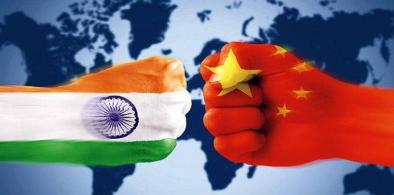
Let us accept this fact that India and China are potential rivals in the power hierarchy in South Asia and outside, writes Aneek Chatterjee for South Asia Monitor
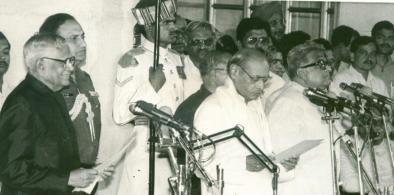
Rao qualifies in more ways than one to be conferred with the nation's highest civilian award, the Bharat Ratna, which has become a political reward in recent years, writes C Uday Bhaskar for South Asia Monitor

With deep societal, cultural, and religious links with our South Asian neighbors, the links and legacy coupled with the reach and charisma of Bollywood could be a win-win combination for regional collaboration in the art and craft of film making, if appropriated thoughtfully and strategically, writes Ram Krishna Sinha for South Asia Monitor
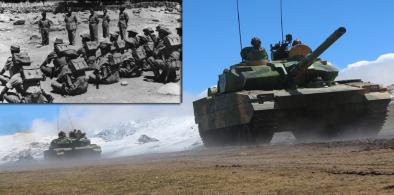
In the current scenario, although India being a peaceful country does not want war with anyone, especially with China, India has developed infrastructure at the borders, strengthened its defence forces and has strategic relations with several countries, writes Jai Kumar Verma for South Asia Monitor
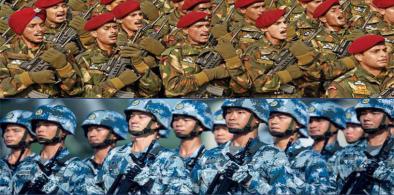
India's armed forces need to transform itself to deter and if necessary fight and win a two-front war, and ensure that both China and Pakistan will bear the consequences of military and national embarrassment, writes Lt Gen PR Kumar (retd) for South Asia Monitor
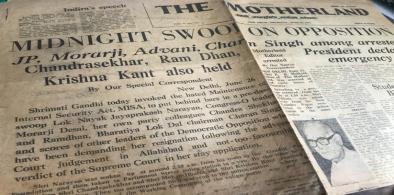
That fateful March 1977 election vindicated Indian democratic traditions and proved the triumph of freedom over bread, writes Tarun Basu for South Asia Monitor