Some of the decisions by the CC have resulted in a major tussle between the Council and the Executive in Sri Lanka, writes Sugeeswara Senadhira for South Asia Monitor


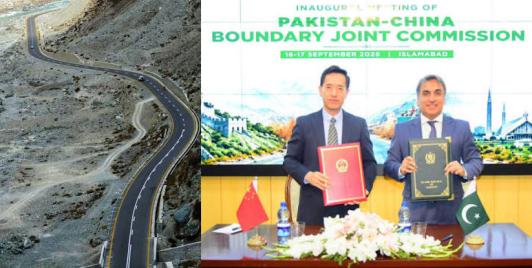
The Pakistan-China Boundary Joint Commission needs to be viewed in backdrop of the fast-changing geopolitics of South Asia and its military implications. The Shaksgam Valley sits immediately north of the Siachen Glacier and just west of Aksai Chin under China's control. By controlling Shaksgam, China can jointly monitor Indian military movements from the north while Pakistan does so from the south.
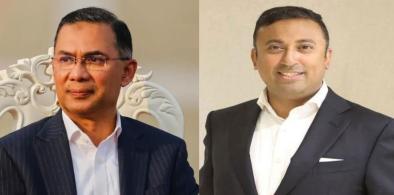
The question, therefore, is not whether Bangladesh could have secured a particular agreement simply by attending. There is no guarantee that participation in a summit automatically produces investment or diplomatic breakthroughs. The question is whether Bangladesh benefited by being absent.
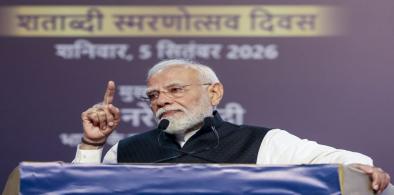
For China to achieve its hegemonic ambitions in Asia, weakening democracies is essential. India, therefore, stands as an iron wall against illiberal encroachments, positioning itself as both a regional hegemon and a defender of democratic order.
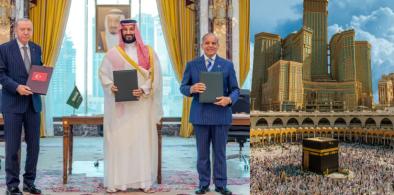
The Mecca Pact, barely a month old, has already been discredited. Its authenticity is in question, its efficacy doubtful. The very notion of an “Islamic Nato” has been exposed as a mirage. Collective defence requires not just declarations but capabilities, coordination and political will. None of these are evident in the pact’s functioning.
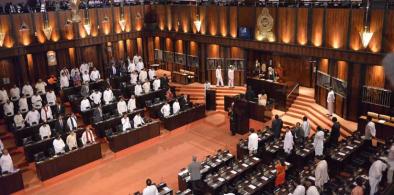
Some of the decisions by the CC have resulted in a major tussle between the Council and the Executive in Sri Lanka, writes Sugeeswara Senadhira for South Asia Monitor
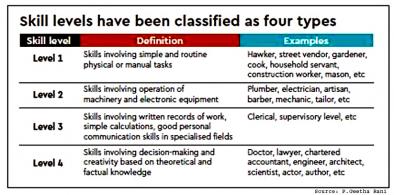
Devising a strategy to help close the digital skills gap should be a key focus for all businesses during the next decade and beyond, writes Partha Pratim Mitra for South Asia Monitor

A common thread that runs through them is of COVID-19 taking the back seat in the plans and actions of various stakeholders in the AfPak region working at cross-purposes, writes Mahendra Ved for South Asia Monitor
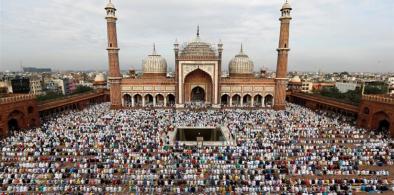
There is growing realization within the government and diplomatic community that India stands to lose a great deal in allowing Islamophobia to spread within India and among Indians abroad and some nimble diplomacy is required to change perceptions, writes Nilova Roy Chaudhury for South Asia Monitor

Indian pharma’s soft power has, no doubt, opened up possibilities for foreign policy in the neighbourhood, writes N Chandra Mohan for South Asia Monitor
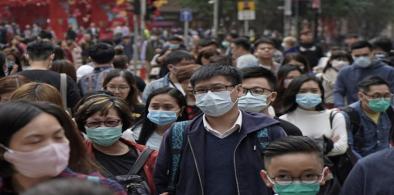
The terrific trio of Modi, Macron and XI should meet over videoconference and announce WAVE. They have the capability and potential to make history, writes Rajendra Shende for South Asia Monitor
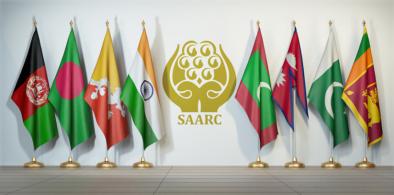
What really jumps up from the plethora of information floating around is the lack of preparedness and lack of governmental attention to health care, especially in the overcrowded South Asian region, writes Sreeradha Datta for South Asia Monitor
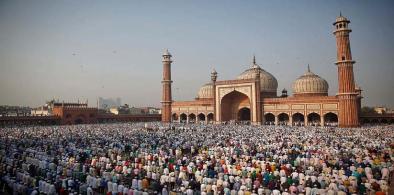
Irrespective of whether they succeed in convincing the foreigners, the reactions in India to the minister’s assertion will range from amusement to derision, writes Amulya Ganguli for South Asia Monitor
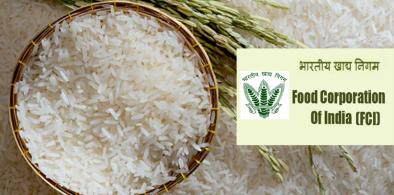
This abundant food-in-the-granary exigency will unfold even as a large number of Indians are grappling with hunger pangs and are stuck in varying degrees of deprivation, writes C Uday Bhaskar for South Asia Monitor
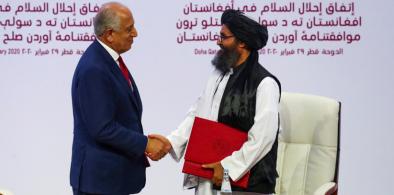
The wider consequences of the agreement between the US and Taliban remain ambiguous, writes Iqbal Dawari for South Asia Monitor
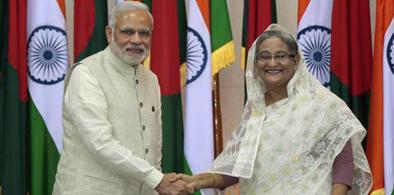
The Indian government’s decision to pass and enact, in December 2019, the Citizenship Amendment Act, naming Bangladesh as a country where minorities are persecuted, had an extremely negative fallout in that country, writes Nilova Roy Chaudhury for South Asia Monitor
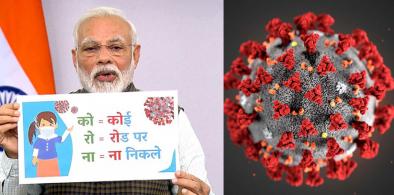
India is poised for an all-out war and, like in any war, this is not the time for partisanship. It’s in this scenario that Modi will find himself at a fork in the road, writes E.D. Mathew for South Asia Monitor
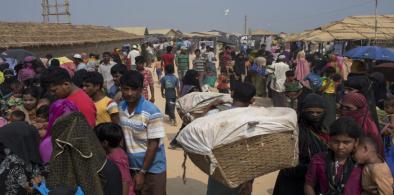
Indeed, if anyone is serious about the plight of the Rohingyas and is looking for sustainable solutions to the crisis, then the person ought to put her gaze not on Bangladesh but on Myanmar, writes Imtiaz Ahmed for South Asia Monitor
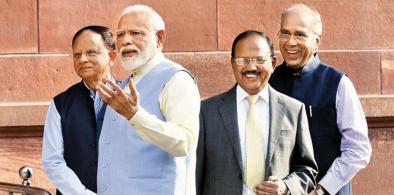
When the first COVID-19 case came to public notice in India in January this year, questions in concerned quarters have been raised as to why did it take almost two months to prepare for lockdown and that too with a notice of a few hours to leave many citizens unprepared and more so the migrant and the poor, writes Partha Pratim Mitra for South Asia Monitor
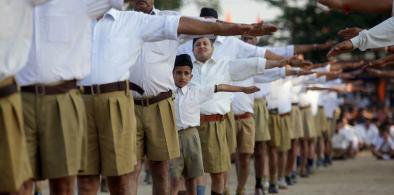
RSS remains quite optimistic about the way the new world order is going to pan out post-COVID-19. It feels that it is the beginning of a new golden era for India, writes Arun Anand for South Asia Monitor